At a glance: Book Blue Lagoon weeks or months in advance. Shower thoroughly before entering any pool, as Icelandic bathing culture requires it. Natural springs vary from warm to scalding. Always test before entering. Highland springs are accessible only in summer.
Few experiences capture the essence of Iceland like soaking in geothermal water while surrounded by dramatic landscapes. With over 200 hot springs scattered across the country, options range from luxurious world-class spas to wild, free natural pools hidden in remote valleys.
Premium Spas
1. Bláa Lónið (Blue Lagoon)
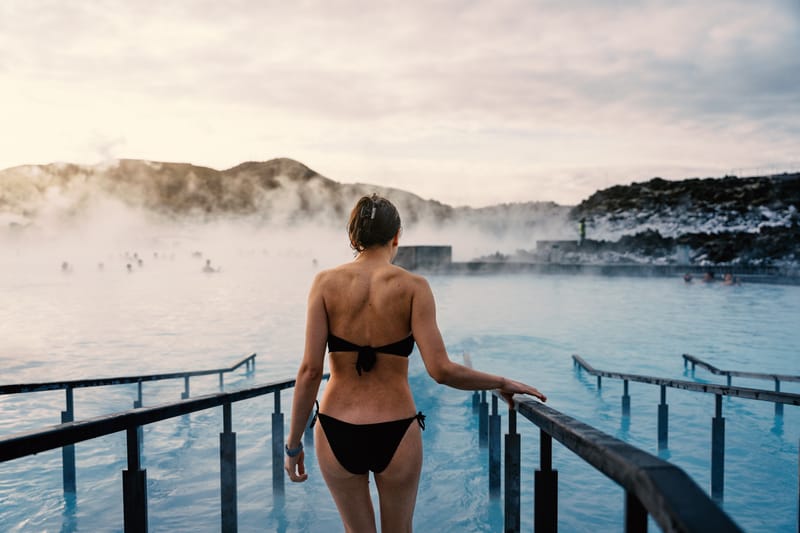
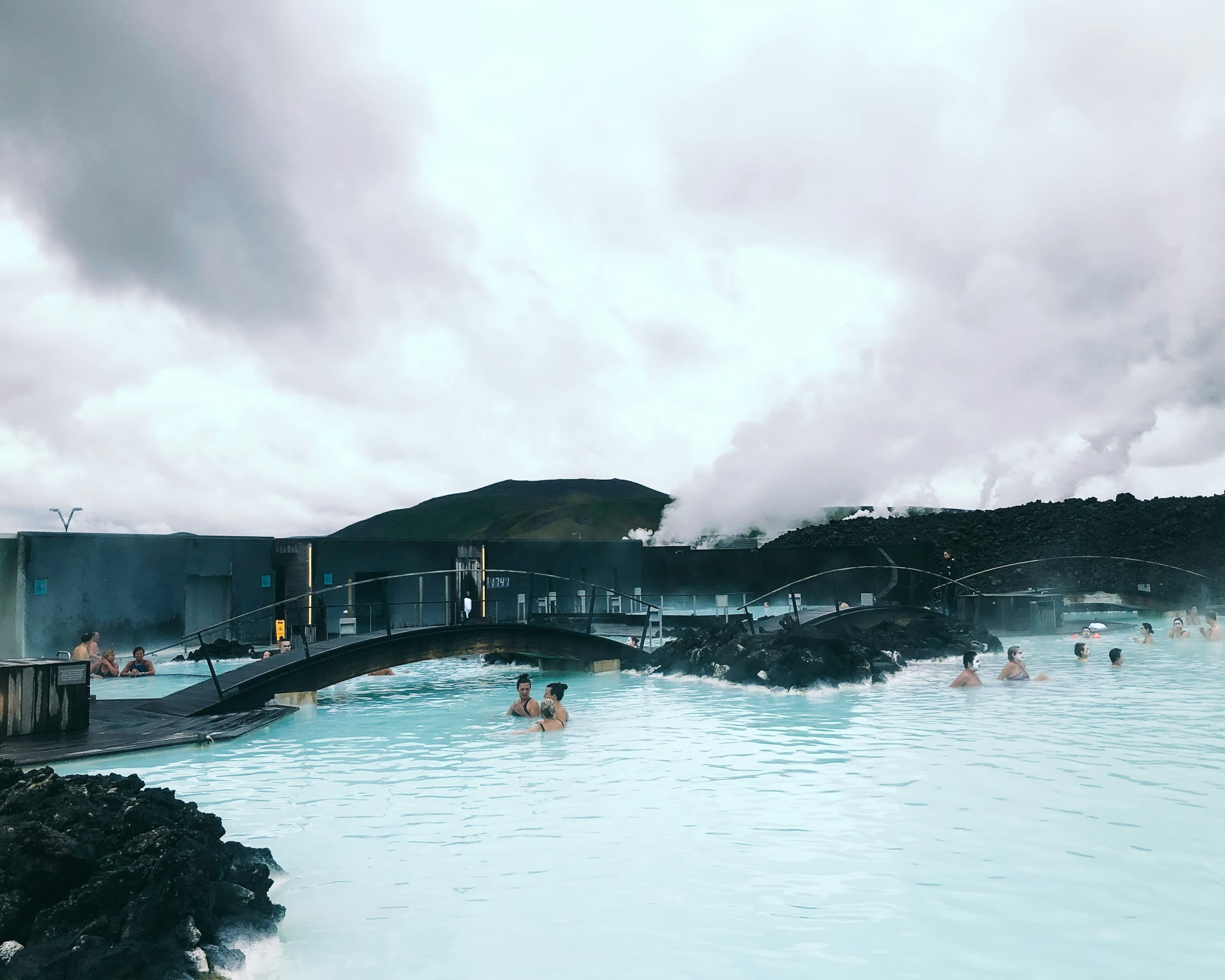
Blue Lagoon needs little introduction. The milky-blue waters, rich in silica and minerals, sit amid a stark black lava field on the Reykjanes Peninsula, 45 minutes from Reykjavík. The lagoon offers in-water massages, silica mud masks, and a swim-up bar. Book well in advance, weeks or months for peak season. Weekday mornings see fewer crowds. The Retreat at Blue Lagoon offers an exclusive luxury experience for those seeking something beyond the main lagoon.
2. Sky Lagoon
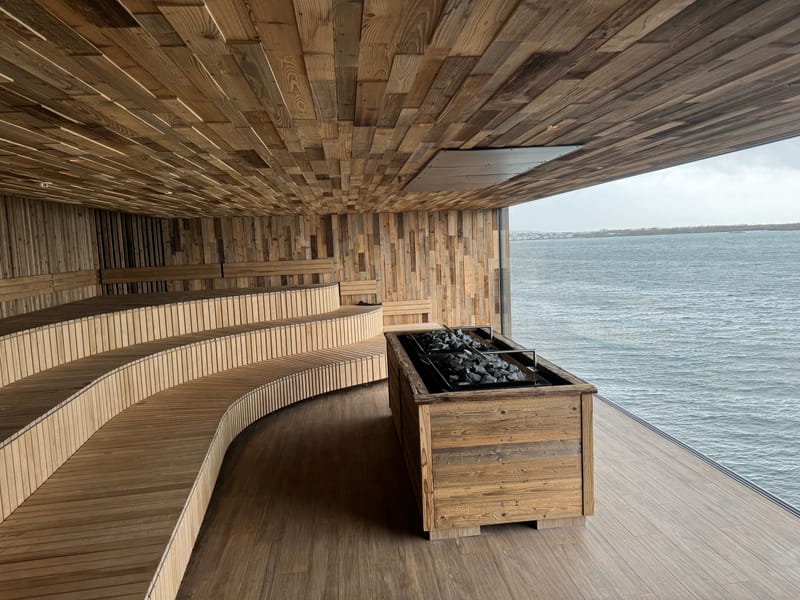
Sky Lagoon opened in 2021, bringing geothermal bathing to the capital area with views of the ocean. Located just 15 minutes from downtown Reykjavík in Kópavogur, the infinity edge creates the illusion of the pool merging with the North Atlantic. Their signature Skjol ritual combines seven steps inspired by Icelandic bathing traditions: lagoon soaking, cold plunge, sauna, fog mist, scrub, steam, and shower. The experience feels less touristy than Blue Lagoon while still offering polished facilities.
3. Hvammsvik
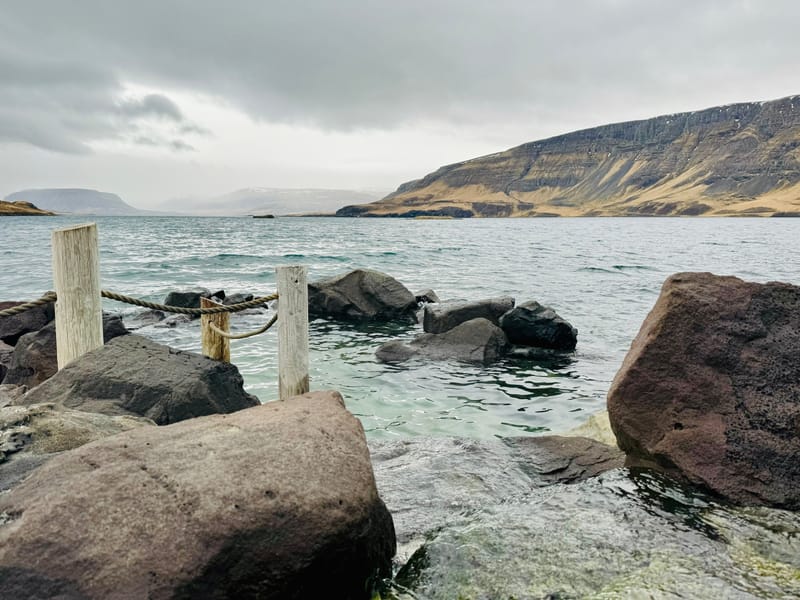
Hvammsvik Hot Springs sits in Hvalfjörður, an hour from Reykjavík. Eight natural ocean-side hot pots offer an intimate, nature-focused experience. The pools have different temperatures, and the seawater mix creates unique mineral content. The fjord setting is notable.
4. Forest Lagoon
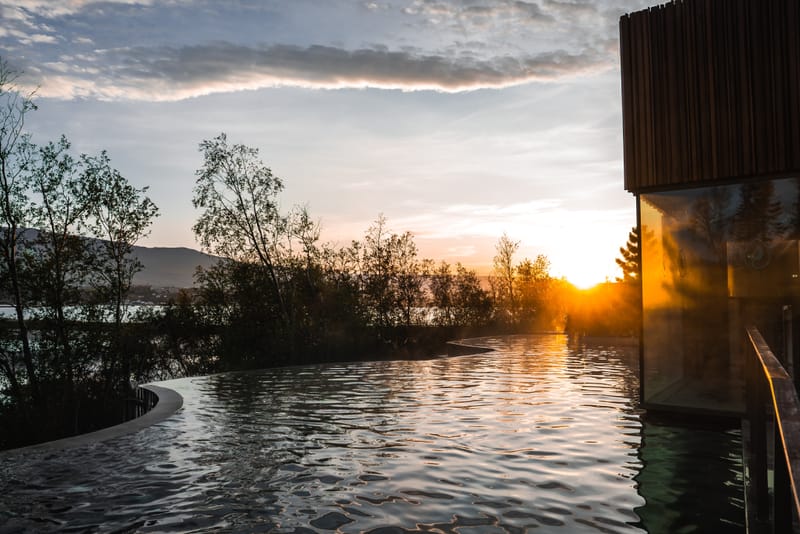
Forest Lagoon near Akureyri offers geothermal bathing surrounded by the birch and pine trees of Vaðlaskógur forest. Just five minutes from Iceland’s northern capital, the facility overlooks Eyjafjörður, one of Iceland’s longest fjords. The large pool features swim-up bars, while a smaller hot pot reaches 40°C for those wanting more heat. A Finnish sauna with panoramic mountain views and a cold plunge pool complete the experience.
5. GeoSea
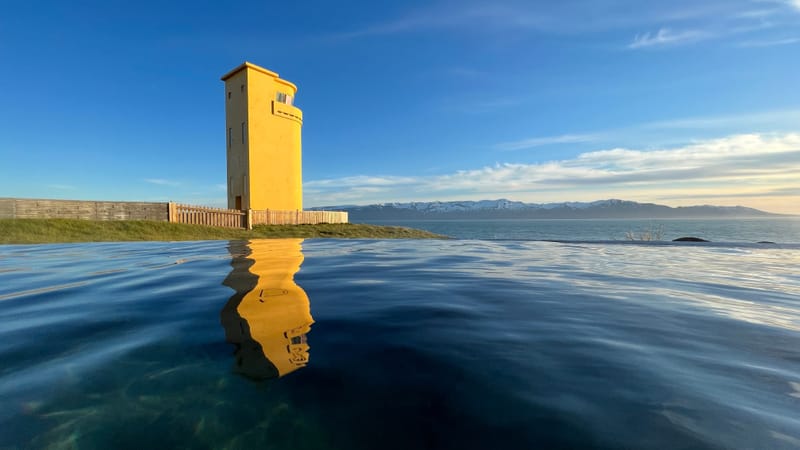
GeoSea in Húsavík perches on a clifftop overlooking Skjálfandi Bay, making it the perfect complement to whale watching. The infinity pools use geothermally heated seawater. On lucky days, you might spot whales from the water.
6. Fontana
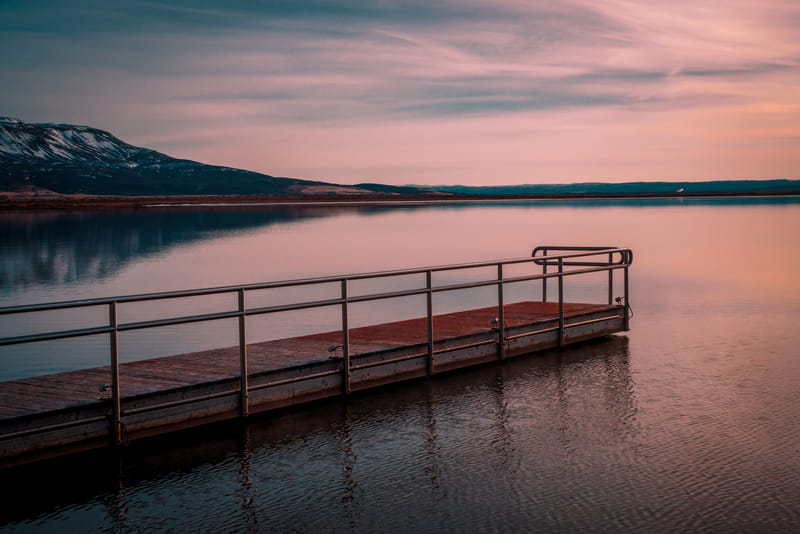
Fontana Geothermal Baths at Laugarvatn on the Golden Circle features steam rooms built over natural hot springs. The steam literally rises through the floor. The lakeside pools and traditional Icelandic bread baked in the hot sand make this a unique cultural experience.
Natural Hot Springs
1. Reykjadalur (Steam Valley)
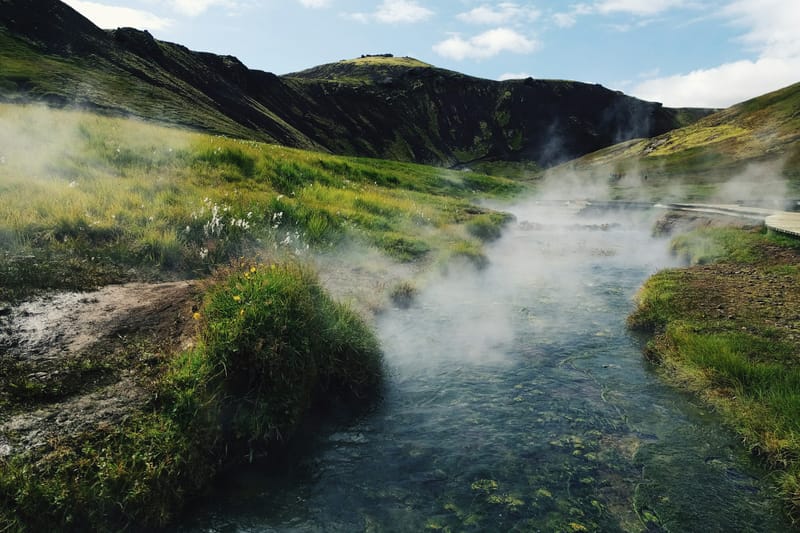
Reykjadalur near Hveragerði, 45 minutes from Reykjavík, offers one of Iceland’s most rewarding accessible hot spring experiences. A 45-minute hike through a steaming valley leads to a geothermally heated river where you can find your perfect temperature by moving upstream or downstream. Bring your own towel and be prepared for changing in the open.
2. Landmannalaugar
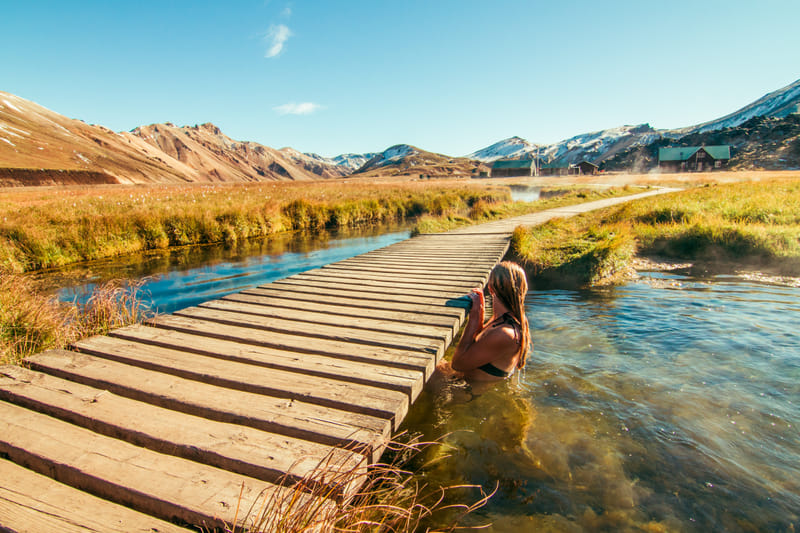
Landmannalaugar in the Highland Interior is accessible only by 4x4 from June through September. The natural hot spring sits amid rhyolite mountains painted in colors from pink to yellow. Combine bathing with hiking the famous Laugavegur trail or exploring the surrounding geothermal landscapes.
3. Seljavallalaug
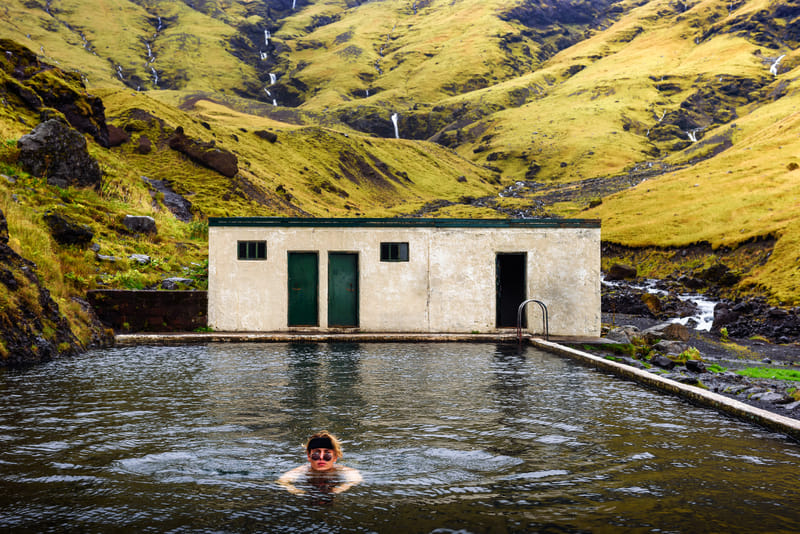
Seljavallalaug near Seljalandsfoss was built in 1923, making it one of Iceland’s oldest swimming pools. The 15-minute hike leads to a pool nestled at the base of a mountain. The temperature varies, sometimes disappointingly cool, and facilities are basic, but the setting makes it worthwhile.
4. Hrunalaug
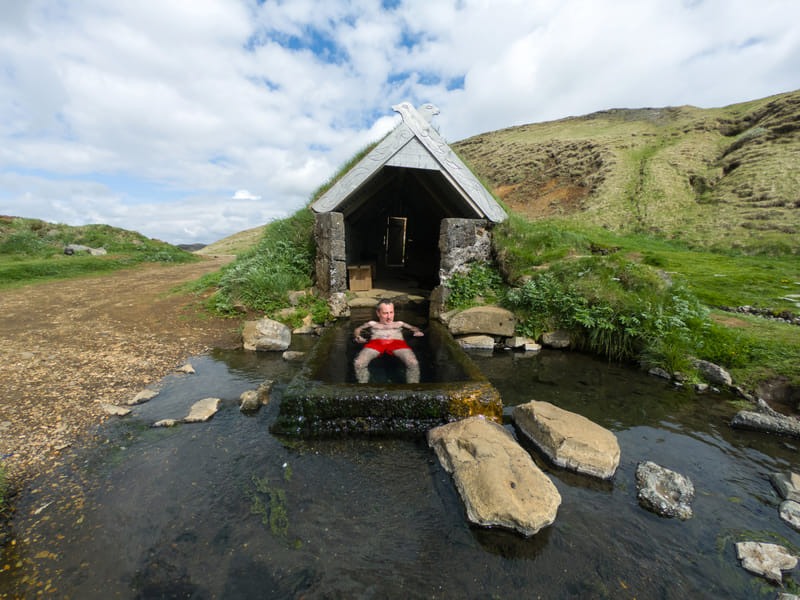
Hrunalaug near Flúðir is a small, intimate hot pot on private land with a donation box. The stone-lined pool accommodates only a few people. Visit early or late to increase chances of having it to yourself.
5. Hellulaug
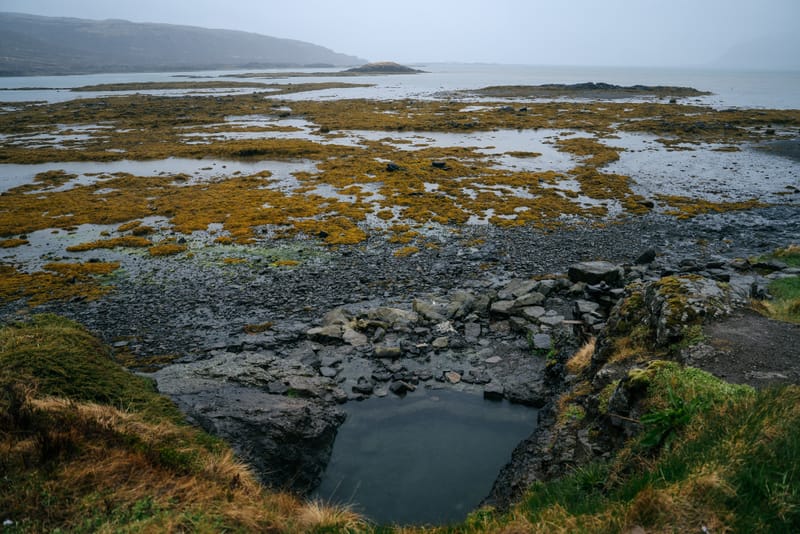
Hellulaug in the remote Westfjords offers beachside soaking with views across the fjord. Best combined with a Westfjords road trip. The journey itself is worth the effort.
6. Remote Springs
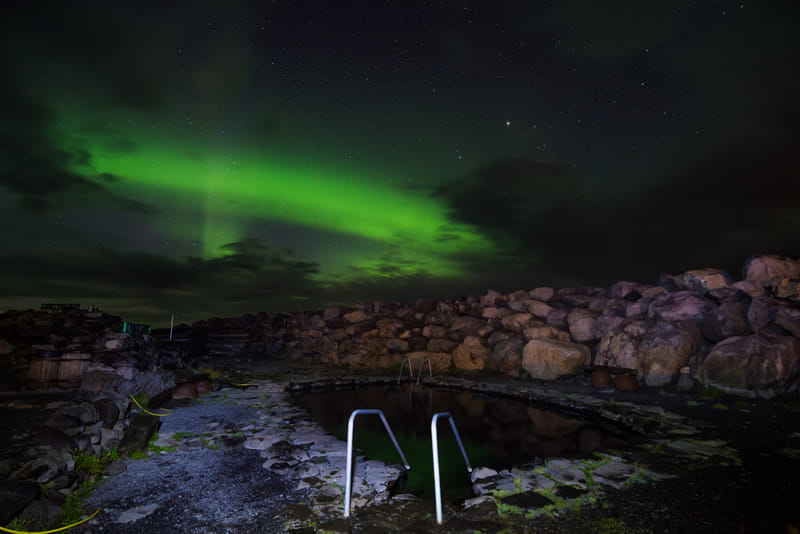
For those willing to work harder, Strútslaug requires a 4x4 and a hike to reach a hidden highland pool surrounded by mountains. Grettislaug, named after the saga hero Grettir the Strong, sits on the Skagafjörður coast with views of Drangey island. Pollurinn in the Westfjords village of Tálknafjörður is a wonderfully hot oceanside pool, free to use with changing facilities.
Etiquette and Practical Matters
Icelandic hot spring culture requires showering thoroughly before entering. This applies to both public pools and natural springs. At natural springs:
- Don’t use soap or shampoo
- Pack out all trash
- Don’t disturb vegetation
- Keep noise respectful
For natural springs, bring:
- Towel
- Swimsuit
- Warm layers for changing
- Water and snacks
Always test temperature before entering fully. Natural springs vary from warm to scalding. Some natural hot springs are on private land. Look for donation boxes and respect any signage.
Premium spas operate year-round. Summer requires advance booking at popular venues. Fall often has good availability. Winter brings the extraordinary combination of hot water and cold air, sometimes with Northern Lights overhead. Spring is often less crowded.
Natural spring access varies. Summer provides excellent access to highland pools. Fall remains good though conditions require checking. Winter limits access to most natural springs outside developed facilities. Highland routes open gradually in spring.
Pricing and Booking
Premium spa pricing (approximate, as of 2025):
| Spa | Standard Entry | Premium Package | Booking Lead Time |
|---|---|---|---|
| Blue Lagoon | ISK 9,990 (~$70) | ISK 15,990-79,990 | 2-8 weeks ahead |
| Sky Lagoon | ISK 7,990 (~$55) | ISK 11,990 | 1-2 weeks ahead |
| Hvammsvik | ISK 6,500 (~$45) | ISK 9,500 | 3-5 days ahead |
| Forest Lagoon | ISK 5,990 (~$42) | ISK 9,990 | 3-5 days ahead |
| GeoSea | ISK 5,290 (~$37) | ISK 7,500 | 1-3 days ahead |
| Fontana | ISK 5,500 (~$38) | N/A | Same day possible |
Natural hot springs are free, though some on private land request donations (ISK 500-1,000).
Accessibility
Blue Lagoon: Fully accessible with wheelchair ramps, accessible changing facilities, and waterproof wheelchairs available for use in the lagoon. Staff trained to assist visitors with mobility needs.
Sky Lagoon: Wheelchair accessible throughout with elevator access to all levels. Accessible changing rooms and showers. Water wheelchairs available upon request.
Hvammsvik: Limited accessibility due to natural terrain. Some pools accessible via wooden boardwalks, but uneven surfaces make wheelchair access challenging.
Forest Lagoon: Fully accessible with ramps and accessible changing facilities. The main pool has gradual entry suitable for mobility-impaired visitors.
GeoSea: Accessible facilities including ramps and accessible changing rooms. Infinity pools have stairs for entry with handrails.
Fontana: Accessible changing rooms and main pool area. Steam rooms may have limited access.
Natural springs: Most natural hot springs are not wheelchair accessible. Reykjadalur requires a 45-minute hike over uneven terrain. Seljavallalaug involves a 15-minute walk on rough ground. Landmannalaugar requires 4x4 access and walking on volcanic terrain.
Photography Tips
Best times: Early morning (before 9 AM) and evening (after 7 PM in summer) offer the best light and fewest crowds. Winter provides dramatic contrast between steam and cold air.
Blue Lagoon: Photography allowed in public areas. The contrast of milky blue water against black lava works best in overcast conditions to avoid harsh reflections. Sunrise and sunset create golden tones on the steam.
Sky Lagoon: The infinity edge photographs best at golden hour when the ocean horizon glows. Evening visits allow Northern Lights photography in winter.
Natural springs: Steam rises most dramatically in cold weather, creating atmospheric images. Bring a lens cloth as moisture accumulates quickly. Waterproof camera bags essential if photographing from the water.
Gear protection: Keep cameras in sealed bags when not shooting. Geothermal areas produce sulfur and moisture that can damage electronics. Clean lenses frequently.
Contact us to include the right hot spring experiences in your Iceland itinerary.