At a glance: Highland trails open late June to early September. Book mountain huts months in advance for Laugavegur. Always check weather at vedur.is and file plans at safetravel.is. Never underestimate river crossings.
Iceland’s landscapes offer some of the world’s most spectacular hiking. Highland trails wind through rhyolite mountains painted in stunning colours that seem unreal. Coastal paths trace dramatic sea cliffs. Volcanic deserts give way to green valleys. Whether you want a challenging multi-day trek or an accessible afternoon walk, the options are varied.
Multi-Day Treks
1. Laugavegur
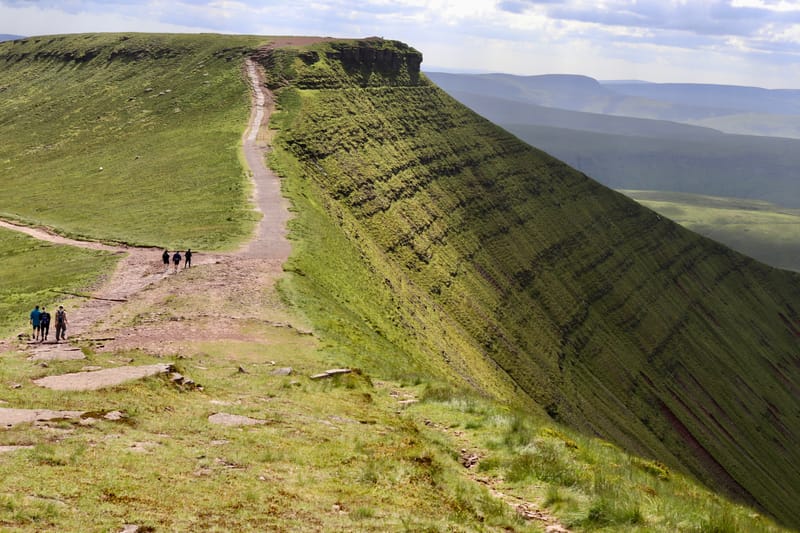
The Laugavegur Trail, often called one of the world’s most beautiful hikes, connects Landmannalaugar to Þórsmörk across 55 kilometers of Iceland’s most dramatic terrain. Over four to five days, the trail passes colorful rhyolite mountains, obsidian fields, glacial rivers, and green valleys. The scenery changes so completely from day to day that it feels like walking through different countries.
From Landmannalaugar, the first day climbs through painted mountains and hot springs to reach Hrafntinnusker. The second day descends through obsidian fields and snowfields with views of distant glaciers. The third day crosses volcanic desert and multiple river crossings toward Emstrur. The final day winds through green valleys with views of canyons and glaciers to reach Þórsmörk. Mountain huts along the route book months in advance. Camping is an alternative but requires carrying gear through river crossings and variable weather.
2. Fimmvörðuháls
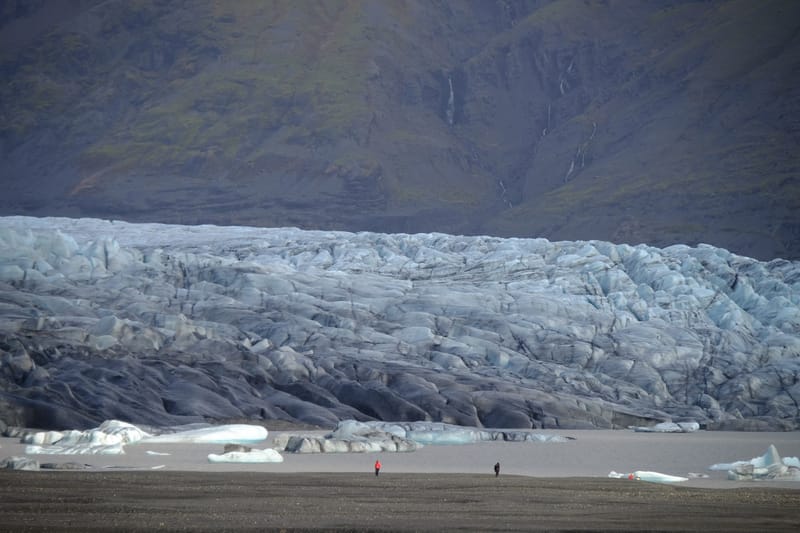
Fimmvörðuháls extends the journey, connecting Þórsmörk to Skógar over 25 challenging kilometers. The trail climbs to 1,100 meters between two glaciers, passing through the 2010 Eyjafjallajökull eruption site before descending past 26 waterfalls to the coast. Fit hikers sometimes complete it as a single long day. Combining it with Laugavegur creates an 80-kilometer journey from highlands to sea.
3. Hornstrandir
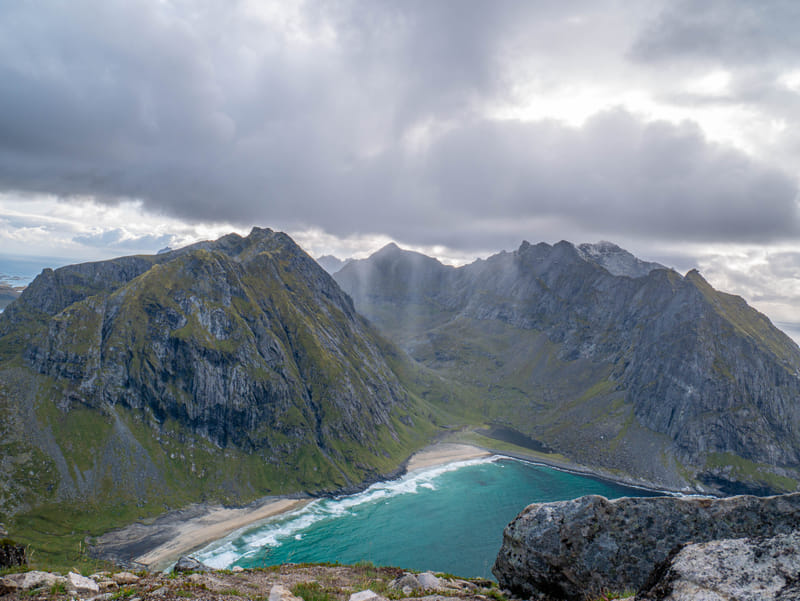
Hornstrandir in the Westfjords offers Iceland’s most remote and pristine wilderness. This nature reserve has no roads, no services, and no permanent residents. Arctic foxes are abundant and unafraid of humans. Routes range from three to seven days, with ferry access from Ísafjörður and complete self-sufficiency required.
Day Hikes Worth the Effort
1. Glymur
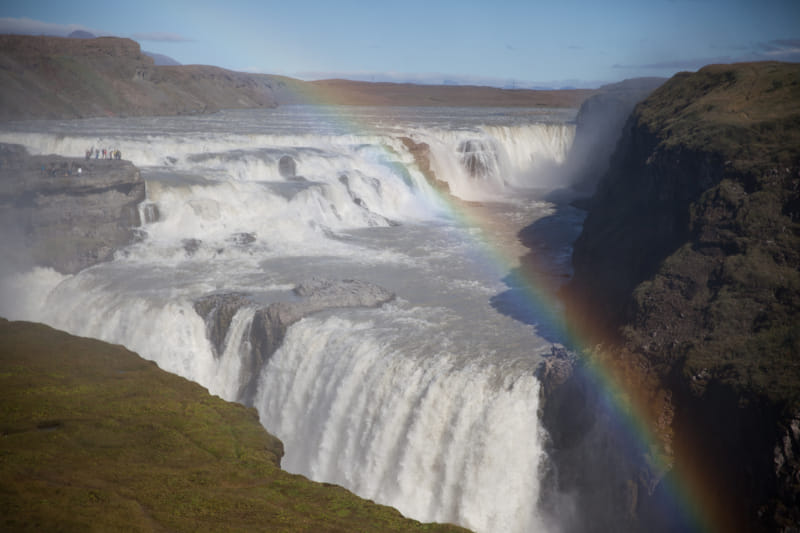
Glymur, Iceland’s second-tallest waterfall at 198 meters, requires a river crossing via log bridge or wading and some scrambling with chains and ropes. The 7-kilometer round trip from Hvalfjörður, an hour from Reykjavík, winds through a narrow canyon with multiple viewpoints. The river crossing can be dangerous in high water. Check conditions before attempting.
2. Kerlingarfjöll
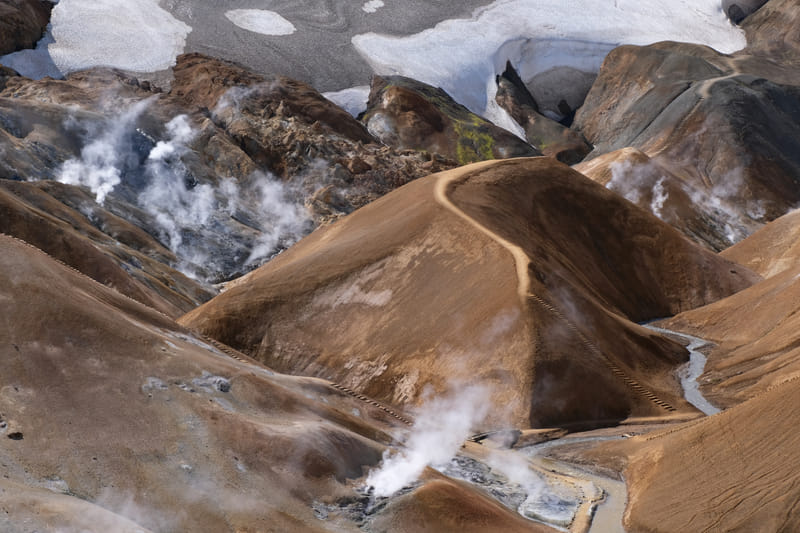
Kerlingarfjöll in the Central Highlands presents a geothermal wonderland with steaming vents, colorful rhyolite peaks, and snow patches even in summer. Multiple trails of varying difficulty explore the area. Best accessed with a 4x4 vehicle. Plan for a full day.
3. Víknaslóð
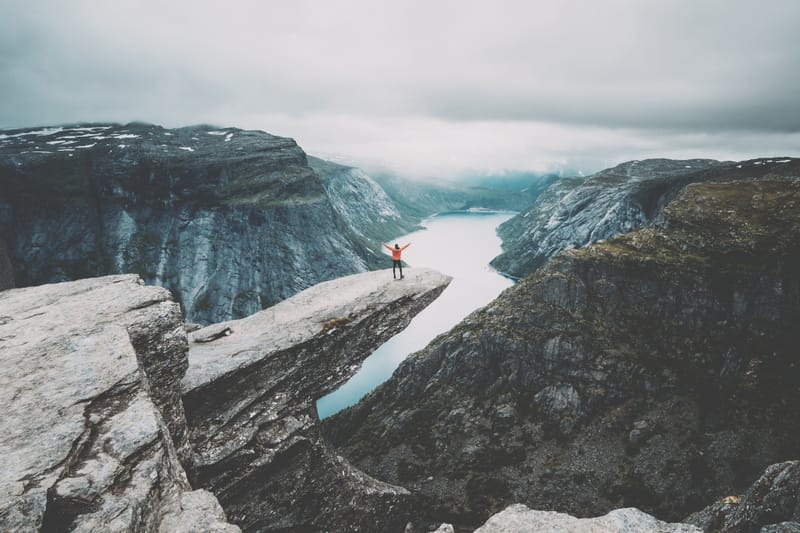
The Víknaslóð trails in East Iceland form a network connecting abandoned fjord farms. The area offers solitude, dramatic coastal scenery, and interesting history. Farms abandoned decades ago still stand in remote coves. The trails can be done as day hikes or linked into multi-day treks up to 55 kilometers.
Accessible Trails
1. Skaftafell Loop
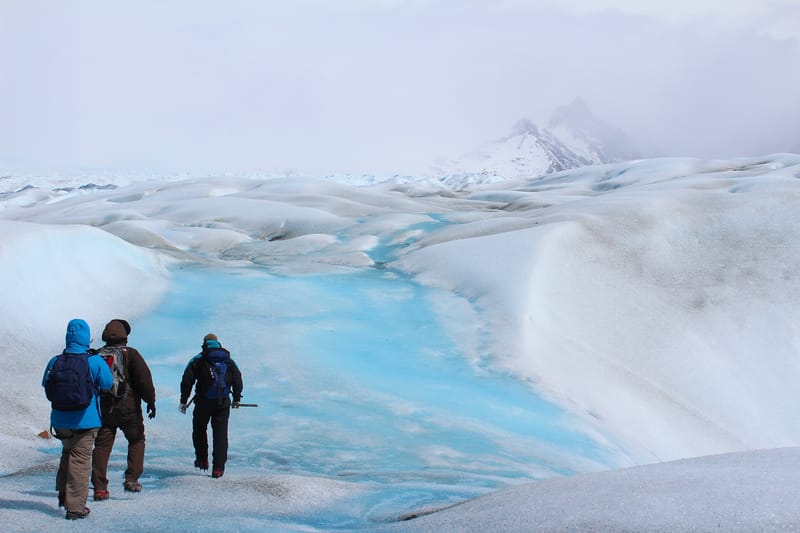
The Skaftafell waterfall loop covers 5.5 kilometers in two to three hours, combining views of Svartifoss with panoramas of Vatnajökull glacier. The well-maintained trail passes through birch forest and visits the hexagonal basalt columns that inspired Reykjavík’s Hallgrímskirkja church.
2. Reykjadalur
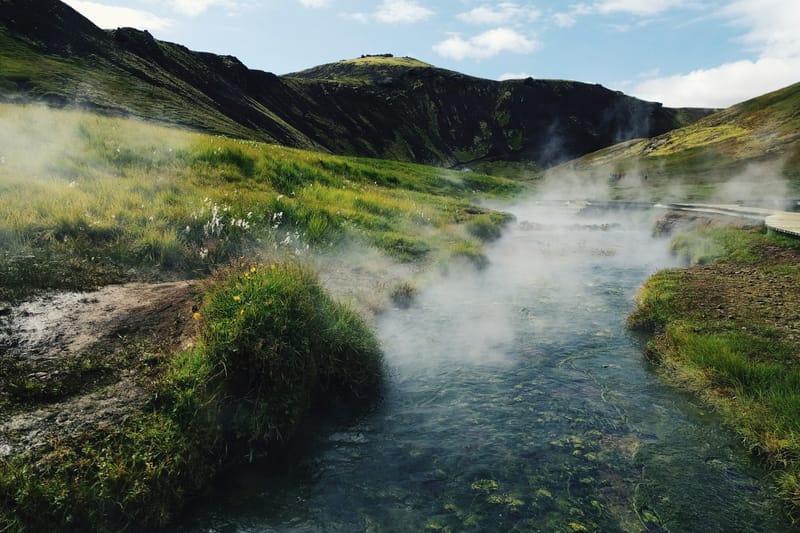
Reykjadalur near Hveragerði offers one of Iceland’s most rewarding moderate hikes. The 6-kilometer round trip through a steaming geothermal valley leads to a natural hot river where you can soak after the walk. Bring a swimsuit.
3. Þakgil
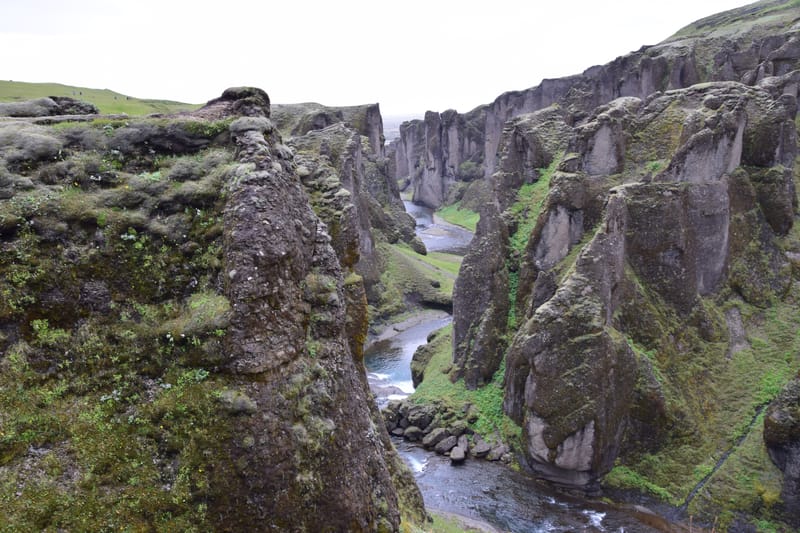
Þakgil Valley near Vík hides among dramatic cliffs, offering several short trails to waterfalls, caves, and viewpoints. The campsite here is among Iceland’s most scenic.
4. Ásbyrgi
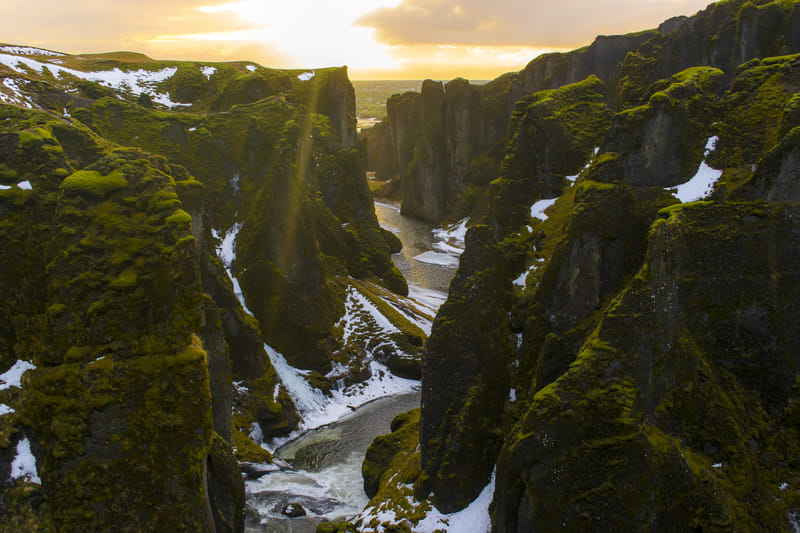
Ásbyrgi Canyon in Vatnajökull National Park allows a flat 7-kilometer walk along the floor of a horseshoe-shaped canyon that Norse mythology says was formed by Odin’s eight-legged horse. The trail leads to a peaceful pond at the canyon’s end.
5. Þingvellir
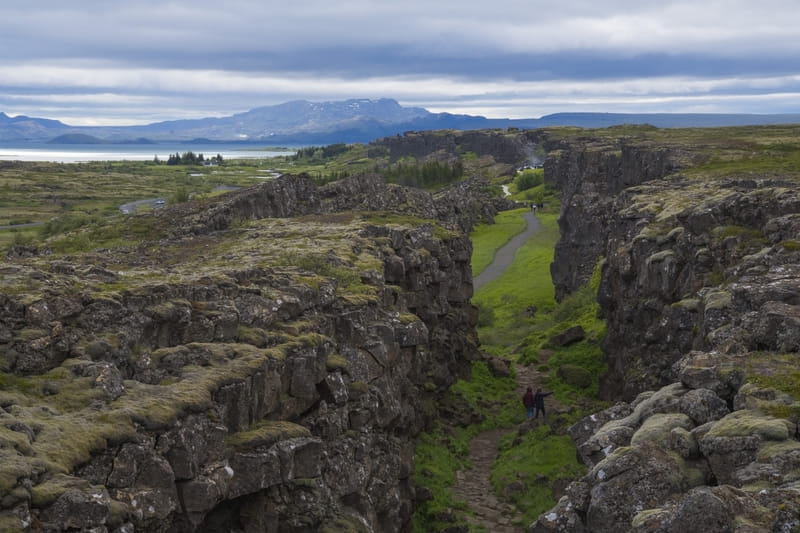
For visitors staying near the capital, Þingvellir National Park offers easy trails of 3 to 9 kilometers through the rift valley where tectonic plates meet. The dramatic Öxarárfoss waterfall and historic sites along Almannagjá gorge make this an excellent half-day outing.
6. Geldingadalir
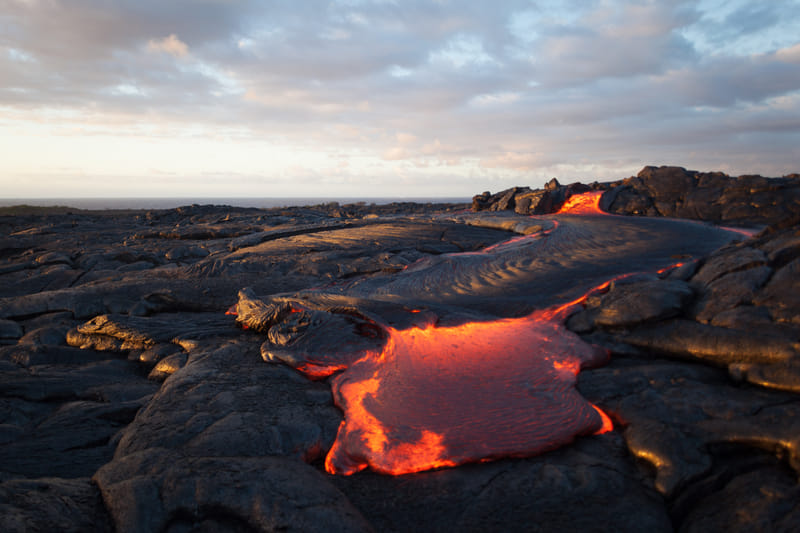
The 2021 eruption site at Geldingadalir on the Reykjanes Peninsula now features well-marked trails through fresh lava fields. Check current volcanic activity before visiting.
Planning and Safety
Always bring:
- Waterproof jacket and pants
- Warm layers
- Sturdy boots
- Hat and gloves
- Map or GPS
- Food and water
- First aid kit
- Emergency shelter
Iceland’s weather can change from sunshine to storms within hours. Check vedur.is for forecasts. File hiking plans at safetravel.is. Turn back if conditions deteriorate. Never underestimate river crossings. Rain miles away can raise water levels quickly.
Highland roads (F-roads) typically open from mid-June through September. Use a 4x4 vehicle for highland access. Check road.is for current conditions. Never ford rivers beyond your vehicle’s capability.
Iceland’s fragile ecosystems take decades to recover from damage:
- Stay on marked trails
- Don’t disturb wildlife
- Pack out all trash
- Camp only in designated areas
Highland treks work best from late June through August, though huts book fast. Lowland trails are accessible from May through September. Coastal walks can work year-round with proper weather awareness. Glacier viewpoint hikes operate year-round but conditions are best in summer.
Mountain Hut Costs
Laugavegur and other highland huts (approximate, 2025):
| Accommodation | Price per Night | Notes |
|---|---|---|
| FÍ (Ferðafélag Íslands) hut bed | ISK 11,500-13,500 (~$80-95) | Members get 50% discount |
| Private hut bed | ISK 15,000-20,000 (~$105-140) | Varies by operator |
| Camping at hut sites | ISK 2,500-3,500 (~$18-25) | Access to facilities |
| Wild camping | Free | Highlands only, no facilities |
Booking essentials:
- Laugavegur huts book 3-6 months in advance for peak season (July-August)
- FÍ membership (ISK 8,900/year) pays for itself after 2-3 nights
- Most huts provide cooking facilities but not food
- Sleeping bag required at all highland huts
Accessibility
Wheelchair accessible or mobility-friendly trails:
- Þingvellir: Paved paths along Almannagjá gorge are wheelchair accessible. Visitor center has accessible facilities. Öxarárfoss viewpoint accessible via boardwalk.
- Skaftafell Visitor Center area: Paved paths near visitor center with glacier views. Full Svartifoss loop not accessible.
- Ásbyrgi: The canyon floor trail is relatively flat but has some uneven surfaces. Viewpoint at canyon rim is accessible.
- Geysir boardwalk: Not in this list but worth noting, the Geysir geothermal area has accessible boardwalks.
Easier alternatives for limited mobility:
- Reykjadalur: First 1 km is relatively easy before steeper sections. Views available without reaching hot river.
- Geldingadalir: Main viewpoint trail is well-marked and relatively gentle. Full lava field exploration requires good mobility.
Not accessible:
- Laugavegur and all multi-day highland treks
- Glymur (river crossing, chains, scrambling)
- Fimmvörðuháls (steep, high altitude, glacier proximity)
- Hornstrandir (remote wilderness, no trails maintained for accessibility)
- Kerlingarfjöll (highland access, steep terrain)
Photography Tips
Golden hour timing by season:
- June-July (Midnight Sun): Golden hour extends 4-6 hours. Best light 9 PM - 1 AM. Harsh midday light from 11 AM - 4 PM.
- August: Golden hour 7-9 PM and 5-7 AM. Good light most of the day.
- September: Classic golden hours at sunrise (7-8 AM) and sunset (7-8 PM). Fall colors peak.
Best photography locations:
- Laugavegur: Rainbow rhyolite mountains of Landmannalaugar on Day 1. Obsidian fields of Hrafntinnusker on Day 2. Green valleys approaching Þórsmörk on Day 4.
- Fimmvörðuháls: The pass between glaciers offers 360-degree panoramas. Fresh lava from 2010 eruption creates stark contrasts.
- Skaftafell: Svartifoss with basalt columns frames well at any time. Morning light avoids shadows in the alcove.
- Kerlingarfjöll: Steam rising at dawn creates atmospheric images. Colorful hot springs best in soft light.
- Glymur: Midday works as canyon provides shade. Include the log crossing for scale.
Technical tips:
- Polarizing filter essential for reducing glare on water and intensifying colors
- Wide-angle lens (14-24mm) captures vast highland landscapes
- Tripod recommended for low-light conditions during golden hour
- Weather protection for camera critical in unpredictable highland weather
- Drone restrictions apply in national parks (Þingvellir, Vatnajökull, Snæfellsjökull)
Composition ideas:
- Use hikers for scale in vast landscapes
- Frame volcanic features against glaciers for contrast
- Capture reflections in highland tarns (small lakes)
- Include trail markers or huts for context
Contact us to plan your hiking adventure.