At a glance: Never turn your back on the ocean. Sneaker waves at Reynisfjara have claimed lives. Stay well back from the water’s edge, much further than feels necessary. Swimming in Iceland’s ocean is not advised except in designated areas.
Iceland’s beaches defy expectations. Forget tropical white sand. Here you’ll find stunning black volcanic shores, rust-red sands, glittering ice chunks, and coastlines carved by relentless North Atlantic waves. Each beach tells a geological story millions of years in the making.
Black Sand Beaches
1. Reynisfjara
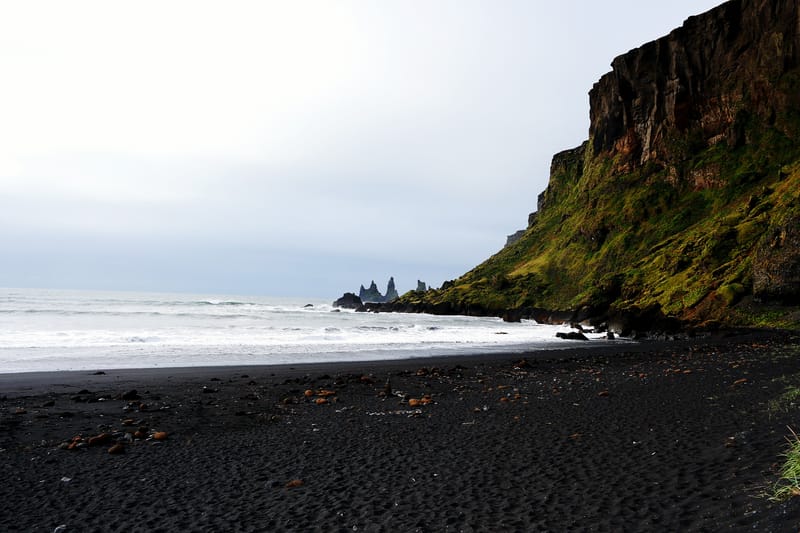
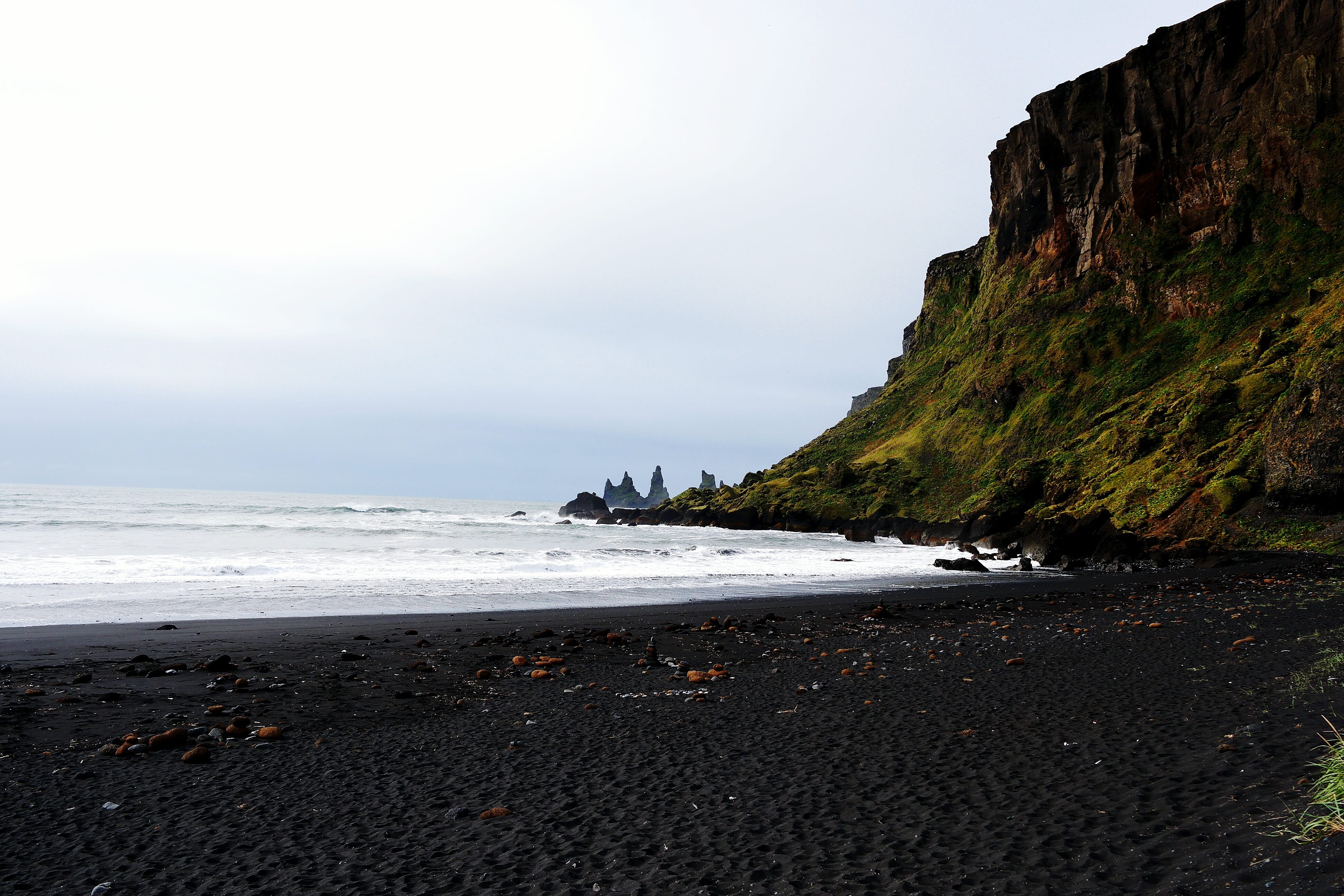
Reynisfjara consistently ranks among the world’s most beautiful non-tropical beaches, and standing there you understand why. The jet-black sand contrasts dramatically with the white foam of crashing waves, while the Reynisdrangar sea stacks rise from the ocean like giant stone fingers. According to legend, these basalt pillars are trolls turned to stone by the rising sun.
The massive basalt column cave called Hálsanefshellir provides one of Iceland’s most breathtaking photo locations. The hexagonal columns formed as lava cooled slowly millions of years ago, creating a natural cathedral of stone. The village of Vík sits nearby with restaurants and accommodation. The church perched on the hill above town provides excellent views of both the beach and the sea stacks.
A warning about Reynisfjara: its sneaker waves are genuinely dangerous and have killed visitors. These unpredictable surges can sweep you into frigid water without warning. Never turn your back on the ocean and stay well back from the water’s edge, much further than might seem necessary.
2. Breiðamerkursandur (Diamond Beach)
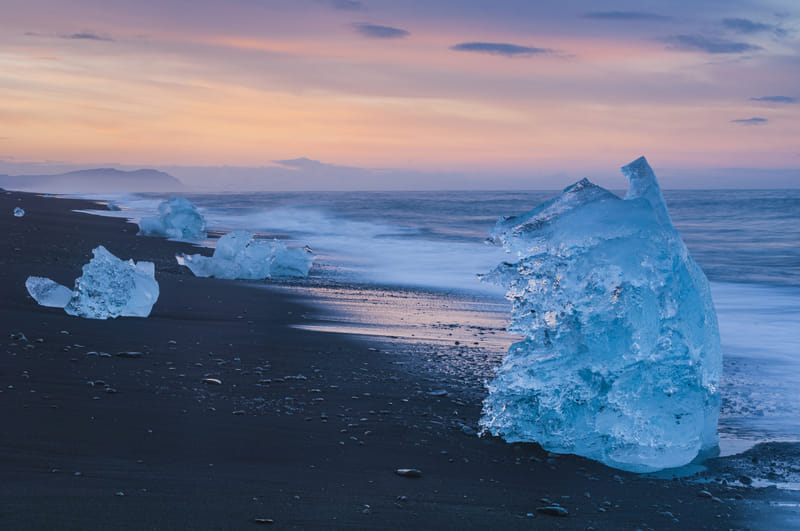
Breiðamerkursandur, known as Diamond Beach, lies near Jökulsárlón glacier lagoon, where crystal-clear icebergs calved from the glacier float out to sea and wash back onto black sand. They scatter across the dark shore like diamonds, creating a magical scene. Each piece is ancient glacier ice, hundreds or thousands of years old, slowly melting into the sea. Winter brings larger and more numerous icebergs. Sunrise and sunset offer the most dramatic lighting.
3. Djúpalónssandur
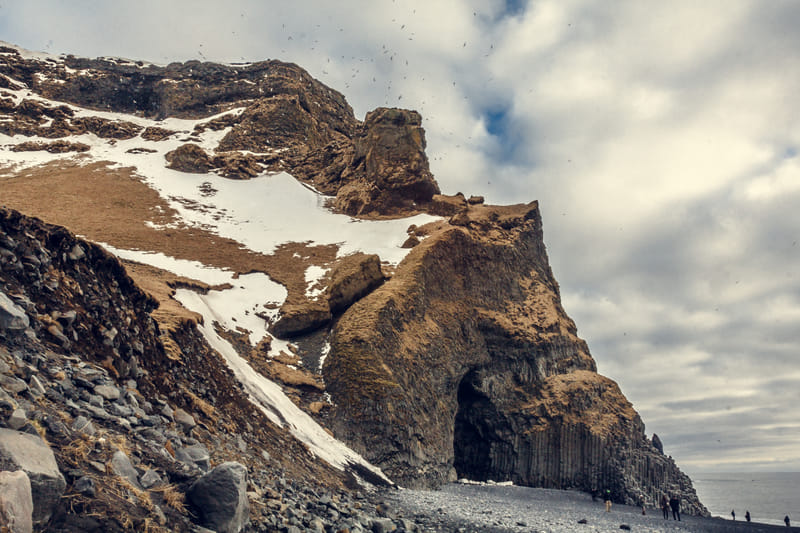
Djúpalónssandur on the Snæfellsnes Peninsula sits beneath the mystical Snæfellsjökull glacier. The smooth, dark pebbles create a distinctive crunching sound underfoot. Historical lifting stones scattered on the beach once tested the strength of fishermen applying to work on boats. Four stones remain, ranging from 23 kg to 154 kg. Among the dark stones lie rusted remnants of the British trawler Epine, which wrecked here in 1948.
4. Stokksnes
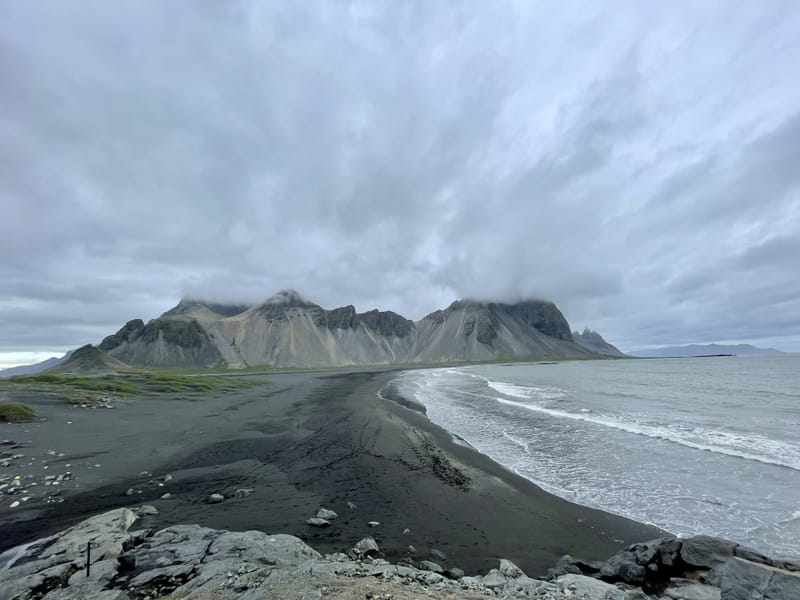
Stokksnes offers what many photographers consider Iceland’s most stunning view: the jagged 454-meter Vestrahorn mountain rising dramatically behind dark dunes often covered in tufts of grass. The wild, windswept atmosphere makes it feel like the edge of the world. Access requires a small fee paid at the nearby Viking Village film set. The beach looks good in all conditions. Clear days provide mountain reflections in tidal pools. Stormy weather brings crashing waves and dramatic clouds.
Beyond Black Sand
1. Rauðasandur
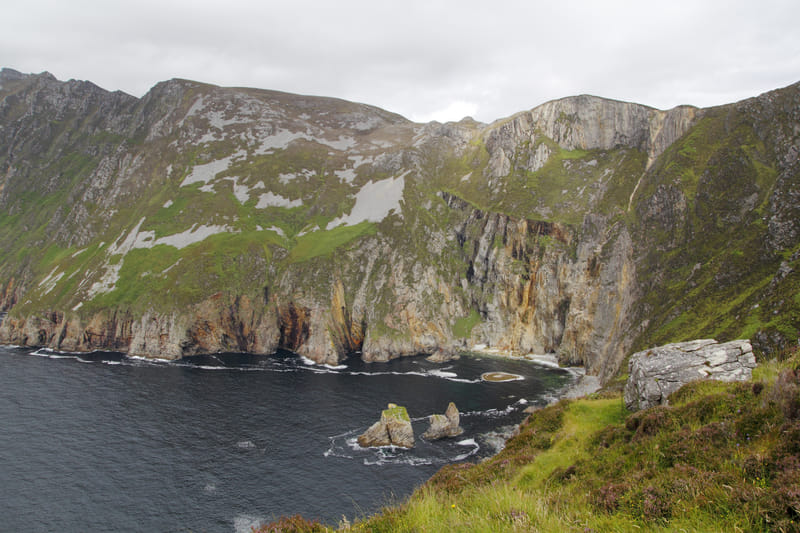
Rauðasandur in the Westfjords stretches for 10 kilometers with sand ranging from gold to rust-red to pink, depending on light conditions and moisture. The color comes from crushed shells and specific mineral content, completely different from the volcanic black beaches elsewhere. The remote location requires significant driving on gravel roads, which keeps crowds away but demands planning. The nearby historic Saurbaer church sits alone against the vast beach backdrop.
2. Skarðsvík
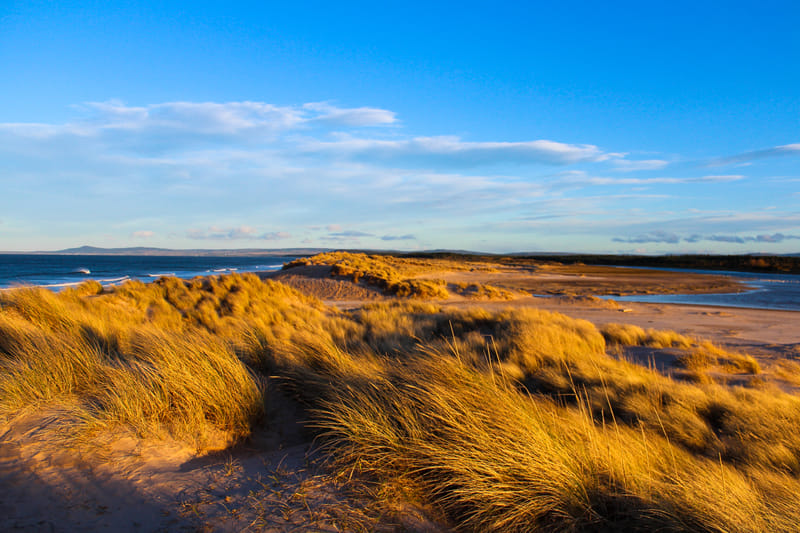
Skarðsvík on the Snæfellsnes Peninsula is one of Iceland’s few golden sand beaches, formed from crushed shells rather than volcanic material. The sheltered cove features water that turns turquoise on calm days, an unexpected sight in Iceland’s northern setting.
3. Hvítserkur
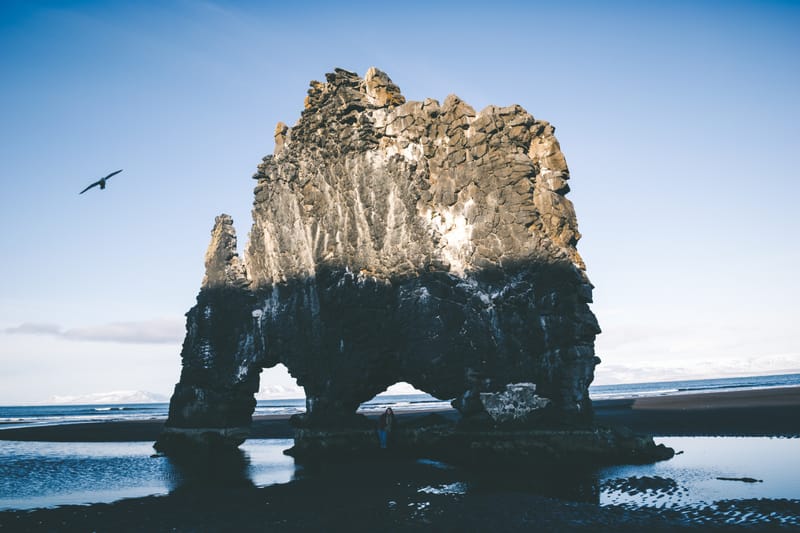
Hvítserkur on the Vatnsnes Peninsula rises 15 meters from shallow waters, its shape resembling a drinking dragon or a rhino depending on your perspective. The best viewing happens at low tide, when you can walk across exposed seabed toward the formation. Seal colonies are often visible on nearby shores. This peninsula is one of Iceland’s better seal-watching areas.
4. Kleifarvatn
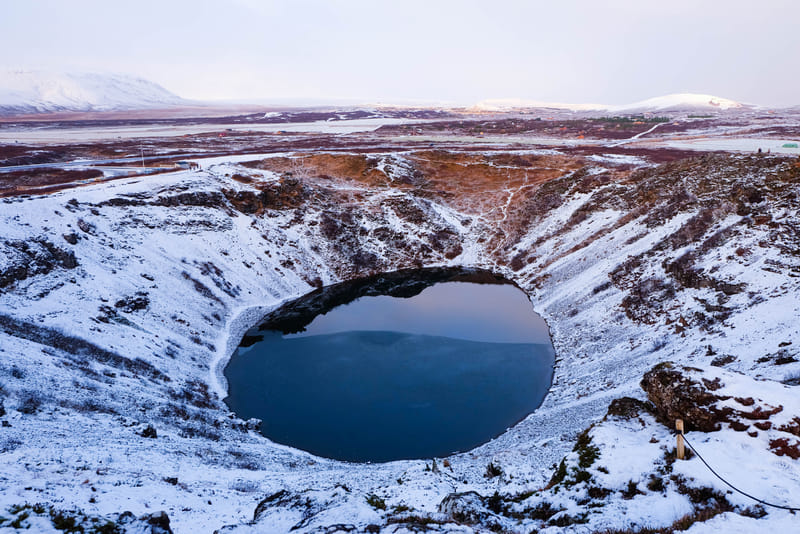
Kleifarvatn on the Reykjanes Peninsula, 40 minutes from Reykjavík, isn’t an ocean beach but offers black volcanic sand along Iceland’s largest lake. Geothermal hot springs bubble up through the sand in places. The otherworldly surroundings make it worth visiting for an easy escape from the capital.
Hidden Gems
1. Þorsknefsfjörður
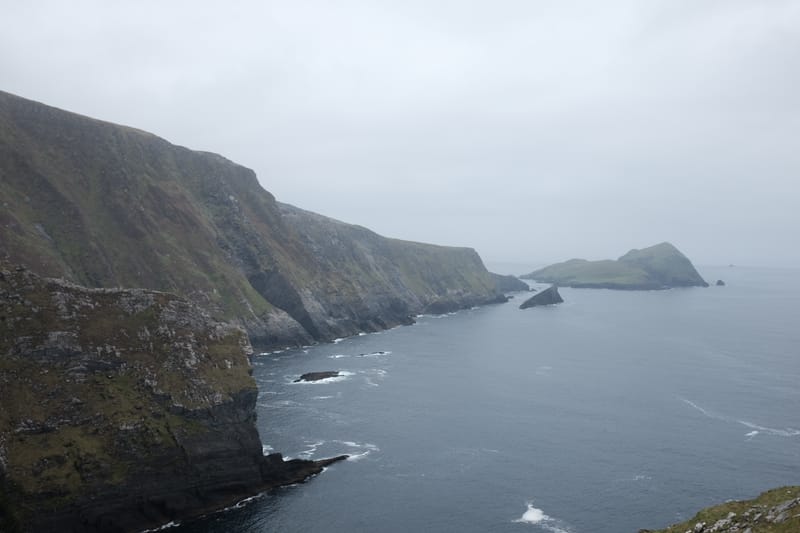
Þorsknefsfjörður in the remote Eastfjords requires hiking or boat access, rewarding the effort with complete solitude and untouched black sand coves.
2. Brimketill
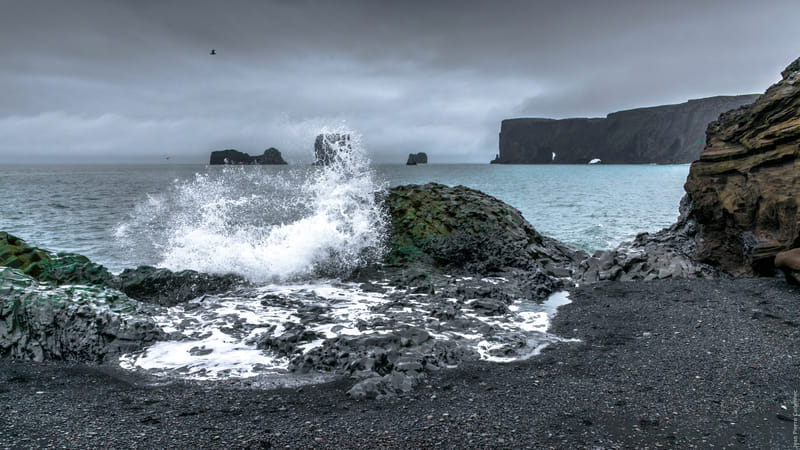
Brimketill on the Reykjanes Peninsula looks like a natural swimming pool where waves crash. Swimming would be fatal in the violent surf, but the waves are worth watching.
3. Langeyri
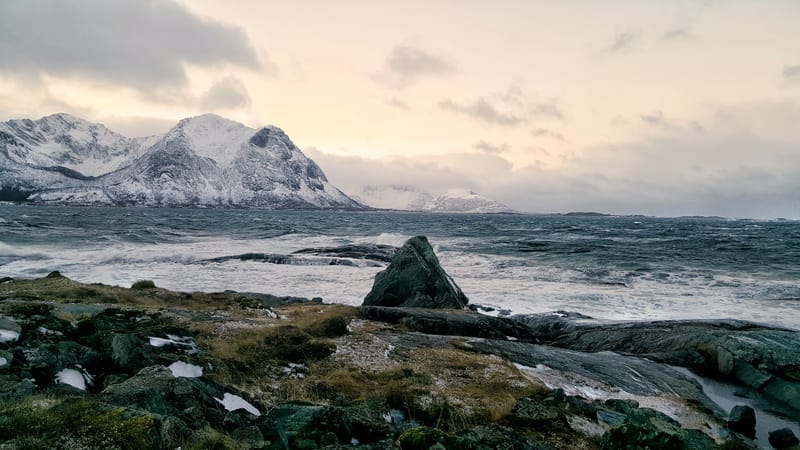
Langeyri near Djúpivogur offers views of pyramid-shaped Búlandstindur mountain. Local legend says making a wish while standing on the beach will make it come true.
Safety Notes
Iceland’s beaches are beautiful but genuinely dangerous. Sneaker waves can appear without warning, reaching much further up the beach than normal waves. The water temperature hovers between 2-10 degrees Celsius, cold enough to cause rapid hypothermia. Currents are powerful and unpredictable.
Stay safe on Iceland’s beaches:
- Keep your distance from the water’s edge, further than feels necessary
- Never turn your back on the ocean
- Watch waves for several minutes before approaching
- Keep children close
- Wet sand indicates where waves have reached, stay on dry sand
Winter storms bring dangerous conditions to all coastal areas.
Reynisfjara and Diamond Beach are accessible year-round. Rauðasandur in the Westfjords is a summer destination only, as road conditions dictate access. Djúpalónssandur works well from May through September. Stokksnes is accessible year-round.
Parking and Facilities
| Beach | Parking | Fee | Restrooms | Cafe Nearby |
|---|---|---|---|---|
| Reynisfjara | Large paved lot | Free | Yes | Black Beach Restaurant |
| Diamond Beach | Paved lot (both sides of road) | Free | At Jökulsárlón | Café at visitor center |
| Djúpalónssandur | Gravel lot | Free | Yes | No (Hellnar café nearby) |
| Stokksnes | Small gravel lot | ISK 900 (~$6) | At Viking Village | Viking Café |
| Rauðasandur | Small gravel lot | Free | No | No |
| Skarðsvík | Small gravel lot | Free | No | No (Hellissandur nearby) |
| Hvítserkur | Small gravel lot, steep descent | Free | No | No |
| Kleifarvatn | Roadside parking | Free | No | Grindavík cafes nearby |
Peak season parking: Reynisfjara and Diamond Beach parking lots fill by mid-morning in summer. Arrive before 9 AM or after 5 PM for easier parking.
Accessibility
Fully accessible:
- Reynisfjara: Paved parking lot, but beach is sand and pebbles. Viewable from parking area. Accessible restrooms available.
- Diamond Beach: Both parking areas are paved. Beach is sand. The west side of the road (ocean side) is easier terrain. Viewable from roadside.
- Kleifarvatn: Roadside viewing possible without walking on sand.
Partially accessible:
- Djúpalónssandur: Parking lot to beach requires walking down a rocky path (200 meters). Some viewing possible from upper areas.
- Stokksnes: Gravel paths lead to beach. Uneven terrain but relatively flat. Fee booth accessible.
Not accessible:
- Rauðasandur: Long drive on rough gravel road, then walking on sand required.
- Skarðsvík: Steep descent from parking to beach.
- Hvítserkur: Very steep staircase from parking to beach level. Upper viewpoint offers distant views.
- Þorsknefsfjörður: Requires hiking.
Photography Tips
Tide timing:
- Hvítserkur: Low tide essential for best photos and walking closer. Check tide tables at vedur.is.
- Diamond Beach: Low tide reveals more ice on sand. High tide washes new ice pieces ashore.
- Stokksnes: Low tide creates reflective pools of Vestrahorn.
Best light conditions:
- Reynisfjara: Afternoon to evening light illuminates sea stacks. Overcast days reduce harsh shadows in basalt cave.
- Diamond Beach: Sunrise creates warm light through ice. Sunset backlights icebergs. Overcast brings out blue tones.
- Stokksnes: Early morning often has calm conditions for reflections. Golden hour either direction works.
- Rauðasandur: Wet sand intensifies red colors. After rain is ideal.
Technical tips:
- Slow shutter speeds (1-4 seconds) create misty wave effects; requires tripod
- Polarizing filters reduce glare on wet sand and enhance sky
- Wide-angle lenses (14-24mm) capture dramatic beach expanses
- At Diamond Beach, get low to capture ice details against sky
- Protect equipment from salt spray; clean lenses frequently
Composition ideas:
- Include people for scale at Reynisfjara sea stacks
- Frame ice chunks in foreground at Diamond Beach with glacial mountains behind
- Use dune grass as foreground at Stokksnes
- Capture lifting stones at Djúpalónssandur for historical context
Contact us to include these coastal locations in your Iceland itinerary.