At a glance: Never walk on glaciers without a certified guide, as hidden crevasses are fatal. Ice caves are accessible November to March. Glacier hiking operates year-round from Skaftafell and Sólheimajökull. Book ahead for popular experiences.
Iceland’s glaciers cover approximately 11% of the country. These ice formations range from accessible glacier tongues suitable for beginners to remote ice caps requiring expedition-level preparation. Seeing them requires understanding what makes each one distinct.
Best Glaciers
1. Vatnajökull
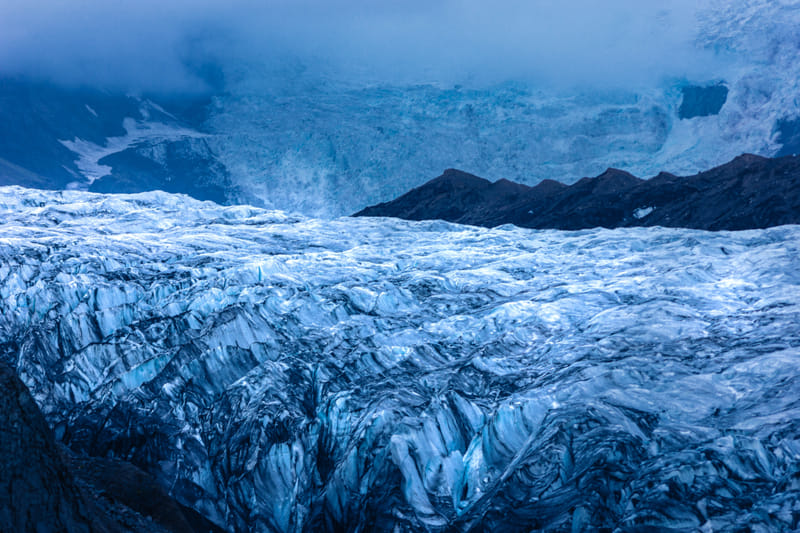
Vatnajökull is Iceland’s largest glacier and the largest in Europe by volume. Its 7,900 square kilometers of ice conceal several active volcanoes, including Grímsvötn and Bárðarbunga. This combination of ice and fire creates an active, changing landscape.
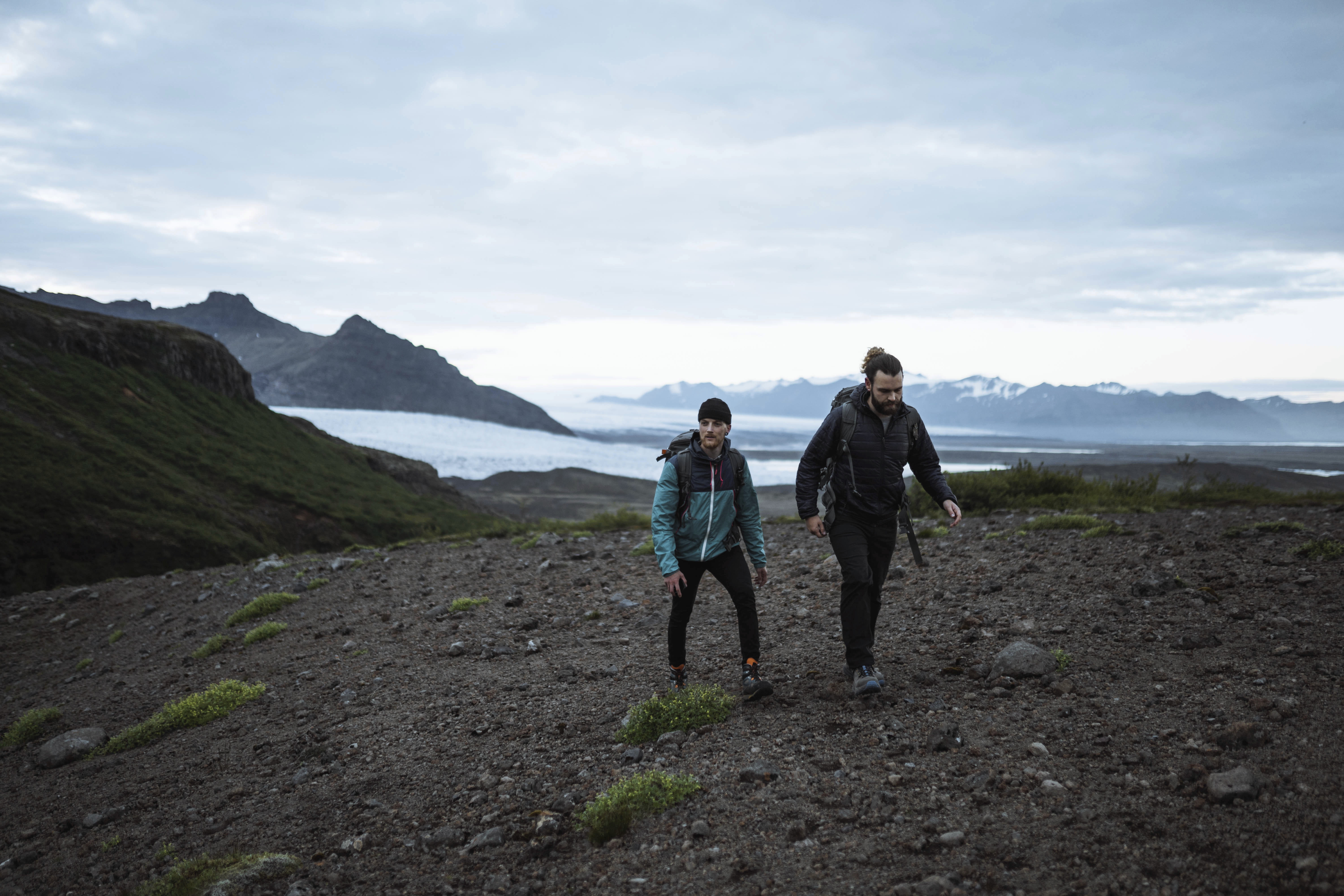
Skaftafell provides the most common access to glacier hiking on Vatnajökull’s outlet glaciers. Svínafellsjökull and Falljökull offer walks ranging from three-hour introductions to full-day expeditions. Certified guides lead all tours, providing crampons, ice axes, and safety equipment. Between November and March, ice caves form within the glacier. These are chambers of compressed ice that glow blue. Cave locations change each year as the glacier moves, and tours depart from Jökulsárlón or Skaftafell.
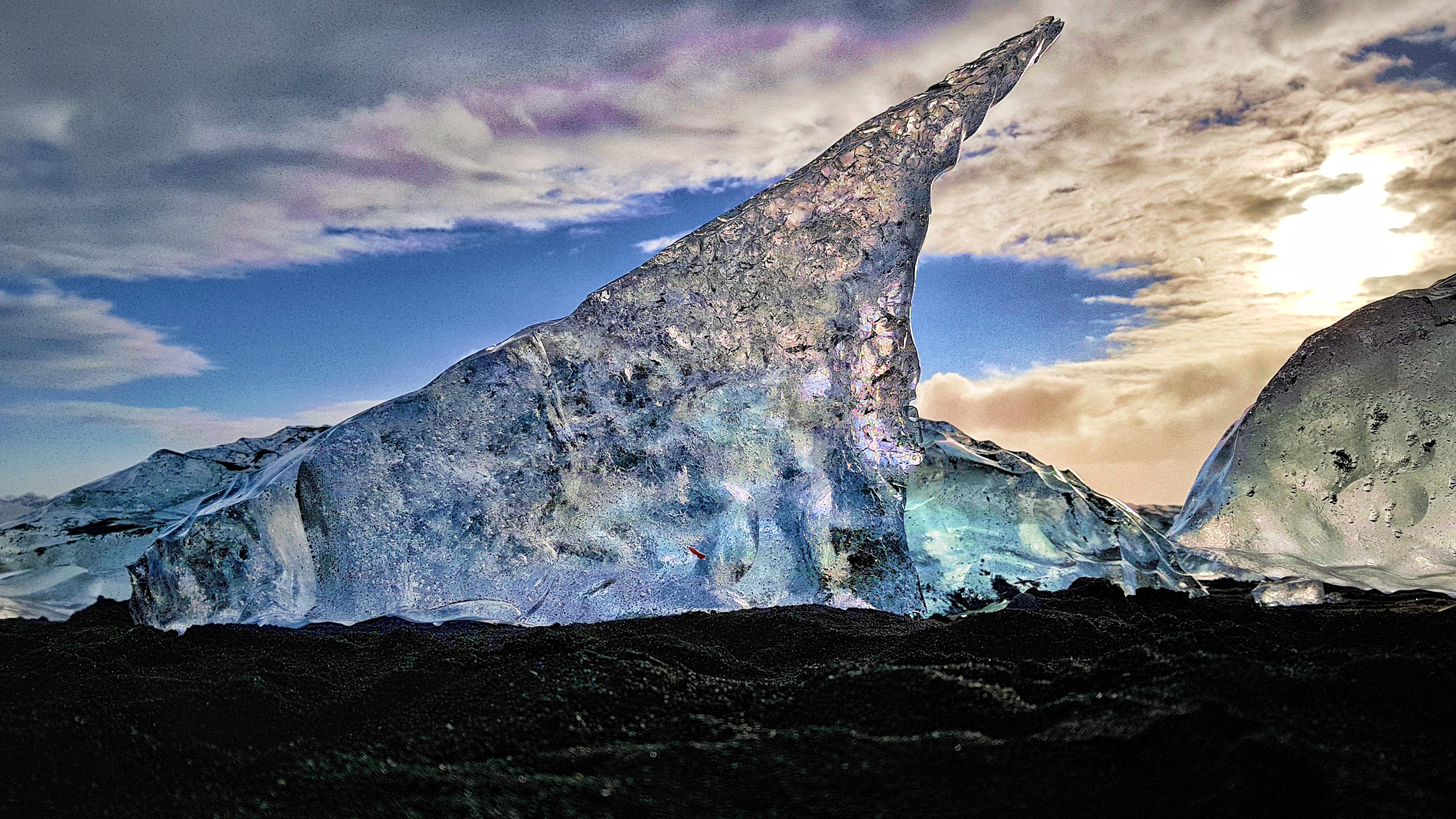
Jökulsárlón (Glacier River Lagoon) sits at the southern edge of Vatnajökull where icebergs calve from Breiðamerkurjökull. Boat tours navigate among floating ice. Nearby, Diamond Beach displays ice chunks washed ashore on black sand, ancient glacier ice catching light as it slowly melts into the sea.
2. Langjökull (Long Glacier)
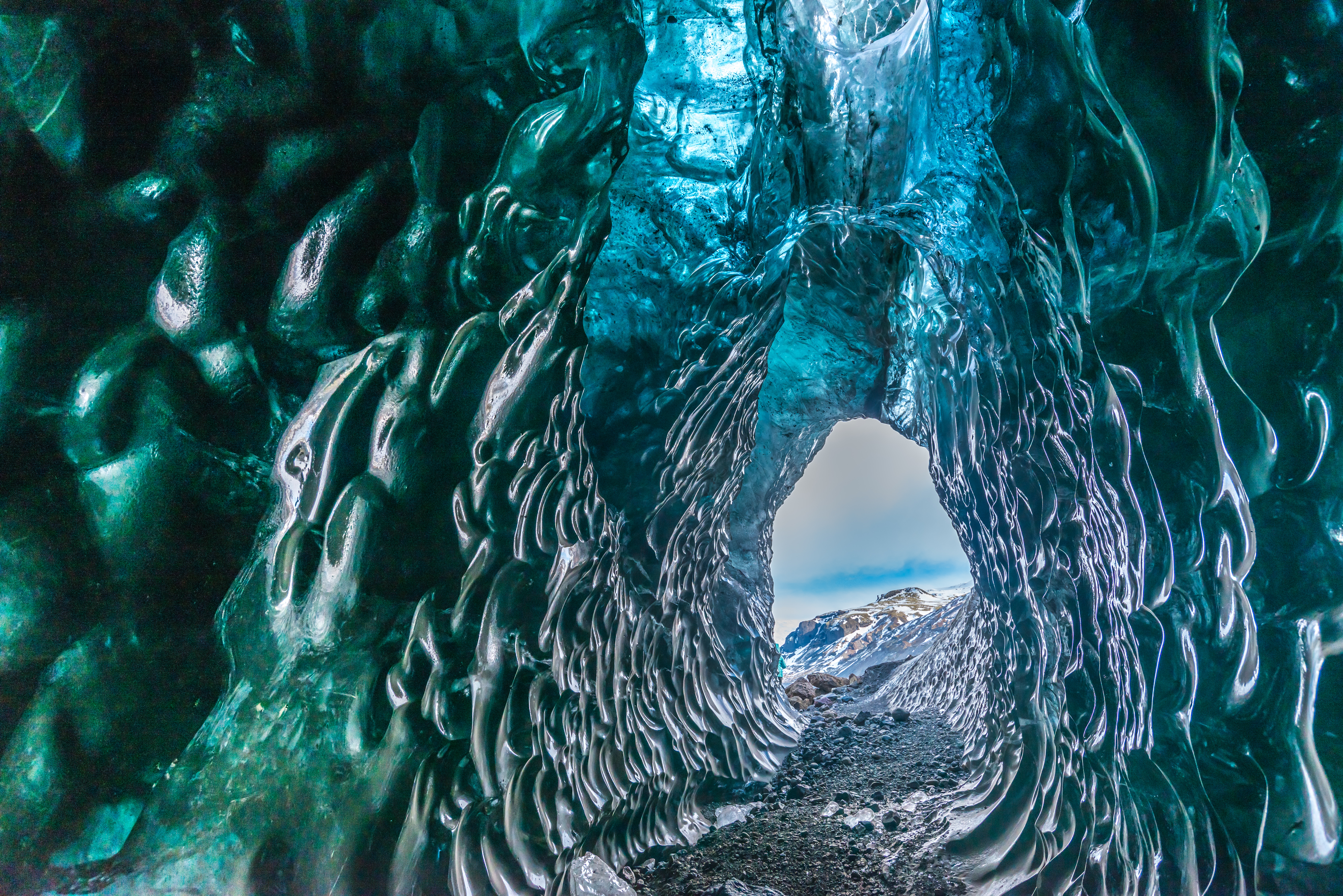
Langjökull, Iceland’s second-largest glacier at 953 square kilometers, sits atop a volcanic system in the West Iceland Highlands and feeds numerous rivers. The Into the Glacier project carved a 500-meter tunnel into the ice, allowing year-round access to the glacier’s interior regardless of weather. The tunnel includes an ice chapel occasionally used for weddings. Snowmobile tours operate on Langjökull from base camps at Húsafell or via day tours from Reykjavík when snow conditions allow.
3. Sólheimajökull
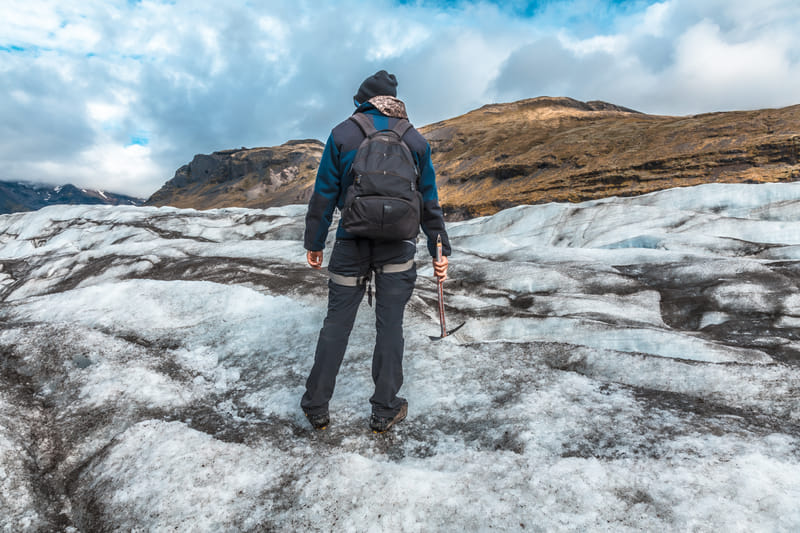
Sólheimajökull offers the most accessible glacier experience for visitors with limited time. This outlet glacier from the Mýrdalsjökull ice cap sits a short drive from Vík and about two hours from Reykjavík. Several operators run glacier hikes here, ranging from beginner-appropriate walks to ice climbing courses. The glacier displays crevasses and ice formations typical of larger glaciers, making it a good introduction to glacier terrain. Markers along the approach trail indicate where the ice edge stood in previous years. This is a visible indicator of climate change.
4. Snæfellsjökull (Snow Mountain Glacier)
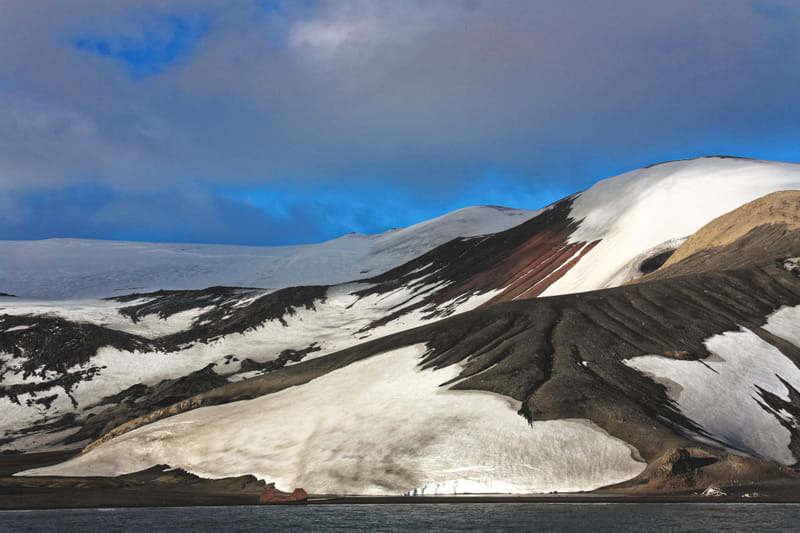
Snæfellsjökull, the glacier-capped stratovolcano that appears in Jules Verne’s “Journey to the Center of the Earth,” dominates the Snæfellsnes Peninsula and is visible from Reykjavík on clear days. Summit hikes are possible in good conditions but require proper equipment and preferably a guide. Snowcat tours run in summer for those who want to reach the glacier without climbing. Even without ascending, the mountain serves as a focal point for any Snæfellsnes visit.
5. Mýrdalsjökull
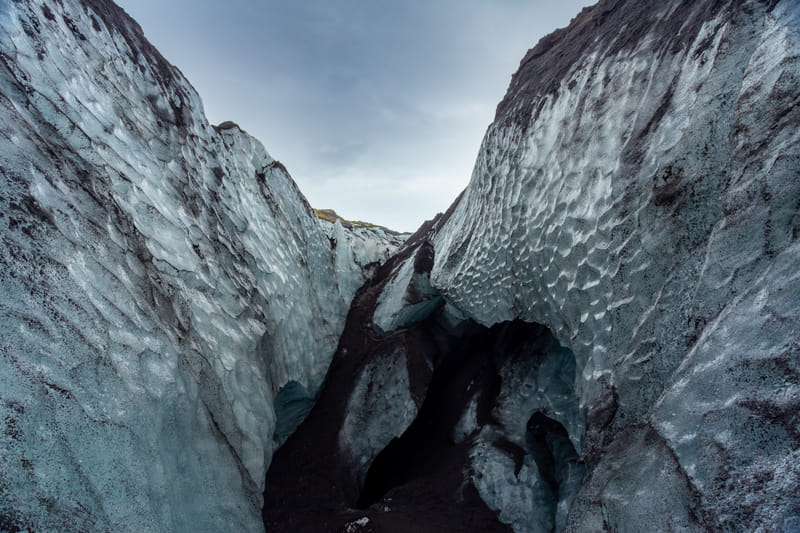
Mýrdalsjökull conceals Katla, one of Iceland’s more powerful and closely monitored volcanoes. The Katla ice cave differs from the blue caves of Vatnajökull. Volcanic ash layers create striking black bands through the ice. Unlike seasonal blue caves, the Katla cave is accessible year-round. Super jeep tours can access parts of the glacier unreachable on foot.
6. Hofsjökull
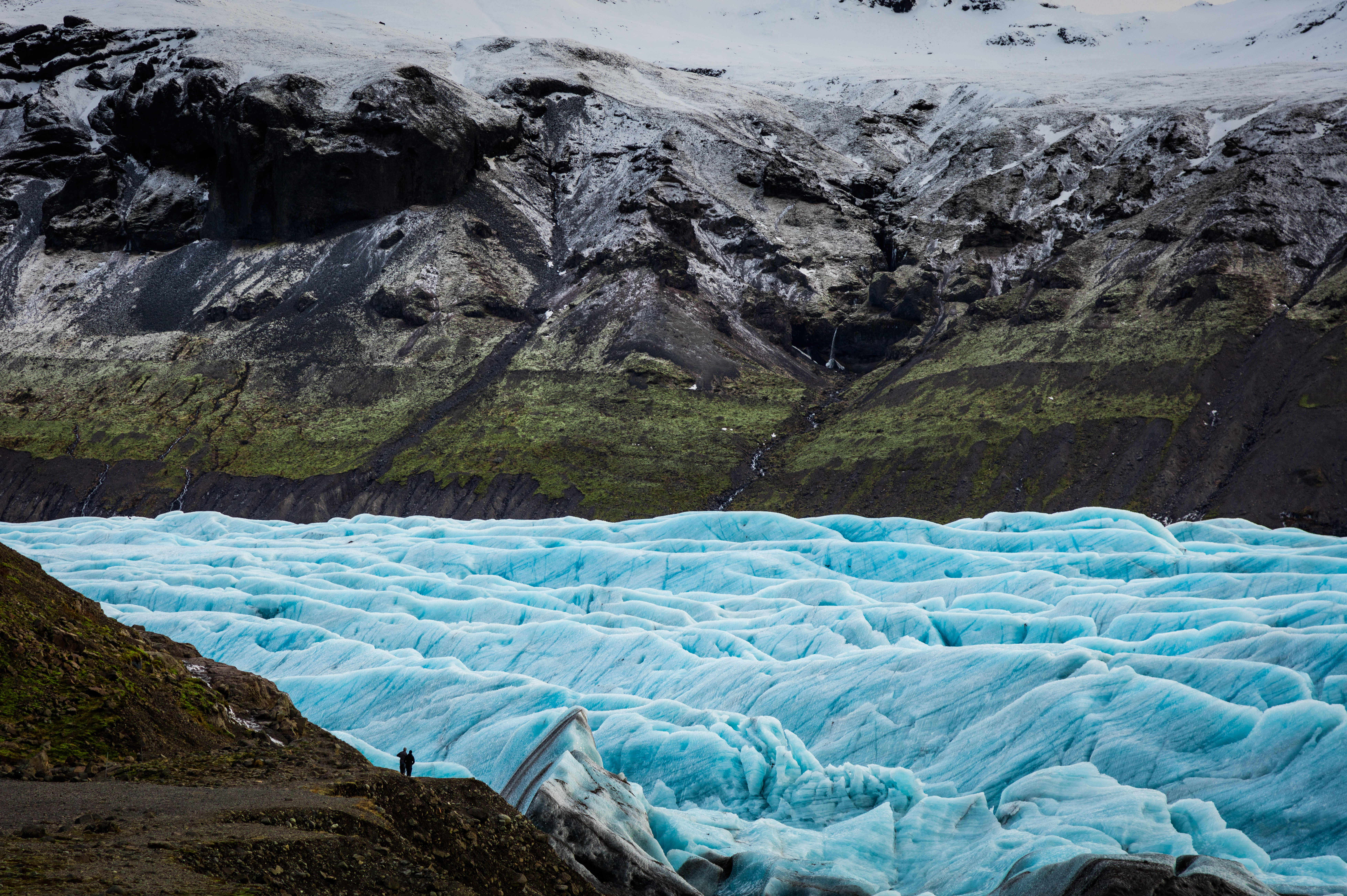
Hofsjökull, Iceland’s third-largest glacier at 925 square kilometers, sits in the remote central highlands well away from standard tourist routes. It covers an active volcanic system and serves as the source for several major rivers. Access requires experienced highland travel, and those who reach it find genuine isolation.
7. Drangajökull
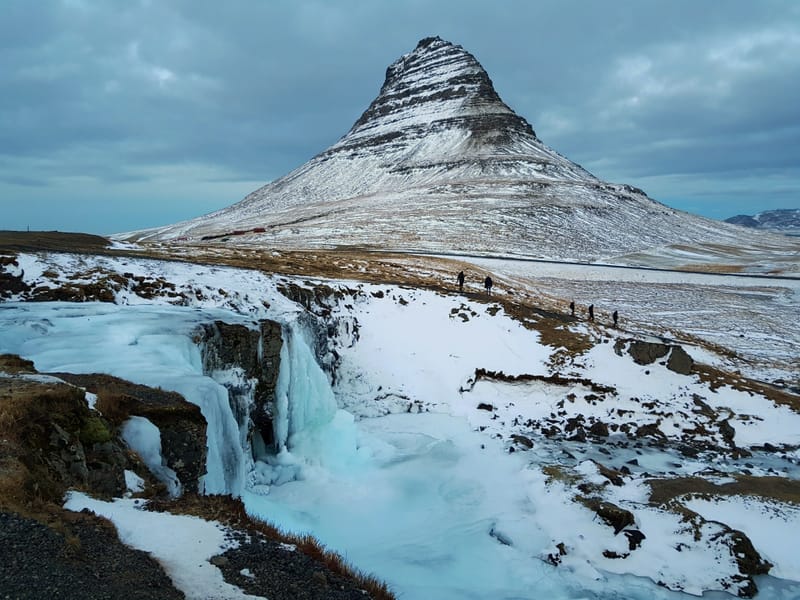
Drangajökull in the Westfjords is the only glacier in Iceland north of the main highland zone and the only one not currently receding. The remote location means few visitors reach it, but multi-day hiking routes in Hornstrandir Nature Reserve offer views within one of Iceland’s most pristine wilderness areas.
Safety and Planning
Glaciers contain hidden crevasses that can be fatal. The ice conceals these openings with snow bridges that may collapse under weight. Certified guides carry rescue equipment and know how to navigate safely. Never walk on glacier ice without one. Tours supply:
- Crampons
- Ice axes
- Helmets
- Harnesses for more advanced excursions
What to wear and bring:
- Warm, waterproof layers
- Sturdy hiking boots with stiff soles (rentals often available)
- Sunglasses (snow and ice reflect considerable light)
Summer offers the best conditions for glacier hiking, though ice caves are inaccessible because meltwater makes them unstable. Fall brings good hiking and marks the opening of ice cave season. Winter limits glacier hiking due to weather and short daylight, but this is peak season for ice caves. Spring offers good hiking as ice caves close and conditions improve.
A half-day at Sólheimajökull works for visitors passing along the South Coast. Vatnajökull warrants a full day or more to combine glacier hiking with the lagoon and ice caves in season. The remote glaciers require dedicated expedition planning.
Iceland’s glaciers lose approximately one meter of thickness annually on average. Visiting now provides experiences that may be different or unavailable in coming decades.
Tour Pricing and Difficulty
Glacier experience costs (approximate, as of 2025):
| Experience | Duration | Price Range | Difficulty |
|---|---|---|---|
| Sólheimajökull glacier walk | 2-3 hours | ISK 15,000-20,000 (~$105-140) | Easy (1/5) |
| Sólheimajökull ice climbing | 4-5 hours | ISK 25,000-35,000 (~$175-245) | Moderate (3/5) |
| Skaftafell glacier hike | 3-4 hours | ISK 18,000-25,000 (~$125-175) | Easy-Moderate (2/5) |
| Vatnajökull full-day expedition | 6-8 hours | ISK 40,000-55,000 (~$280-385) | Challenging (4/5) |
| Ice cave tour (seasonal) | 3-4 hours | ISK 25,000-35,000 (~$175-245) | Easy (1/5) |
| Langjökull ice tunnel | 3-4 hours | ISK 25,000-30,000 (~$175-210) | Easy (1/5) |
| Katla ice cave | 3-4 hours | ISK 25,000-30,000 (~$175-210) | Easy (1/5) |
| Snowmobile on Langjökull | 2-3 hours | ISK 30,000-40,000 (~$210-280) | Easy (1/5) |
Difficulty ratings explained:
- 1/5 (Easy): No prior experience needed. Suitable for most fitness levels. Minimal walking on ice.
- 2/5 (Easy-Moderate): Basic fitness required. 2-4 km walking on ice with crampons.
- 3/5 (Moderate): Good fitness required. Technical skills taught on-site. Ice climbing or longer distances.
- 4/5 (Challenging): Excellent fitness required. Full-day excursions with significant glacier travel.
- 5/5 (Expedition): Multi-day trips requiring mountaineering experience.
Accessibility
Jökulsárlón Glacier Lagoon: Fully accessible. Paved parking area and flat viewing areas along the lagoon. Amphibian boat tours have limited accessibility; zodiac tours are not wheelchair accessible.
Diamond Beach: Partially accessible. Parking lot is paved, but the beach is sand and difficult for wheelchairs. Viewable from the roadside.
Ice Caves: Not wheelchair accessible. Requires walking on uneven ice and sometimes crawling through narrow openings.
Glacier Walks: Not accessible for wheelchairs or mobility-impaired visitors. All tours require walking on ice with crampons.
Langjökull Ice Tunnel: Accessible with assistance. The monster truck transport can accommodate wheelchairs with advance notice. The tunnel itself has smooth ice floors but includes some steps.
Skaftafell Visitor Center: Fully accessible with accessible restrooms. The viewpoint over Svínafellsjökull is accessible via paved paths.
Sólheimajökull Parking: Accessible parking and viewpoint. You can see the glacier tongue from the parking area without walking on ice.
Best viewpoints without hiking: Jökulsárlón lagoon, Diamond Beach, Skaftafell viewpoint, and Sólheimajökull parking area offer glacier views without requiring glacier walks.
Photography Tips
Best conditions: Overcast skies bring out the blue tones in glacier ice. Bright sun creates harsh contrasts. Early morning and late evening light adds warmth to the ice.
Ice caves: Bring a wide-angle lens (14-24mm) to capture cave interiors. A tripod allows for longer exposures that reveal ice texture. Flash is rarely needed as ice transmits light beautifully.
Glacier walks: Polarizing filters reduce glare from ice and snow. Protect your camera from meltwater and ice spray. Bring lens cloths as moisture accumulates quickly.
Jökulsárlón: Golden hour creates stunning reflections. Sunrise and sunset light the icebergs dramatically. A telephoto lens (70-200mm) isolates individual bergs against the water.
Diamond Beach: Low tide exposes more ice on the black sand. Slow shutter speeds (1/4 to 2 seconds) capture waves washing around stationary ice. Early morning offers fewer people in shots.
Protecting gear: Cold temperatures drain batteries quickly. Keep spares warm in inner pockets. Condensation forms when bringing cold cameras into warm vehicles. Let equipment acclimate in a sealed bag.
Composition tips: Include people for scale on glacier hikes. Frame ice caves with figures in silhouette against blue light. Use leading lines of crevasses to draw viewers into the frame.
Contact us for guidance on choosing the right glacier experience for your trip.