At a glance: Peak midnight sun occurs June 15 to 30, centered on the solstice around June 21. Grímsey Island on the Arctic Circle offers true midnight sun. Bring a sleep mask. It is essential equipment.
Imagine standing at a waterfall at midnight, bathed in golden sunlight. That is Iceland’s midnight sun: a phenomenon where the sun barely sets during summer, creating endless days perfect for exploration and photography. The experience changes how you travel. There is no pressure to return before dark, no rush to catch the last light.
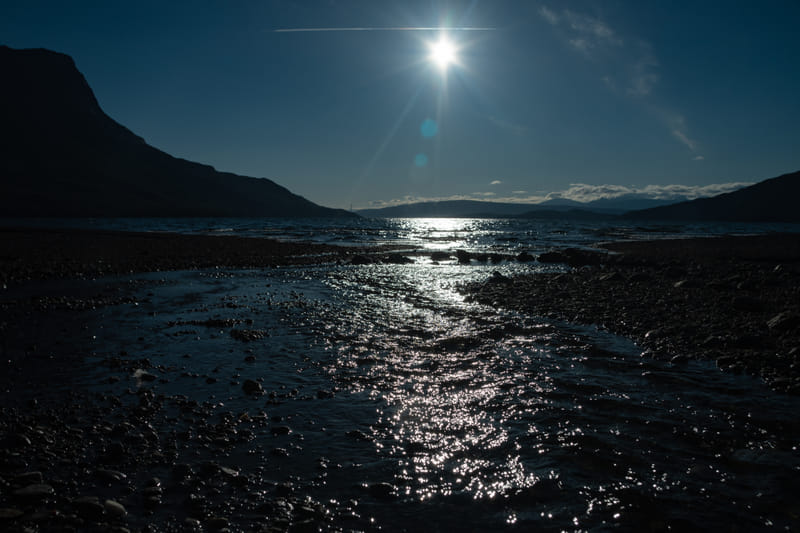
The midnight sun occurs when the sun remains visible at local midnight. Earth’s axial tilt means the Arctic region tilts toward the sun during summer, and the farther north you travel, the longer the sun stays above the horizon. Iceland’s latitude (63°N in the south to 66°N in the north) means the sun barely sets in midsummer. True darkness doesn’t return until late July.
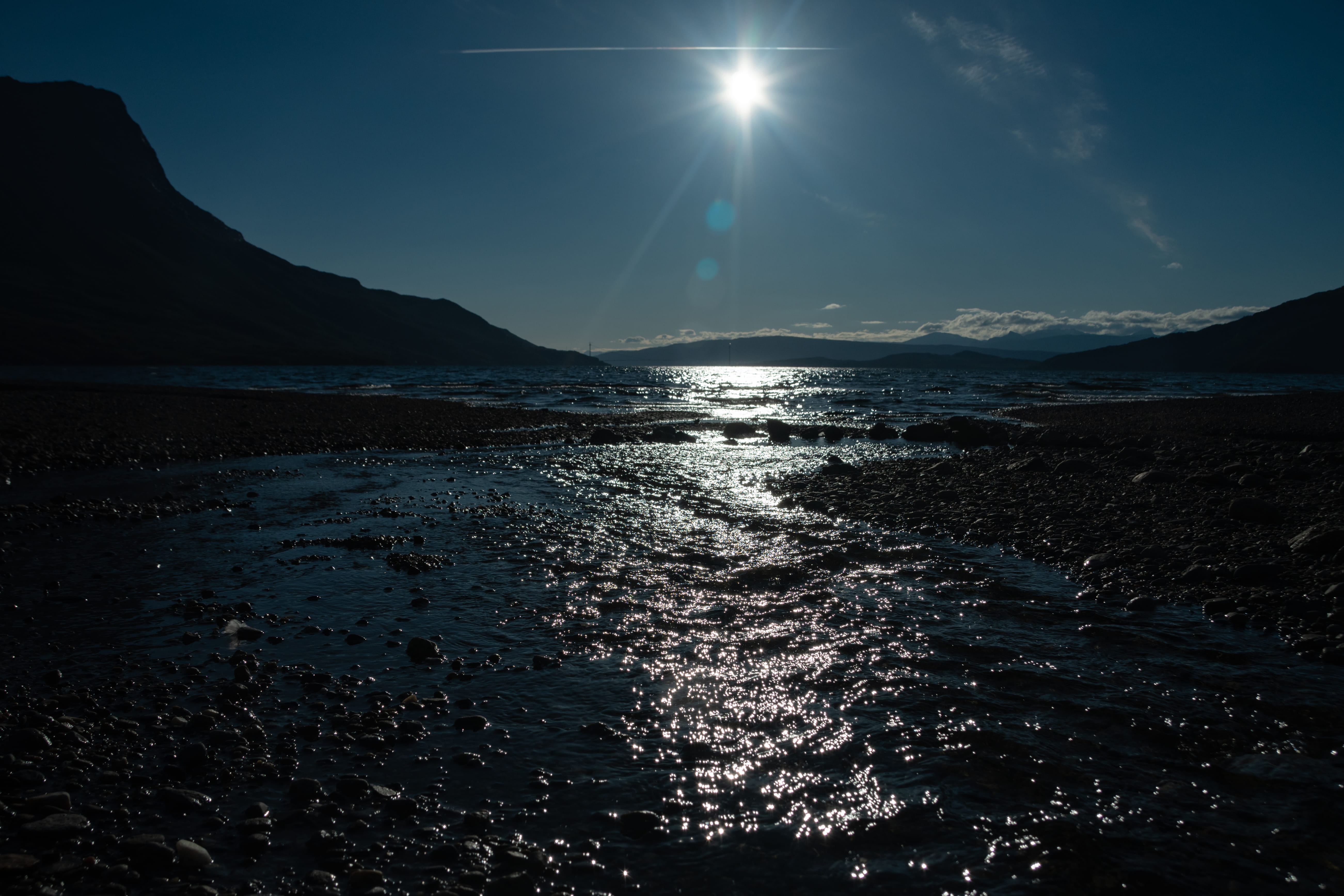
The peak period runs approximately June 15–30, centered on the summer solstice around June 21. During these weeks, the sun barely dips below the horizon, staying visible or creating bright twilight throughout the night. Golden hour stretches for hours rather than minutes, and you’ll have 20–24 hours of usable daylight.
The effect extends well beyond the peak. May offers 18–21 hours of daylight with long, lingering evenings. June delivers the true midnight sun. July provides 18–22 hours of light. Even August brings 15 to 18 hours, which are long days by any standard.
For the purest midnight sun experience, travel to Grímsey, Iceland’s only territory actually touching the Arctic Circle. On the solstice, you can watch the sun touch the horizon without setting. Grímsey is accessible by ferry from Dalvík or by short flight from Akureyri. The farther north you go in Iceland, the more dramatic the effect. Akureyri, Húsavík, and communities along the Arctic Coast Way experience longer periods of visible sun than the south. But even in Reykjavik during June, midnight is bright enough to read outdoors without artificial light.
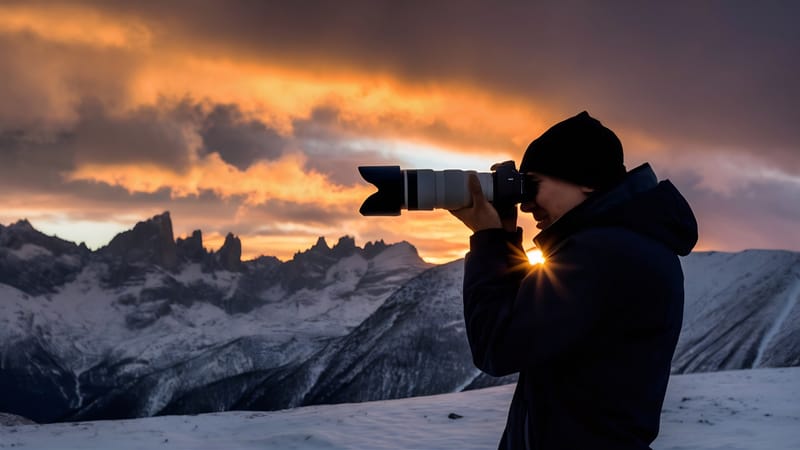
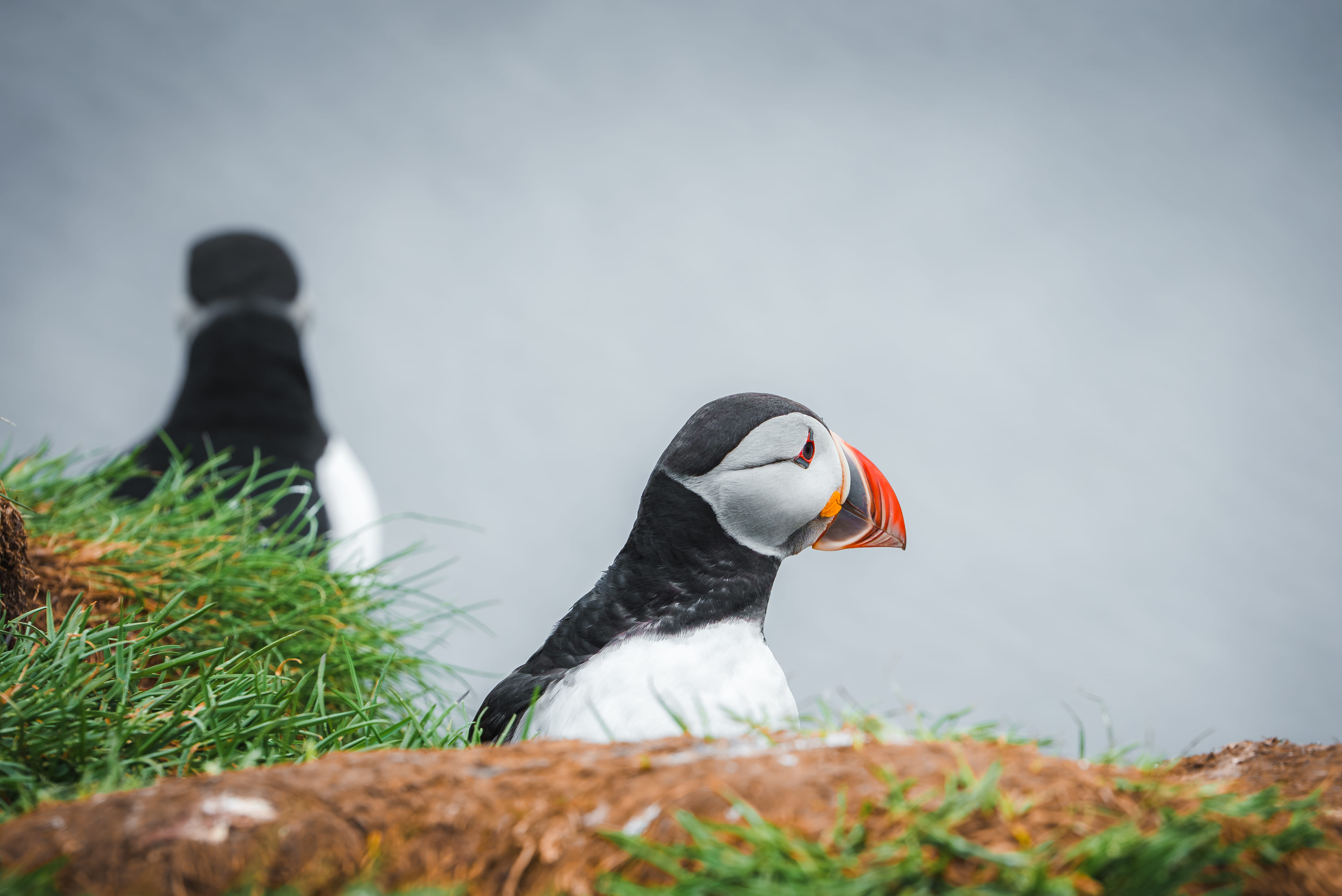
The midnight sun creates incredible photography conditions. Golden hour, that prized soft light photographers chase, typically lasts about an hour. Under the midnight sun, it stretches for four to six hours, with the sun low on the horizon casting warm light across landscapes. Shoot between 10 PM and 3 AM for stunning light when few other visitors are around. The best subjects include waterfalls, mountains with long shadows, coastal scenes with warm reflections, and puffins at their colonies.
Extended daylight transforms hiking. You can depart in the evening for long hikes without worrying about darkness, tackle multiple peaks in a single day, and enjoy cooler temperatures during “night” hiking. Popular midnight sun hikes include trails around Landmannalaugar, the Fimmvörðuháls pass between Eyjafjallajökull and Mýrdalsjökull, Esja mountain near Reykjavik for easy access, and Hornstrandir for serious expeditions.
Golf becomes surreal. Iceland hosts midnight golf tournaments that take advantage of the endless daylight. You can tee off at 10 PM and complete your round before “sunrise,” though the sun never actually set. Akureyri Golf Club hosts the famous Arctic Open. Wildlife remains active throughout the bright nights: puffins continue their busy schedules, whale watching tours extend into evening with excellent visibility, and Arctic terns continue dive-bombing anyone who ventures near their nests.
Driving becomes more flexible when there’s no pressure to reach accommodation before dark. Stop for photos whenever something catches your eye. The landscape shifts through hours of slowly changing light, creating an almost meditative experience.
The biggest challenge is sleep. Your circadian rhythm depends on darkness cues, and without them, rest can feel difficult. A sleep mask becomes essential equipment for summer travel in Iceland. Most hotels have blackout curtains. Request them if your room lacks them. Establish a consistent bedtime routine regardless of light conditions. And embrace afternoon naps if you find yourself dragging.
Set phone alarms for meals and rest periods so you don’t lose track of time. Resist the urge to stay awake around the clock. Your body still needs rest. Pace yourself across multi-day trips. Different hours offer different experiences: midnight to 3 AM provides the best light with the fewest crowds, while popular spots packed at noon may be empty at 1 AM. Morning hours bring quiet time with excellent light. Evening marks the beginning of extended golden hour with gradually diminishing crowds.
Secret Solstice Festival brings musicians to Reykjavik during solstice week, with stages running through the bright nights. The Midnight Sun Run in Akureyri lets runners race through the night in full daylight. Restaurants create special dining experiences, and helicopter tours offer late evening flights when golden light makes landscapes even more dramatic.
The colors during midnight sun are unlike any other time of year. Extended golden and orange tones persist for hours. Soft pink and purple hues appear as the sun approaches the horizon without quite setting. The warm color temperature makes everything glow. Planning your Ring Road trip for June maximizes the experience. Drive scenic sections during the “night” when roads are empty and light is good, visiting popular spots when other tourists are sleeping.
Photography Tips
The midnight sun offers photographers unique opportunities:
Extended golden hour:
- Timing: Best light 10 PM - 3 AM when sun is low on the horizon
- Duration: 4-6 hours of golden light versus typical 1 hour
- Direction: Sun circles north, creating 360-degree lighting possibilities
Technical settings:
- White balance: Warm/shade setting enhances golden tones, or shoot RAW to adjust later
- Exposure: Bracket exposures as high dynamic range between lit landscape and sky
- Polarizing filter: Reduces glare on water, enhances sky even at low sun angles
- ND filters: Allow slow shutter waterfalls even in bright midnight light
Best subjects:
- Waterfalls: Skógafoss, Seljalandsfoss, Goðafoss all stunning in midnight light
- Mountains: Kirkjufell, Vestrahorn cast long dramatic shadows
- Seascapes: Calm waters reflect pink and orange skies
- Wildlife: Puffins and seabirds remain active throughout the bright nights
Composition ideas:
- Long shadows: Low sun creates dramatic shadows for landscapes
- Silhouettes: Mountains and rock formations against warm sky
- Reflections: Still lakes and fjords mirror the colorful sky
- Sun position: Include the visible sun for dramatic effect
Crowd advantage:
- Popular locations like Jökulsárlón and Kirkjufell nearly empty at midnight
- Time-lapse without interruption
- No waiting for other photographers to finish
Accessible Midnight Sun Viewing
Best accessible locations:
- Reykjavík waterfront: Harpa concert hall area offers views over Faxaflói Bay
- Þingvellir: Paved viewpoints with midnight sun over the rift valley
- Jökulsárlón: Paved parking with midnight sun over icebergs (June)
- Grímsey Island: Flat terrain, accessible village area for Arctic Circle viewing
Accessible activities:
- Midnight sun boat tours: Many operate from Reykjavík harbor (accessible boats available)
- Scenic drives: Experience midnight sun from vehicle with pullout stops
- Hotel rooftops/terraces: Many hotels offer midnight sun viewing areas
- Restaurants: Several offer midnight sun dining with views
Considerations:
- Most attractions remain open late or 24 hours during peak season
- Accessible facilities (restrooms) may close earlier than sites
- Some midnight sun tours can accommodate wheelchairs with advance booking
Contact us to plan your summer adventure in the land of the never-ending day.