A road trip remains the best way to experience Iceland at your own pace. From the Ring Road to remote highland tracks, driving offers freedom that group tours cannot match. Iceland’s roads do require respect and preparation. This guide covers what you need to know.
Understanding Iceland’s Road System
Road Classifications
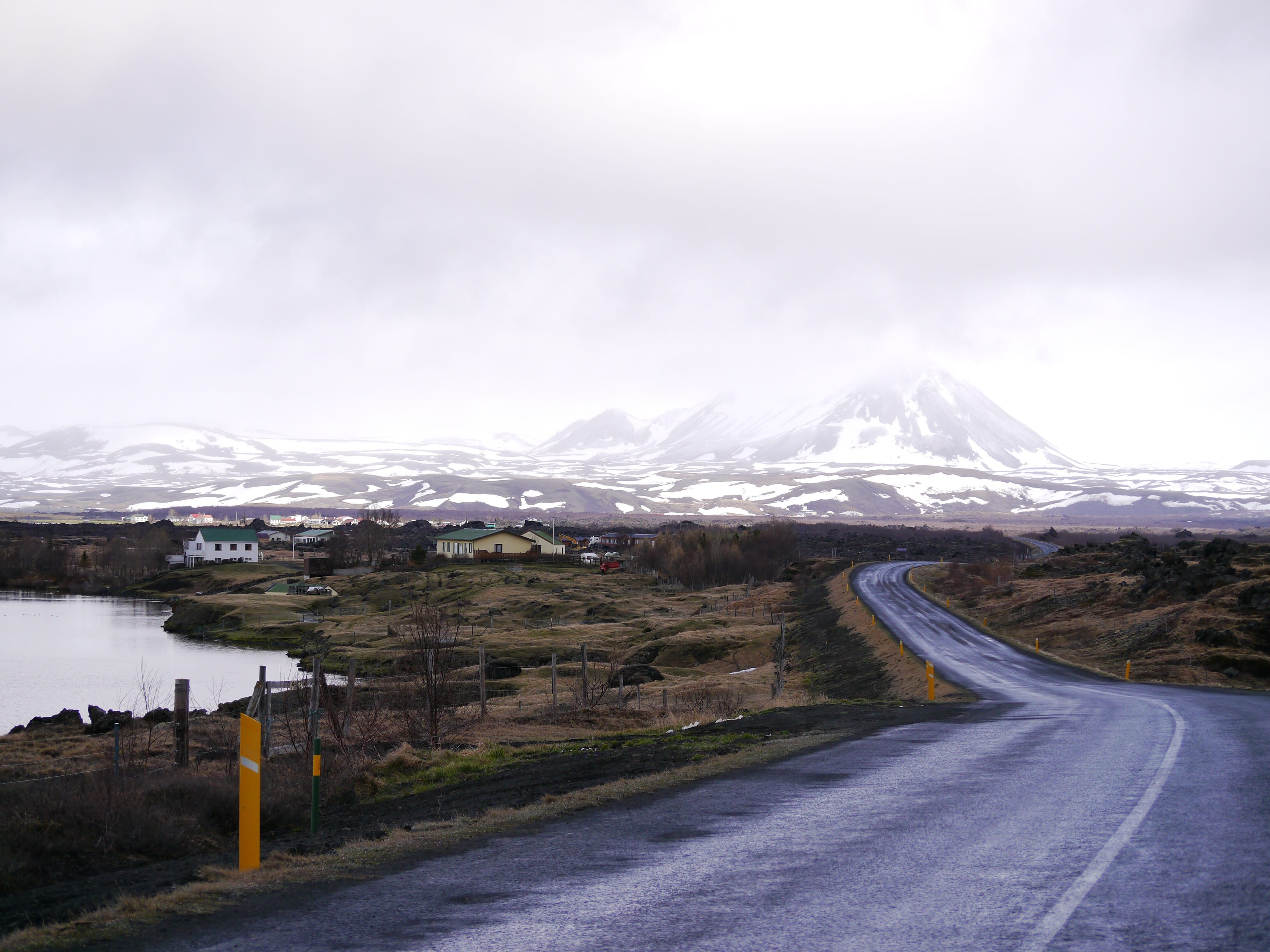
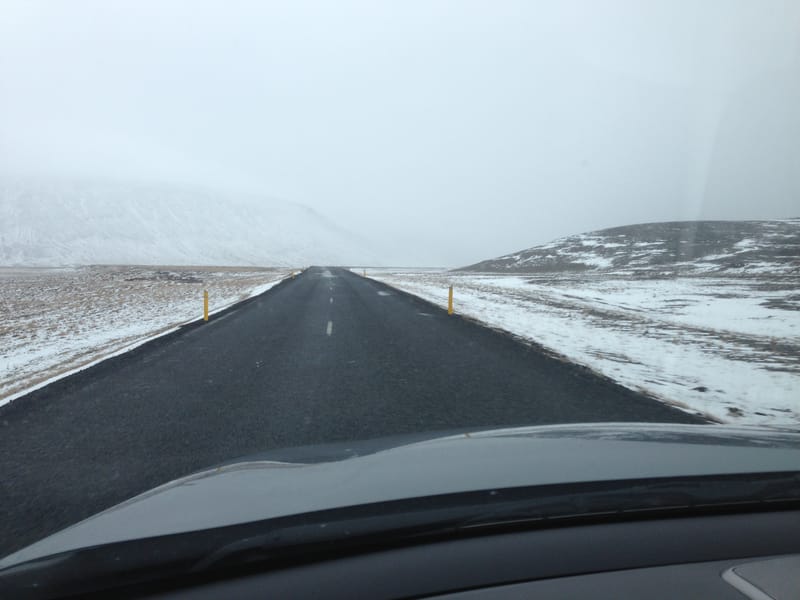
Iceland’s roads range from well-maintained paved highways to challenging mountain tracks. Route 1, known as the Ring Road, circles the entire country on paved surface. Other numbered routes are generally paved, though some secondary roads have gravel sections.
Gravel roads are common outside main arteries. Conditions vary. Some are smooth and well-graded, others rough with loose stones. When driving on gravel, reduce speed to avoid windshield damage from rocks kicked up by passing vehicles.
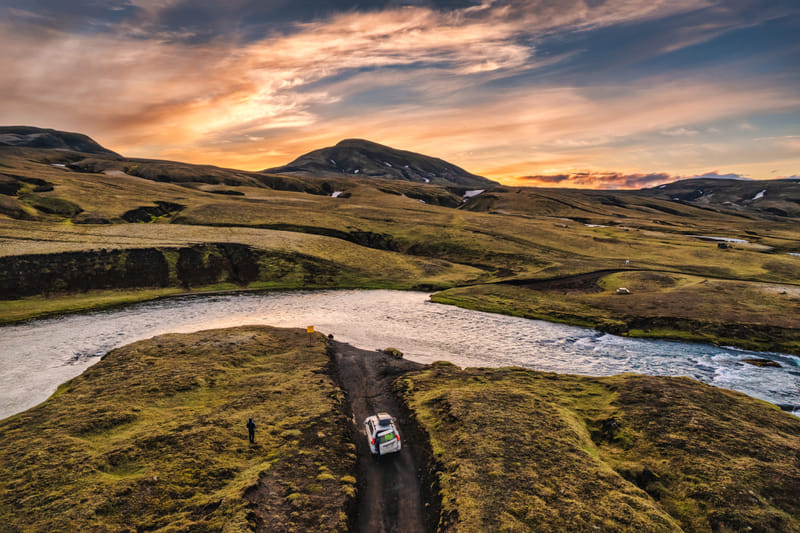
F-roads are highland mountain routes marked with an “F” prefix. These require 4x4 vehicles. Rental contracts prohibit 2WD vehicles on F-roads, and insurance will not cover you if you ignore this. F-roads typically open in late June or July and close again in September. Many require river crossings.
Speed Limits
Speed limits in Iceland are lower than many visitors expect. Urban areas allow 30-50 km/h depending on the zone. Gravel roads have an 80 km/h limit. Paved rural roads permit 90 km/h. Speed cameras are common, and fines start around ISK 15,000. The roads wind through varied scenery, so there is little reason to rush.
Choosing the Right Vehicle
2WD Compact Car
A standard compact car handles the Ring Road well in summer, along with the Golden Circle, Snæfellsnes Peninsula, and South Coast to Jökulsárlón. These vehicles are fuel-efficient and easy to park. They cannot access F-roads or highlands, may struggle in strong wind, and cannot manage river crossings. This limits itinerary options but suits many visitors.
4x4 SUV
A 4x4 SUV opens up Iceland’s interior. These vehicles are necessary for F-road access, highland routes like Kjölur and Sprengisandur, and any itinerary including Landmannalaugar. The higher clearance handles river crossings. The added weight provides stability in wind. Winter travelers should consider a 4x4 regardless of route, as snow and ice affect even main roads.
Campervan
Campervans combine transportation and accommodation. Kitchen facilities and flexibility appeal to many travelers. Cost savings on hotels can be substantial over longer trips. Campervans consume more fuel, some roads are unsuitable for larger vehicles, and wind sensitivity requires caution. Many areas have parking restrictions for overnight camping, designated campsites are often required.
Essential Driving Tips
Before You Go
Before heading out each day:
- Check road.is for current road conditions, closures, and hazards
- File travel plans at safetravel.is so rescue services know where to look
- Check weather at vedur.is (conditions change rapidly)
- Download offline maps (mobile signal disappears in many rural areas)
- Emergency number: 112
On the Road
Single-lane bridges appear frequently. The car closest to the bridge has right of way. Flash headlights to indicate you will wait. Signs reading “Einbreið brú” warn of an upcoming single-lane bridge.
Blind hills, marked “Blindhæð,” require caution. Crest slowly and keep right. Oncoming traffic or sheep may appear suddenly over the rise.
Livestock presents a particular hazard. Sheep, horses, and in the east, reindeer may be on or near roads. These animals do not understand traffic. Slow down well in advance and pass carefully. Spring lambs are unpredictable and may dart in front of vehicles.
Wind deserves attention. Iceland is extremely windy, and gusts can push small cars off course. Open car doors carefully, wind can damage or remove them. Check wind forecasts before driving, especially when crossing mountain passes or exposed coastal roads.
Gravel road driving requires adjusted technique. Reduce speed to 60-70 km/h and increase following distance. Loose gravel sprays when vehicles pass, potentially damaging windshields. Move right when meeting oncoming traffic to minimize stone spray.
F-Road and Highland Driving
What Makes F-Roads Different
F-roads are unmaintained mountain tracks. They require a high-clearance 4x4 vehicle, experience with challenging terrain, complete self-sufficiency since there are no services, and knowledge of river crossing techniques. These roads access Iceland’s interior landscapes but demand preparation.
River Crossing Guidelines
River crossings are the most dangerous aspect of F-road driving. Scout the crossing first by walking into the water to check depth and current strength. Follow existing vehicle tracks, as these show the safest route.
Cross diagonally downstream, facing into the current. Maintain steady speed through the crossing. Do not stop mid-stream, as water builds up against the vehicle. Use low gear with high RPM to keep water from entering the exhaust. Rain upstream can rapidly raise water levels, so check weather forecasts for the entire watershed.
Maximum safe wading depth for standard 4x4s is typically 40-50 cm. Never attempt to cross rivers that reach headlights or rise above wheel hubs.
Popular F-Roads
The F35, known as Kjölur, connects South to North through the interior on a moderate route that typically opens in late June. The F26, or Sprengisandur, follows a more challenging parallel route that opens in mid-July. The F208 leads to Landmannalaugar on a moderate track opening in late June. The F88 reaches Askja caldera on a challenging route also opening in late June. Conditions and opening dates vary by year depending on snow and weather.
Seasonal Considerations
Summer
Summer offers the best driving conditions. Days are longest, all roads including F-roads are accessible, and weather is relatively mild. This is also peak tourist season with higher rental prices and the need to book accommodation in advance. Extended daylight allows visiting attractions at off-peak hours when crowds thin.
Fall
Autumn brings the first Northern Lights, fewer tourists, autumn colors, and lower prices. F-roads begin closing as snow arrives. Weather becomes less predictable. Daylight decreases noticeably. This season rewards flexibility, have backup plans ready.
Winter
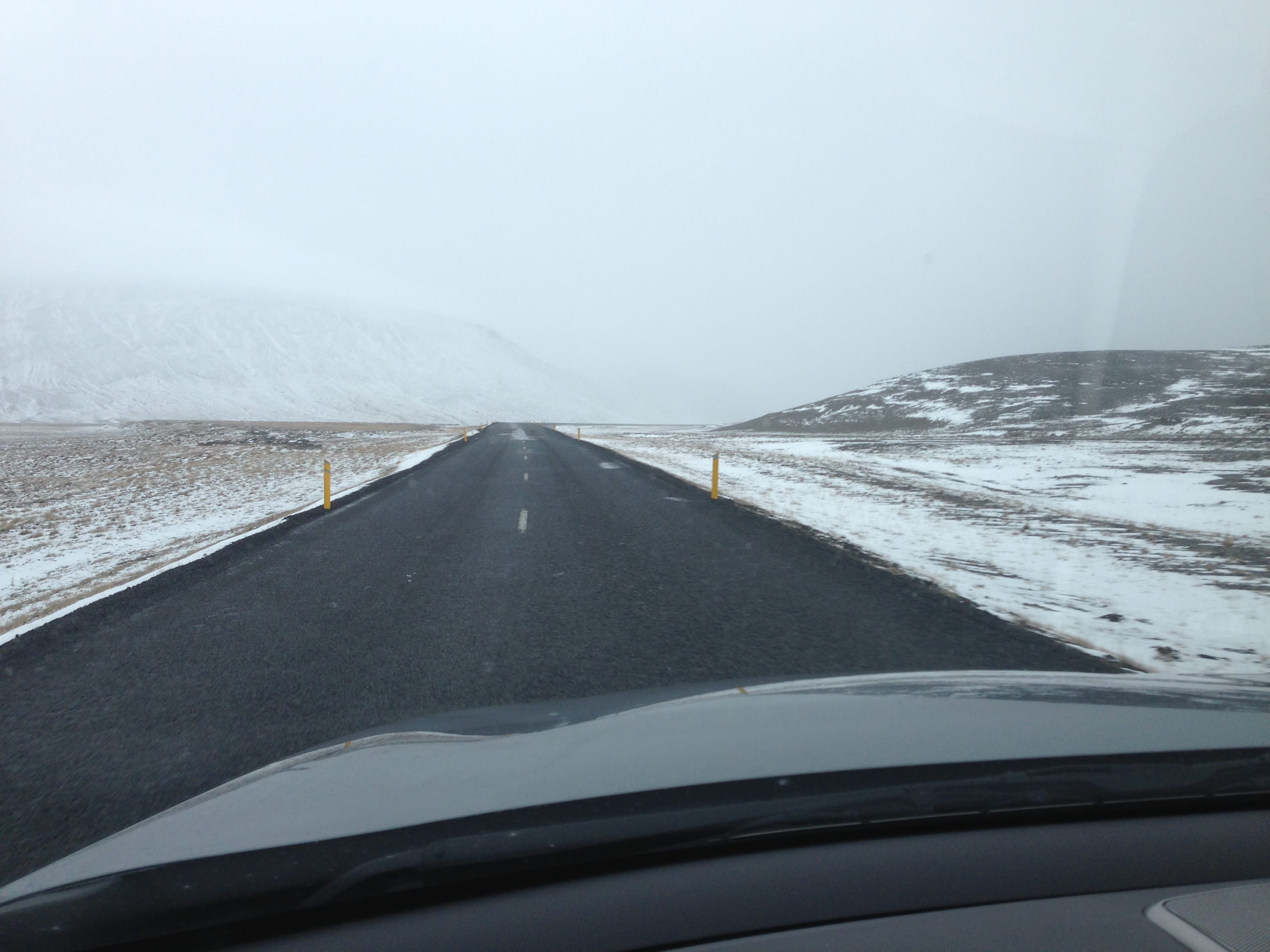
Winter driving in Iceland is not for the inexperienced. Daylight shrinks to four to six hours at the solstice. Ice and snow cover roads. Some routes close entirely. Storms can strand travelers for days. The rewards are Northern Lights at their peak, ice caves under glaciers, and winter landscapes with few other visitors.
If you drive in winter, rent a 4x4 with studded winter tires. Check road conditions constantly throughout each day. Carry emergency supplies: warm clothing, food, water, phone charger, flashlight. Know your limits and turn back if conditions worsen.
Spring
Spring brings lengthening days, fewer tourists than summer, and lower prices. Puffins arrive in May. F-roads remain closed. Conditions vary as winter transitions to summer, some roads may be snowbound while others are clear. Check conditions carefully for each part of your route.
Rental Car Tips
Insurance Options
Understanding insurance matters. CDW (Collision Damage Waiver) provides basic coverage but often leaves a high deductible, sometimes €2,000 or more. SCDW (Super CDW) reduces this deductible significantly. Gravel Protection covers windshield and body damage from flying rocks, which is common on gravel roads. Sand and Ash Protection is important near volcanic areas, where wind-blown particles can strip paint.
Full coverage is worth considering. Iceland’s conditions are unforgiving, and basic CDW deductibles can exceed the cost of upgrading coverage.
Check your contract for F-road permissions, river crossing permissions, off-road prohibition (driving off established roads is illegal), and windshield coverage details.
Vehicle Pickup
Document existing damage with photos and video before leaving the rental lot. Check tire condition. Locate the spare tire and jack. Confirm which fuel type your vehicle takes, green handles indicate diesel, black handles indicate petrol. Get emergency contact numbers for the rental company.
Fuel
Fuel stations are widely spaced in rural areas, particularly in the Westfjords and East Iceland. Fill up when your tank drops below half. Do not rely on range estimates, driving conditions in Iceland often reduce fuel efficiency. Many rural stations are unmanned and require a credit card with PIN. The app Gasvaktin shows fuel prices throughout the country.
Emergency Situations
What to Carry
What to carry in your vehicle:
- Warm clothing and blankets (even in summer)
- Food and water for unexpected delays
- Phone charger
- First aid kit
- Flashlight
- Reflective vests
- Jump cables
These supplies matter if you break down in a remote area.
If You Get Stuck
Stay with your vehicle unless shelter is clearly visible nearby. Your car provides protection from wind and is easier for rescuers to spot than a person walking. Call 112 for emergencies. Turn on hazard lights and wait for assistance. The number 1777 reaches road assistance. The number 1778 provides weather information.
Planning Your Route
Ring Road
The Ring Road circles Iceland for approximately 1,332 km, connecting Reykjavik to all major regions. Seven days is a comfortable minimum for the full circuit. Ten to fourteen days allows time for side trips and thorough exploration. The route passes near the Golden Circle, South Coast waterfalls and beaches, glacier lagoons, East Fjords, North Iceland including Akureyri and Mývatn, and provides access to Snæfellsnes Peninsula.
Golden Circle
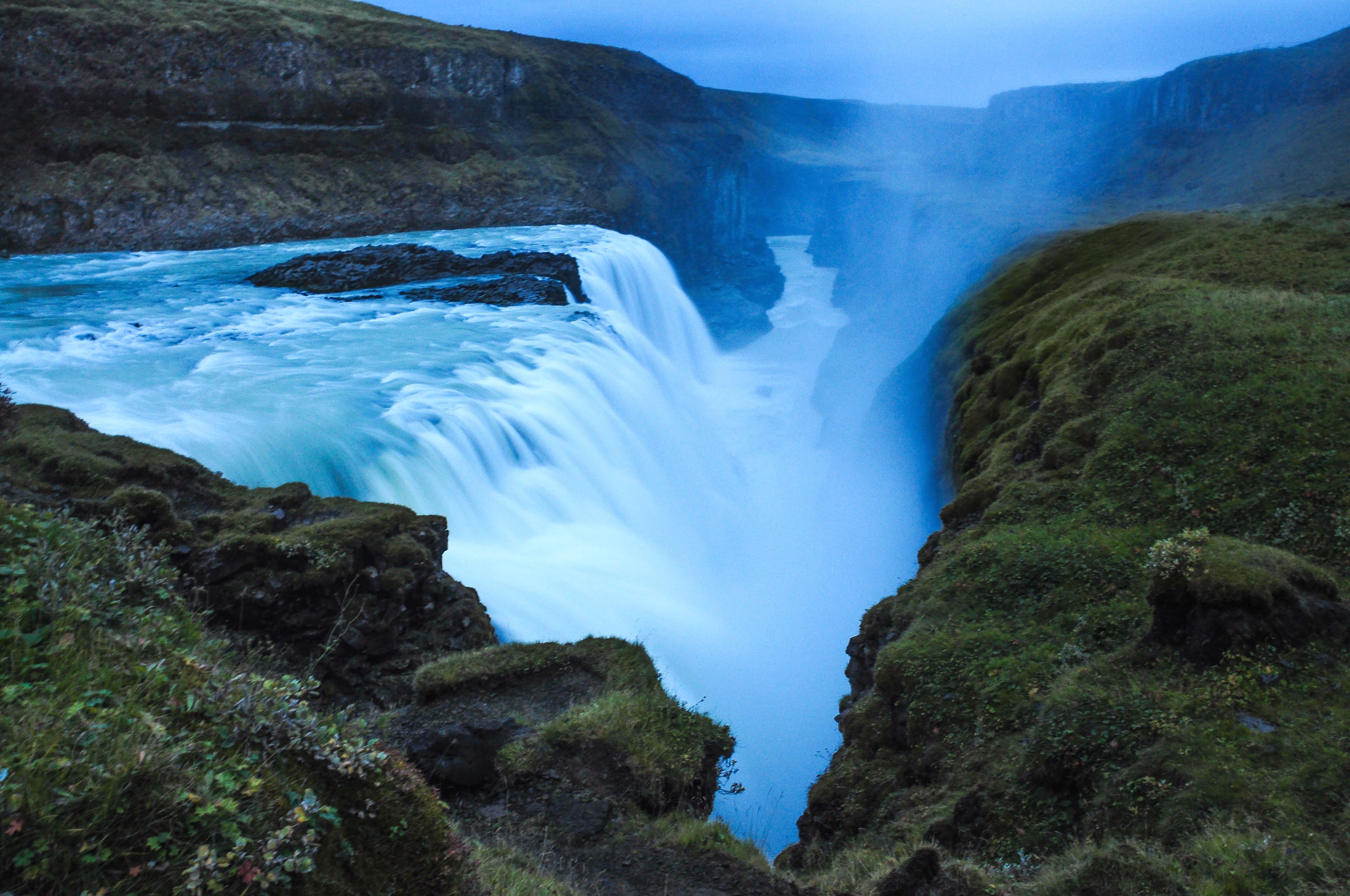
Iceland’s most popular day trip covers roughly 300 km from Reykjavik. A full day allows proper exploration, overnight stays permit more depth. The route includes Þingvellir National Park, Geysir geothermal area, and Gullfoss waterfall.
Contact us for guidance on planning your road trip, or to arrange a private driver-guide for a different kind of experience.