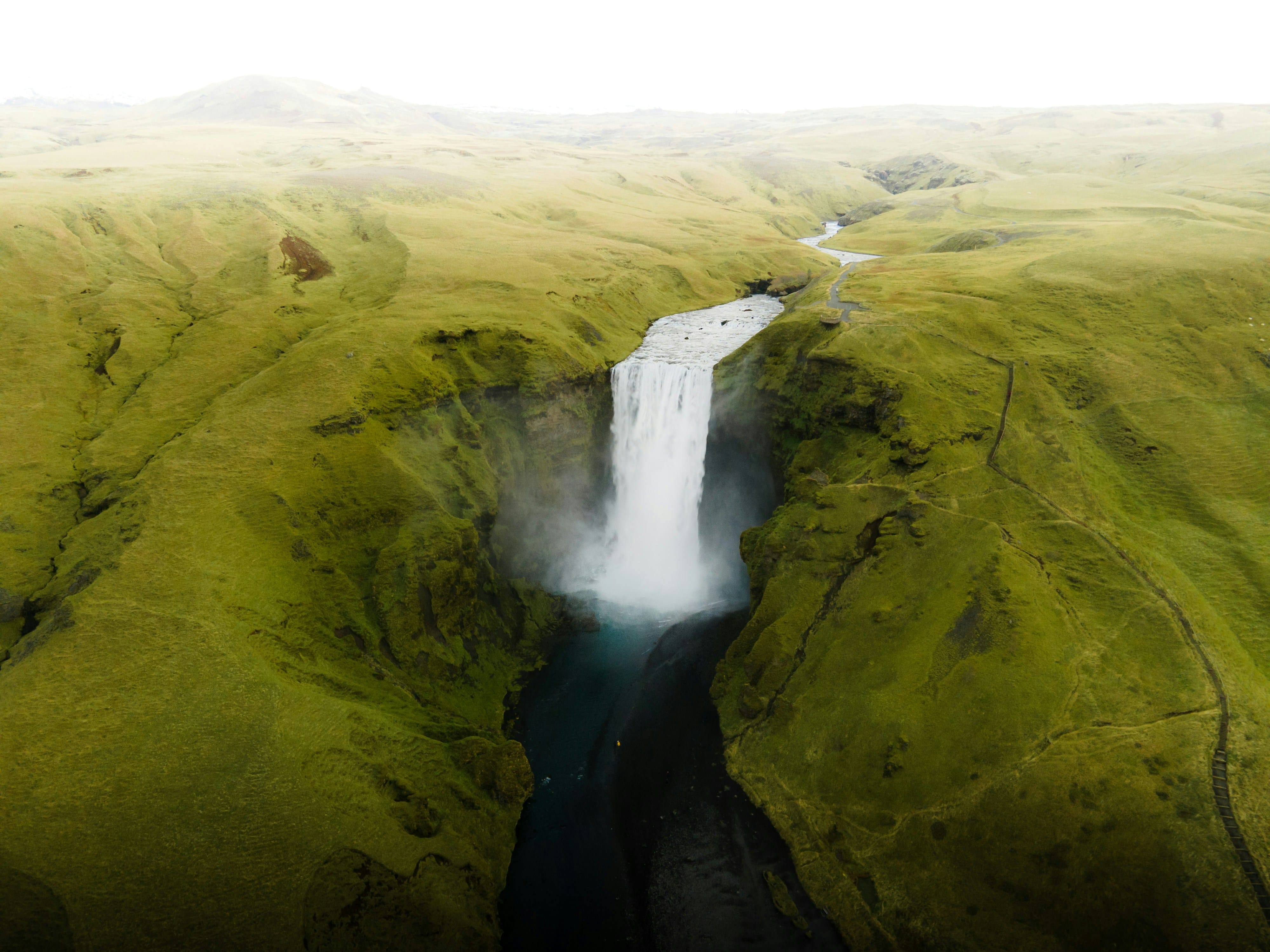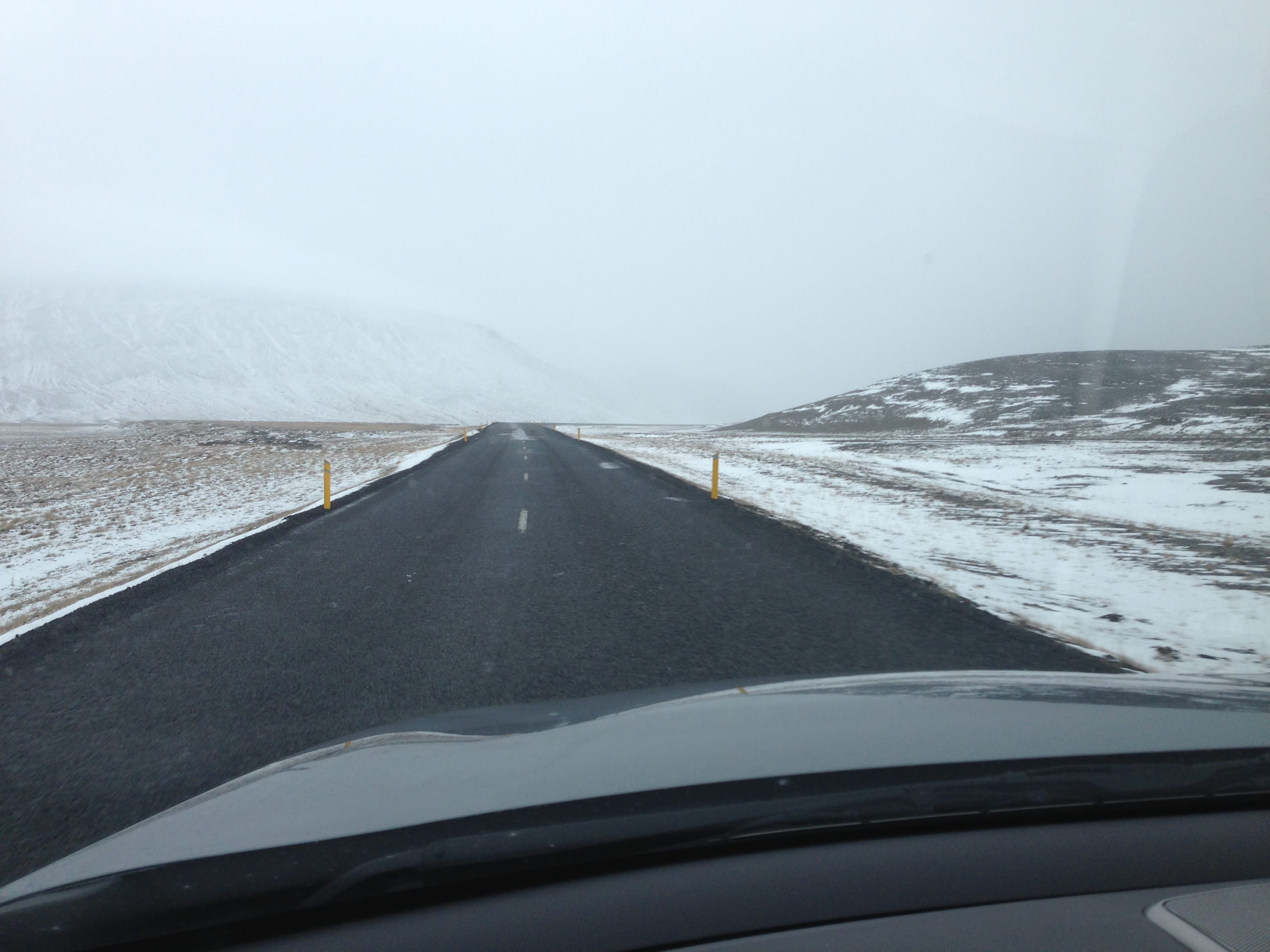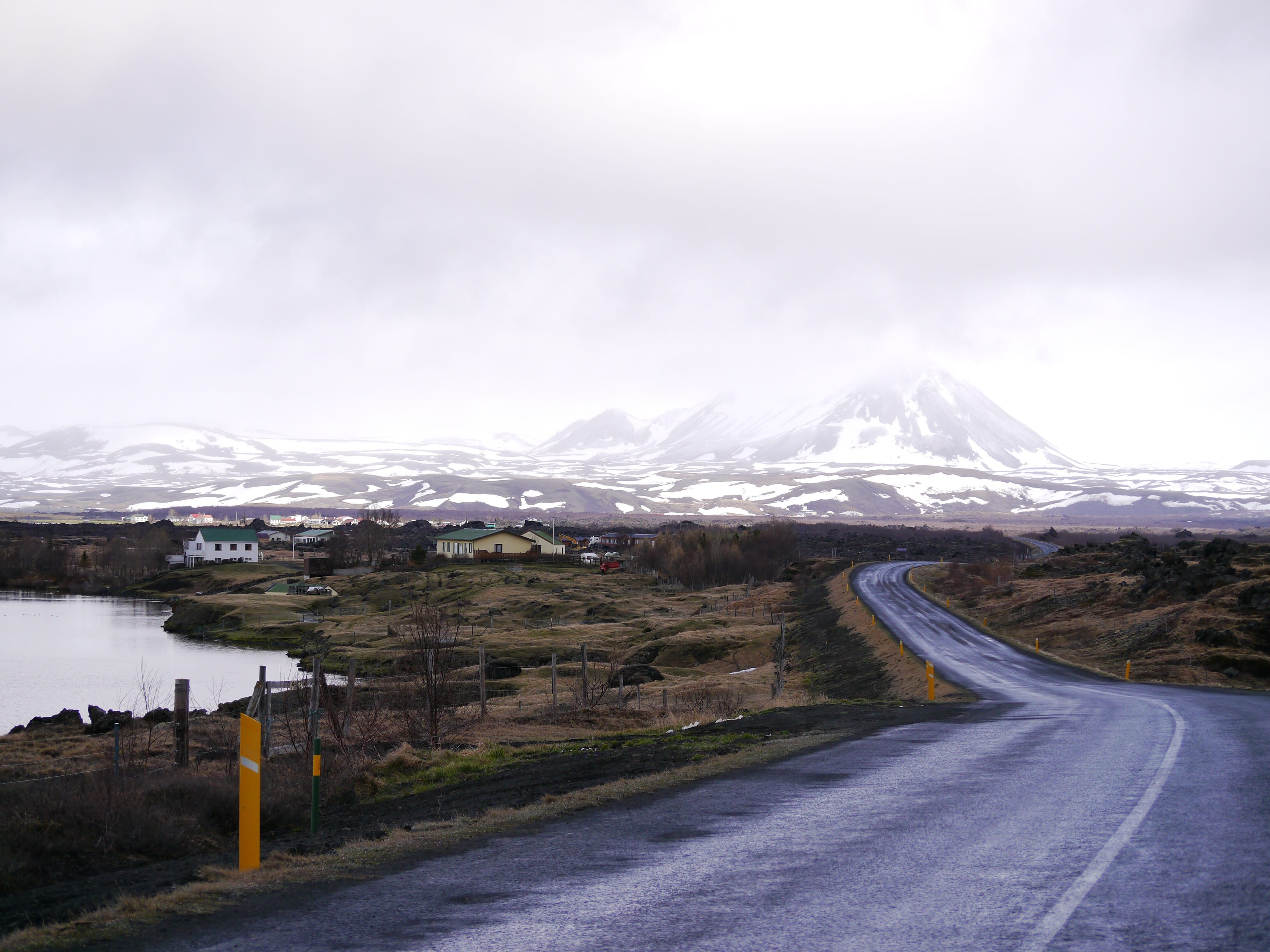
The Golden Circle is Iceland’s most visited tourist route. Within a 300-kilometer loop from Reykjavik, you can walk between tectonic plates, watch geysers erupt, and stand before one of Europe’s more powerful waterfalls. This guide covers what to expect and how to make the most of the journey.
The Main Sites
Þingvellir National Park
Distance from Reykjavik: 40 km (45 minutes) Time Needed: 1-3 hours UNESCO World Heritage Site
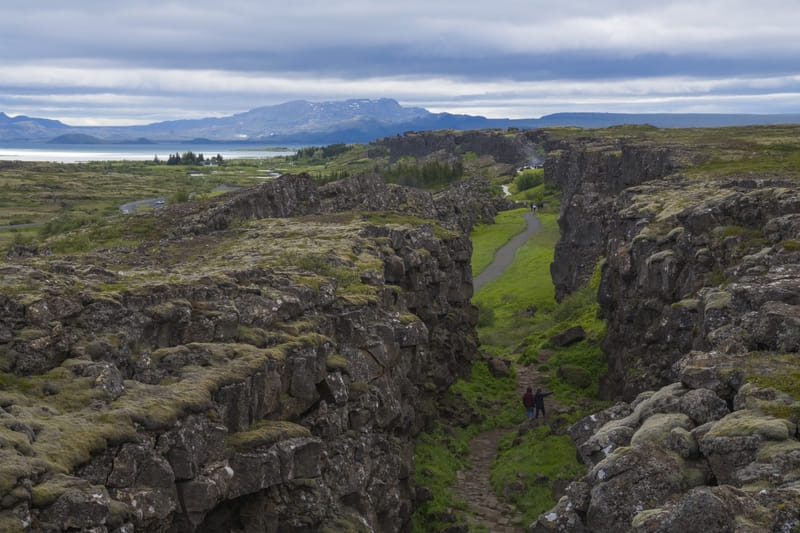
Þingvellir holds both geological and historical significance. The Althing, Iceland’s Viking-age parliament, was established here in 930 AD. The site also marks where the North American and Eurasian tectonic plates meet and slowly drift apart, creating the visible rift valley you walk through today.
The Almannagjá gorge allows you to walk between the continents along a path carved by tectonic movement. Öxarárfoss waterfall drops over basalt columns nearby. Lögberg, the Law Rock, marks where laws were proclaimed for centuries. Below the surface, the Silfra fissure contains some of the clearest water on Earth, drawing snorkelers and divers who want to swim between continents.
The site gets busy between 10 AM and 4 PM when tour buses arrive. Early morning or late afternoon visits offer quieter conditions. Multiple parking areas provide access to different sections, parking costs ISK 750.
Geysir Geothermal Area
Distance from Þingvellir: 60 km (50 minutes) Time Needed: 30-60 minutes
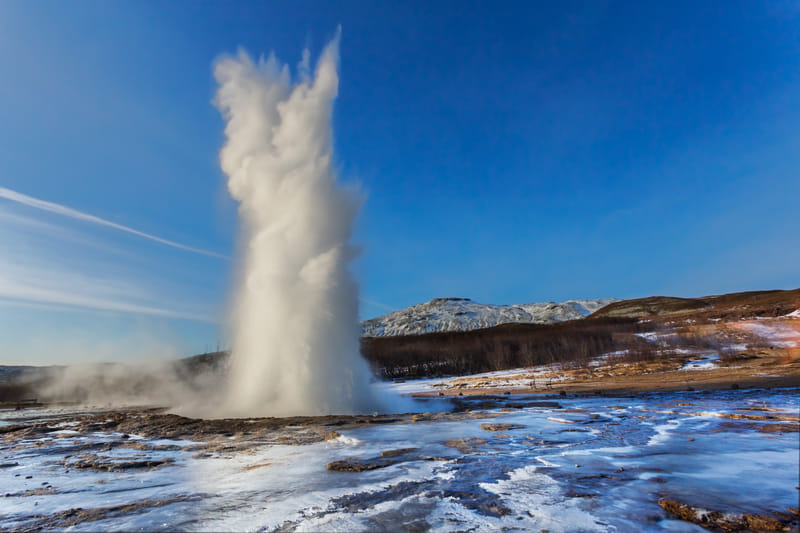
This geothermal field gave the world the word “geyser.” The original Geysir rarely erupts now, but nearby Strokkur reliably shoots water 15 to 30 meters into the air every 5 to 10 minutes. The eruption begins with a distinctive blue bubble forming at the surface before water bursts upward.
The surrounding area contains bubbling mud pots and steaming vents worth exploring. Standing upwind keeps you dry when Strokkur erupts. The intensity varies between eruptions, so watching several gives you the full range. Parking is free. A restaurant and gift shops are on-site.
Gullfoss
Distance from Geysir: 10 km (10 minutes) Time Needed: 30-60 minutes
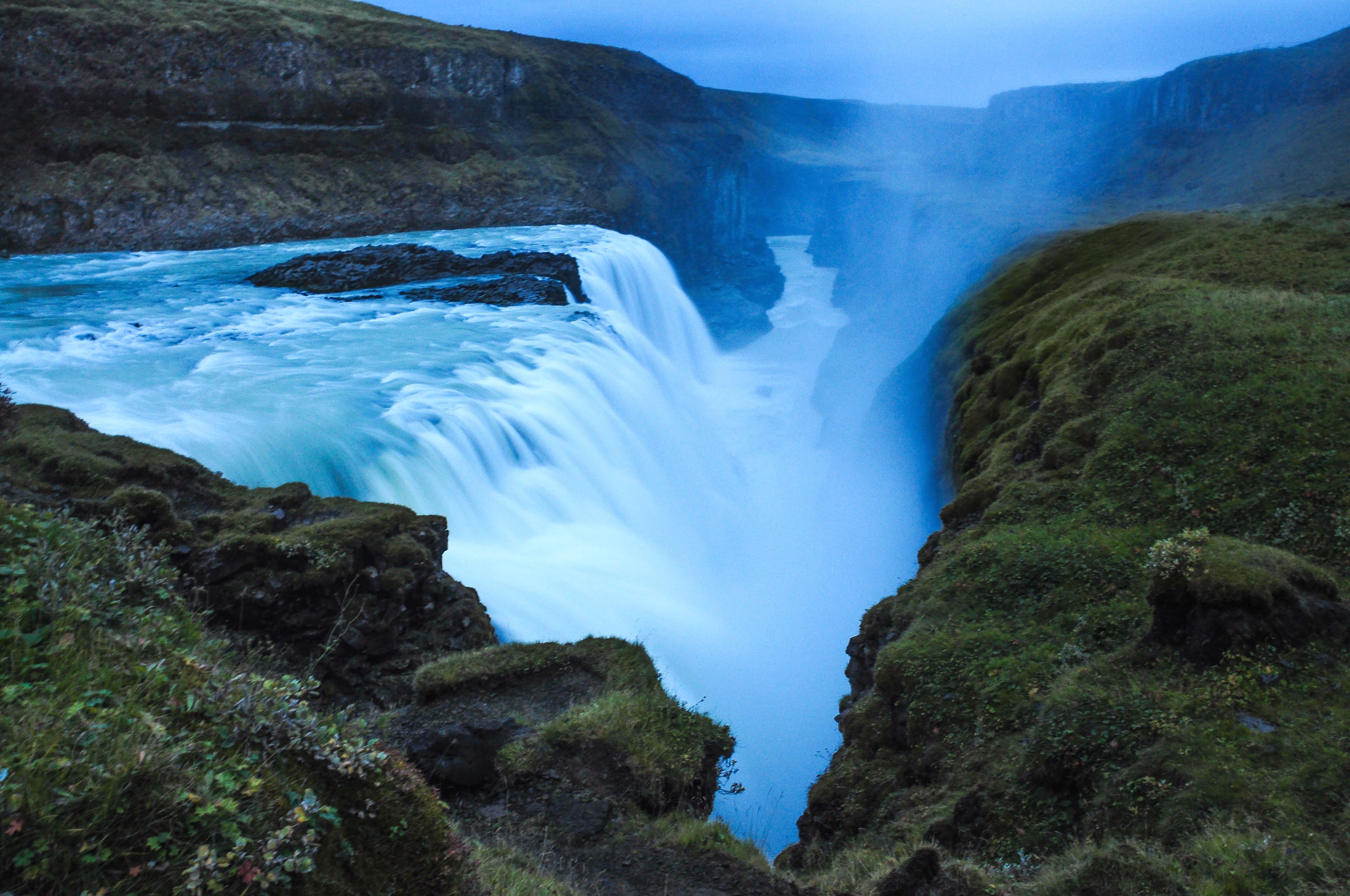
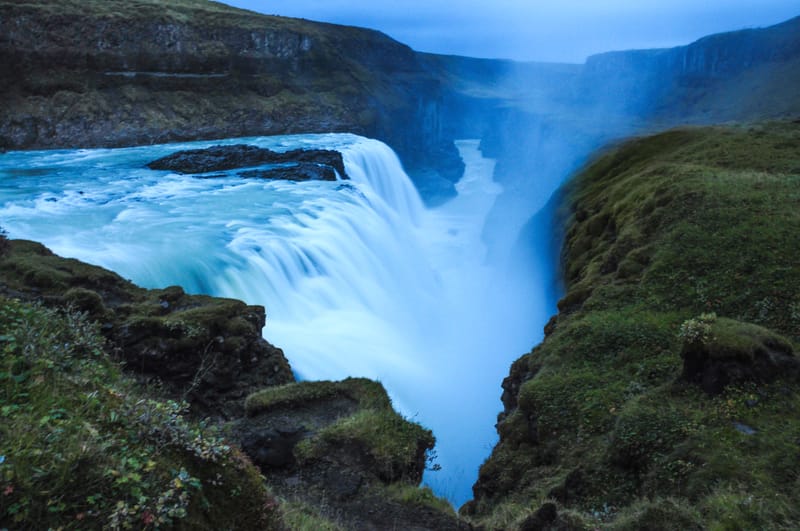
Gullfoss drops 32 meters in two stages into a deep canyon. The volume of water, especially during spring snowmelt, is considerable. The name means “Golden Falls,” referring to the golden hue the water takes on certain days.
The upper platform provides a panoramic view of both cascades. The lower platform brings you close enough to feel spray on your face, bring waterproof clothing. On sunny days, rainbows often form in the mist.
In the 1920s, Sigríður Tómasdóttir fought to prevent the falls from being dammed for hydroelectric power. Her story is told at the visitor center. Parking is free. A café and facilities are available.
Worth Adding to Your Route
Several lesser-known sites along the Golden Circle route merit stops if time allows.
Kerið Crater
Location: Between Selfoss and Geysir Time Needed: 20-30 minutes Entrance Fee: ISK 400
This 3,000-year-old volcanic crater contains a turquoise lake at the bottom. Red volcanic rock surrounds the water, creating strong color contrasts. You can walk the rim or descend to the lake’s edge.
Secret Lagoon (Gamla Laugin)
Location: Near Flúðir, slight detour from main route Time Needed: 1-2 hours
This hot spring offers bathing in a more traditional setting than the Blue Lagoon. The surrounding village of Flúðir is known for greenhouse farming using geothermal heat.
Bruarfoss
Location: Near Geysir Time Needed: 1-2 hours including 3 km hike
The color of this waterfall’s water is striking, an intense turquoise caused by glacial sediment filtering sunlight. The hike to reach it keeps crowds smaller than at roadside attractions.
Laugarvatn Fontana
Location: On Route 37 between Þingvellir and Geysir Time Needed: 1-2 hours
This geothermal spa sits on the edge of Lake Laugarvatn. Steam rooms are built directly over active hot springs. The facility also bakes traditional rye bread underground using geothermal heat.
Friðheimar
Location: Near Reykholt Time Needed: 45-60 minutes for lunch
A greenhouse restaurant where you eat among growing tomato plants. The tomato soup has unlimited refills. Reservations are recommended.
Skálholt
Location: Off Route 35 Time Needed: 30 minutes
Iceland’s most historically significant religious site, where the first bishop was consecrated in 1056. The current cathedral houses a medieval crypt. The grounds are peaceful and usually quiet.
Planning Considerations
Route Direction
Most visitors drive clockwise (Þingvellir first, then Geysir, then Gullfoss), which means following tour buses. Counter-clockwise keeps you slightly ahead of groups and positions Þingvellir for afternoon or sunset light.
Timing
The route is busiest between 11 AM and 3 PM. Early morning departures (7-8 AM) or late afternoon starts offer quieter conditions. Summer visitors can leave Reykjavik at 5-6 PM and use the extended daylight for uncrowded photography.
Duration
A rushed half-day (5-6 hours) covers the three main sites but leaves little time at each. A full day (8-10 hours) allows proper exploration plus one or two additional stops. Staying overnight in the Geysir or Flúðir area permits sunrise and sunset visits when the sites are quietest.
Getting There
Self-Driving
Self-driving provides flexibility to stop wherever interests you and to add detours. Routes are well-marked. A rental car is the only expense beyond parking fees at some sites.
Guided Tours
Tours include transport and commentary. They follow fixed schedules and typically cover only the main sites. You meet other travelers but have less control over timing.
Private Tours
Private tours combine expert guidance with flexibility. The itinerary adapts to your interests. Hidden stops and local knowledge add depth to the experience.
Seasonal Notes
Summer brings long days allowing flexible timing. The midnight sun makes late evening photography possible. This is also the most crowded season.
Winter offers Northern Lights possibilities and ice formations that add visual interest. Daylight hours are limited. Road conditions require attention.
Shoulder seasons provide good weather possibilities with fewer visitors. All sites remain open and accessible.
Extending Your Trip
The Golden Circle combines naturally with several other areas:
The South Coast continues past Gullfoss toward Seljalandsfoss, Skógafoss, and Vík.
Langjökull Glacier offers ice tunnel tours from Húsafell, accessible via the Golden Circle route.
Þjórsárdalur Valley contains additional waterfalls and historic Viking sites.
The Reykjanes Peninsula with the Blue Lagoon and volcanic landscapes connects easily on the way back to Reykjavik.
Accessibility
Þingvellir National Park:
- Visitor center fully accessible with accessible restrooms
- Paved paths along Almannagjá gorge are wheelchair accessible
- Lower Öxarárfoss viewpoint accessible via boardwalk
- Lögberg (Law Rock) viewpoint accessible
- Silfra snorkeling/diving not accessible
Geysir Geothermal Area:
- Parking area and paths around geothermal features are accessible
- Boardwalks provide stable surfaces
- Restaurant and facilities accessible
- Some uneven ground near outer features
Gullfoss:
- Upper viewing platform accessible via paved path from upper parking
- Lower platform requires stairs and is not accessible
- Accessible restrooms at visitor center
- Café accessible
Kerið Crater:
- Rim path partially accessible (uneven gravel)
- Descent to lake requires stairs
Secret Lagoon:
- Accessible changing facilities
- Pool entry via stairs with handrails
Photography Tips
Þingvellir:
- Best light: Late afternoon/evening when sun illuminates the rift walls
- Composition: Include people walking through Almannagjá for scale
- Öxarárfoss: Morning light avoids shadows; use ND filter for silky water
- Silfra: Underwater photography requires specialized waterproof equipment
Geysir:
- Strokkur timing: Position yourself upwind and watch for the blue bubble (2-3 seconds before eruption)
- Settings: Fast shutter (1/1000+) freezes water; burst mode captures peak height
- Best angle: Sun behind you illuminates the water column
- Tip: Watch 3-4 eruptions to learn the timing before shooting
Gullfoss:
- Rainbow timing: Late morning to afternoon with sun behind you
- Best angles: Upper platform for panoramic; lower for power and spray
- Winter: Ice formations add visual interest
- Protection: Waterproof camera cover essential at lower platform
General tips:
- Polarizing filter reduces glare and enhances sky throughout the route
- Golden hour in summer extends from 9 PM - midnight
- Overcast days provide even light for all sites
Contact us if you would like to arrange a private guided tour with local guides who know the timing, quieter spots, and details of these sites.