At a glance: Emergency number is 112 for all services. Check weather at vedur.is and road conditions at road.is before heading out. Register travel plans at safetravel.is for wilderness activities. Never turn your back on the ocean at black sand beaches.
Iceland’s landscapes come with real risks. Understanding and respecting these hazards ensures your trip remains memorable for the right reasons.
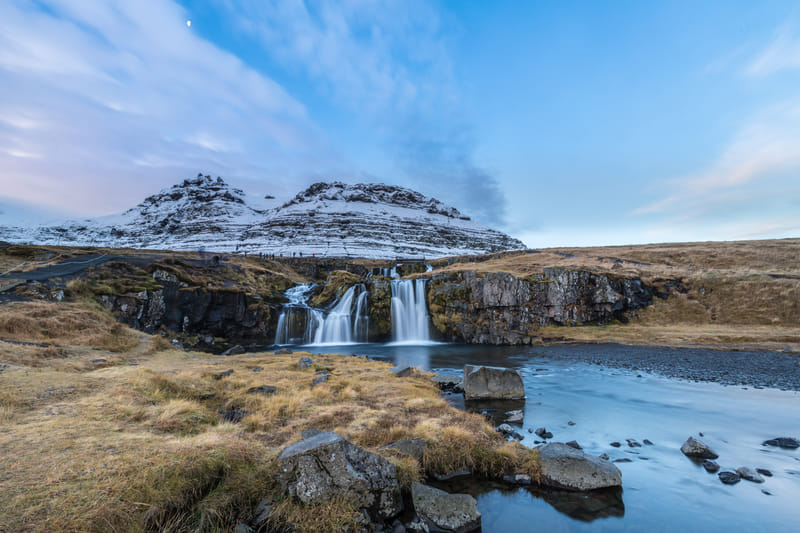
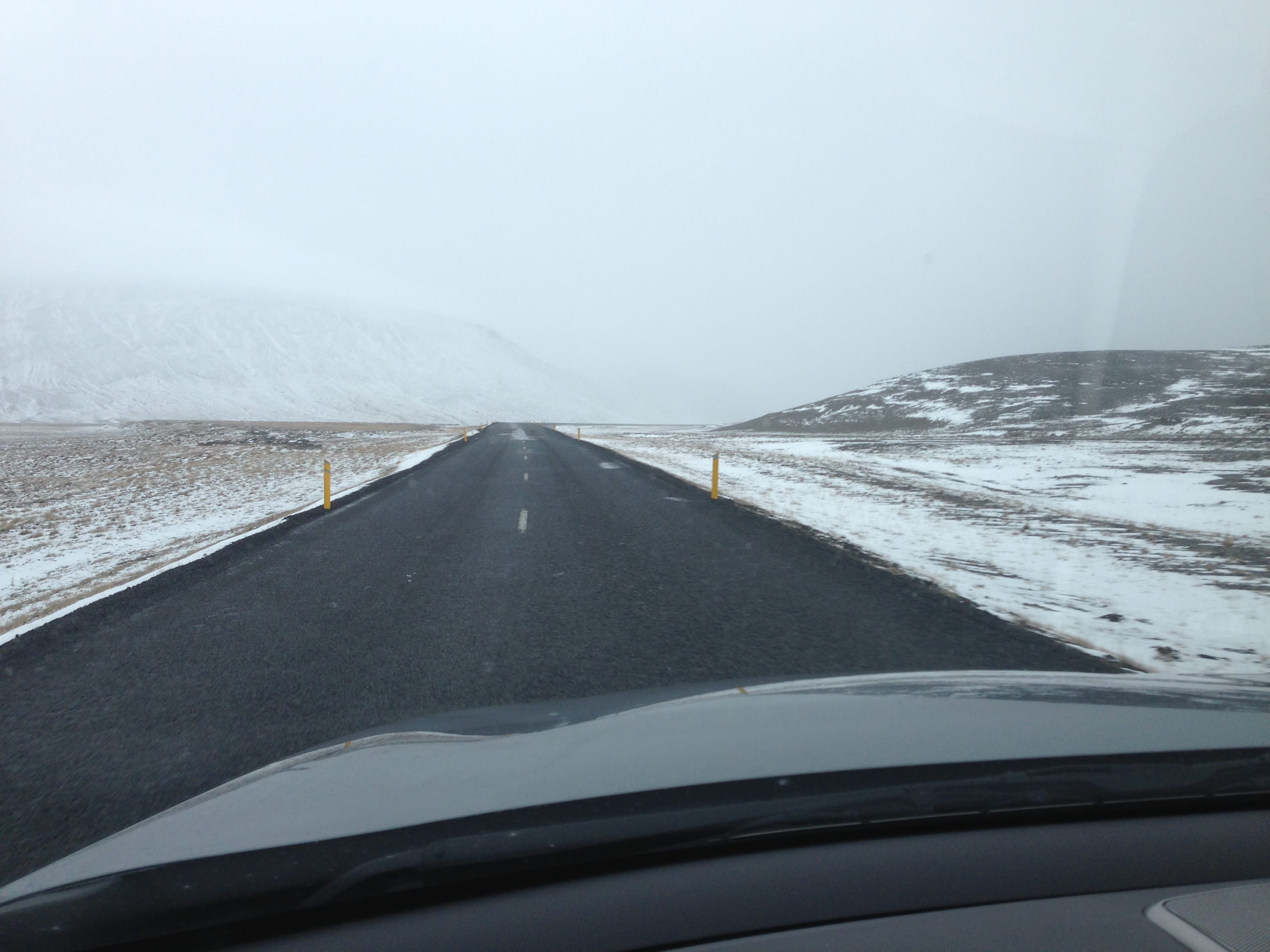
Weather in Iceland can shift from sunshine to storms within minutes. This is not merely inconvenient. It can be dangerous for unprepared travelers. Check vedur.is before heading out and again throughout the day. Layer your clothing for rapid changes. Never underestimate the wind, which can knock you down or blow you off cliffs. Be prepared for rain at any time of year. Visibility can drop suddenly in fog or storms, turning a simple hike into a serious situation.
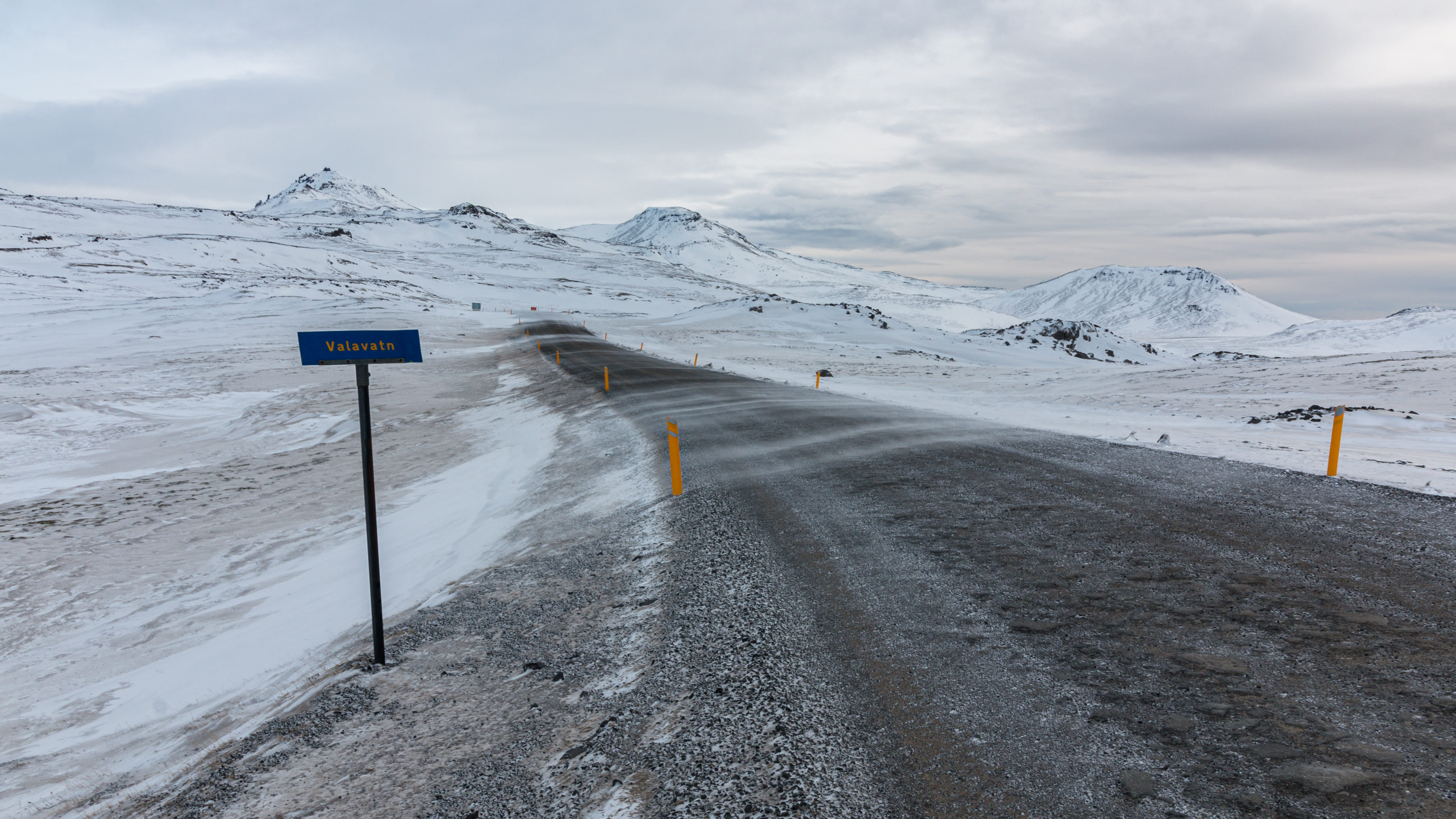
Wind deserves special attention. Iceland is extremely windy, with average speeds that would close outdoor activities elsewhere considered routine here. Wind can remove car doors if you open them carelessly. Park facing into the wind and grip doors firmly. Drones can be lost within seconds of takeoff. Light individuals, especially children, can be knocked over. In extreme cases, vehicles are pushed off roads. Avoid clifftops and exposed areas when winds are high. Be especially cautious near the ocean where gusts strengthen.
When storms are forecast, adjust your plans. Roads close quickly. Check road.is for current conditions. Flights cancel regularly. Rescue services may not be able to reach you in remote areas during severe weather.
Driving and Road Safety
Iceland’s roads demand respect and constant attention. Gravel roads cover much of the country outside main routes. Reduce speed to 60–70 km/h on gravel, increase following distance, and be aware that loose gravel can spray windshields and cause sudden skids when turning.
Single-lane bridges appear frequently, especially along the Ring Road. The car closest to the bridge has right of way. Slow down well in advance. Blind hills, marked with “Blindhæð” signs, require cresting slowly while keeping right. Livestock or oncoming vehicles may appear suddenly over the rise.
Sheep wander freely and do not understand traffic. Lambs are particularly unpredictable and may run toward vehicles. Slow down when animals are near.
Winter conditions demand extra preparation. Rent a 4x4 with studded tires. Check road.is frequently throughout each day. Carry emergency supplies: warm clothes, blankets, food, water, phone charger, flashlight, first aid kit. Know your limits. If conditions worsen, it is best to turn back.
Highland F-roads are unmaintained mountain tracks requiring a 4x4 vehicle, experience with challenging terrain, and complete self-sufficiency. Rental contracts specifically require 4x4s for these roads. River crossings have claimed vehicles and lives when drivers underestimated conditions.
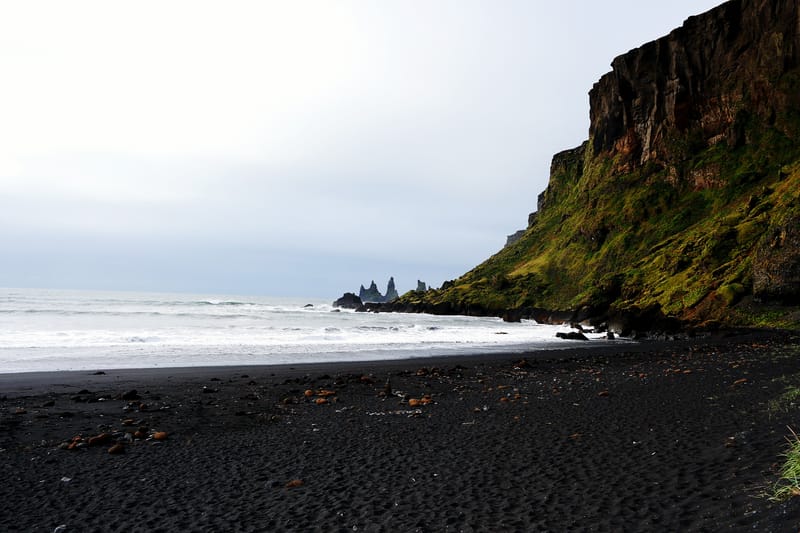
Beach and Water Safety
Iceland’s beaches, particularly Reynisfjara, have claimed lives due to sneaker waves. These are sudden surges that reach far up the beach without warning. These waves can knock adults off their feet and drag them into frigid, turbulent water.
Never turn your back on the ocean. Stay on dry sand. Wet sand indicates where waves have reached. Watch wave patterns for several minutes before approaching the water’s edge. Keep children close and within reach. Iceland’s ocean temperature ranges from 2–10°C year-round. Submersion causes cold shock with uncontrollable gasping, rapid incapacitation, and hypothermia. Swimming in the ocean is not advised except in designated areas with safety personnel.
Hiking Safety
Check weather before every hike. File travel plans at safetravel.is so rescue services know your intended route if you fail to return. Tell someone your plan and expected return time. Download offline maps. Cell coverage is limited in many areas. Pack gear for conditions worse than the forecast; weather changes fast.
For any serious hike, bring:
- Waterproof jacket and pants
- Warm layers
- Sturdy boots
- Hat and gloves
- Map or GPS
- First aid kit
- Food and water
- Emergency shelter or bivvy bag
- Charged phone
- Headlamp
Conditions can deteriorate quickly, and proper gear makes the difference between inconvenience and emergency.
Never walk on glaciers without a certified guide. Hidden crevasses covered by thin snow bridges can collapse without warning. What looks solid may be a 30-meter drop. Guides use ropes, harnesses, and rescue equipment.
Highland river crossings can be dangerous. Scout crossings first. Check weather upstream. Rain miles away can raise water levels. Cross in groups linked together, facing upstream at an angle. Use poles for support. Never cross if water reaches above your waist.
Geothermal Safety
Natural hot springs vary from comfortably warm to scalding. Always test temperature before entering fully. Never assume one pool is like another. Watch for hot runoff streams between pools. Never put your head underwater in natural springs. Dangerous amoebas can be present.
Active geothermal zones like Námaskarð at Mývatn require particular caution. Stay on marked paths at all times. Thin crust can collapse into boiling water beneath. Temperatures reach 100°C just below the surface. Toxic gases accumulate in low-lying areas, especially on calm days.
Wildlife
During nesting season from May through August, Arctic terns aggressively defend their nests by dive-bombing anyone who approaches. They aim for heads and can draw blood. Great skuas are larger and hit harder. Stay on marked paths to avoid nest areas. Consider wearing a hat.
Observe seals from a distance without approaching them on beaches. Whale watching tours maintain appropriate distances. Never attempt to swim toward marine mammals.
Emergency Resources
The number 112 connects you to police, ambulance, fire services, and rescue teams. Iceland has excellent rescue services, but response times in remote areas can stretch to hours. Prevention is far better than rescue.
Check road conditions at road.is. Check weather at en.vedur.is. File travel plans at safetravel.is before wilderness activities. For non-emergency medical advice, call 1770.
Travel insurance is essential. Iceland is expensive, and medical care for tourists is not free. Ensure your policy covers medical emergencies, evacuation, and any activities like glacier hiking.
Iceland’s moss takes decades to recover from damage. A single footprint can leave a scar for years. Stay on trails. Never drive off-road; it’s illegal and destructive. Respect all barriers and signs.
Contact us for guidance on planning safe Iceland adventures.