At a glance: Check vedur.is for forecasts and weather warnings. Summer temperatures reach 10 to 15°C; winter hovers around -1 to 4°C. Wind is constant and significant. Rain is possible any time of year. Layer your clothing, as conditions change rapidly.
“If you don’t like the weather in Iceland, wait five minutes.” This local saying captures the essence of Icelandic weather. It is unpredictable, changeable, and never boring.
Despite its name, Iceland isn’t as cold as you might expect. The Gulf Stream moderates temperatures, making winters milder than interior Canada or Scandinavia at similar latitudes. The key characteristics are extreme variability with conditions that can change within minutes, constant and significant wind, rain possible any time of year, and daylight that varies dramatically by season.
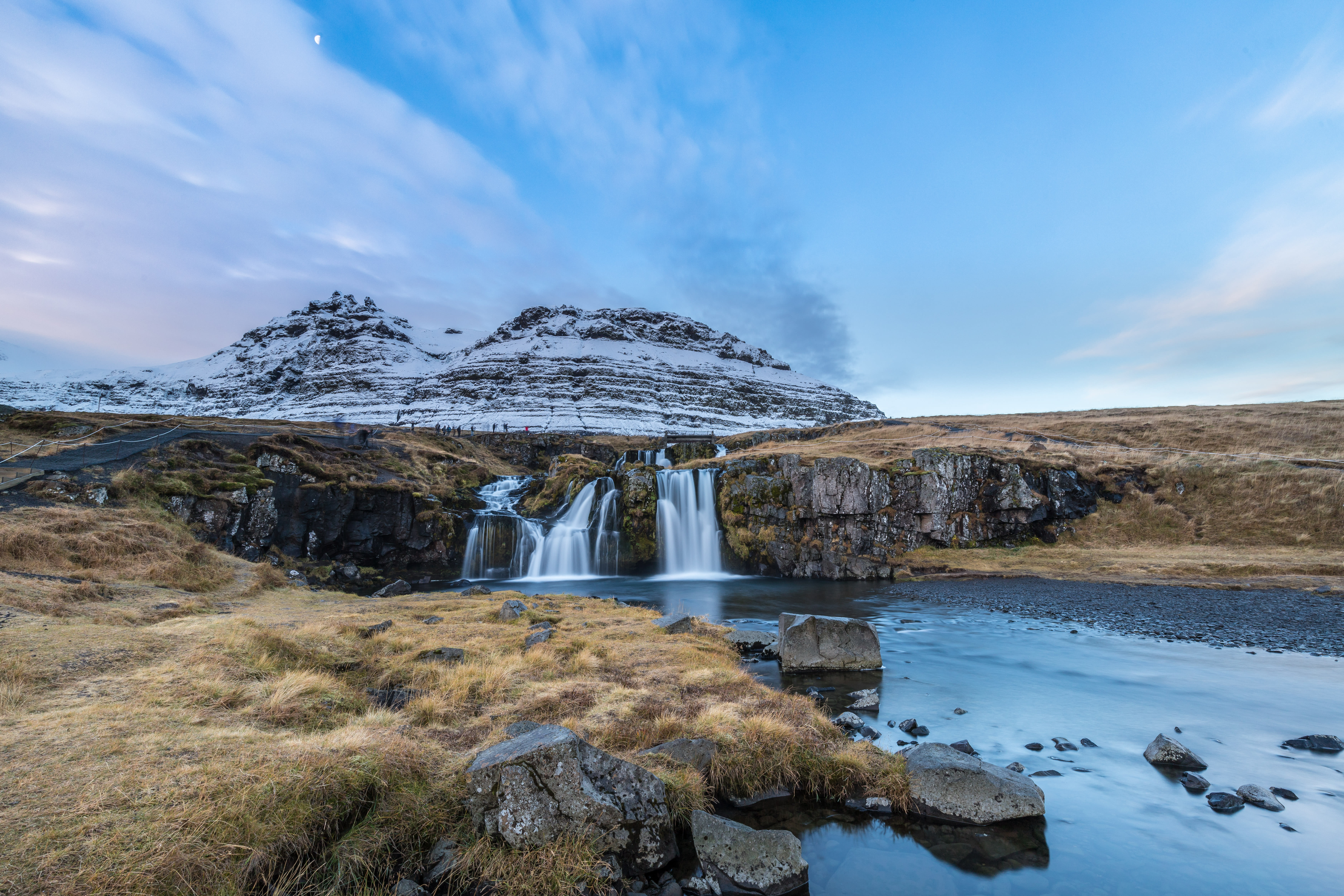
Summer runs from June through August. Temperatures reach 10 to 15°C, occasionally climbing to 20°C on warm days. Daylight stretches to 20–24 hours, with the midnight sun around June 21. This is the least rainy season, though rain remains possible. All roads and highland tracks open. The weather is as good as it gets, but “good” is relative. You will still need warm layers and rain gear.
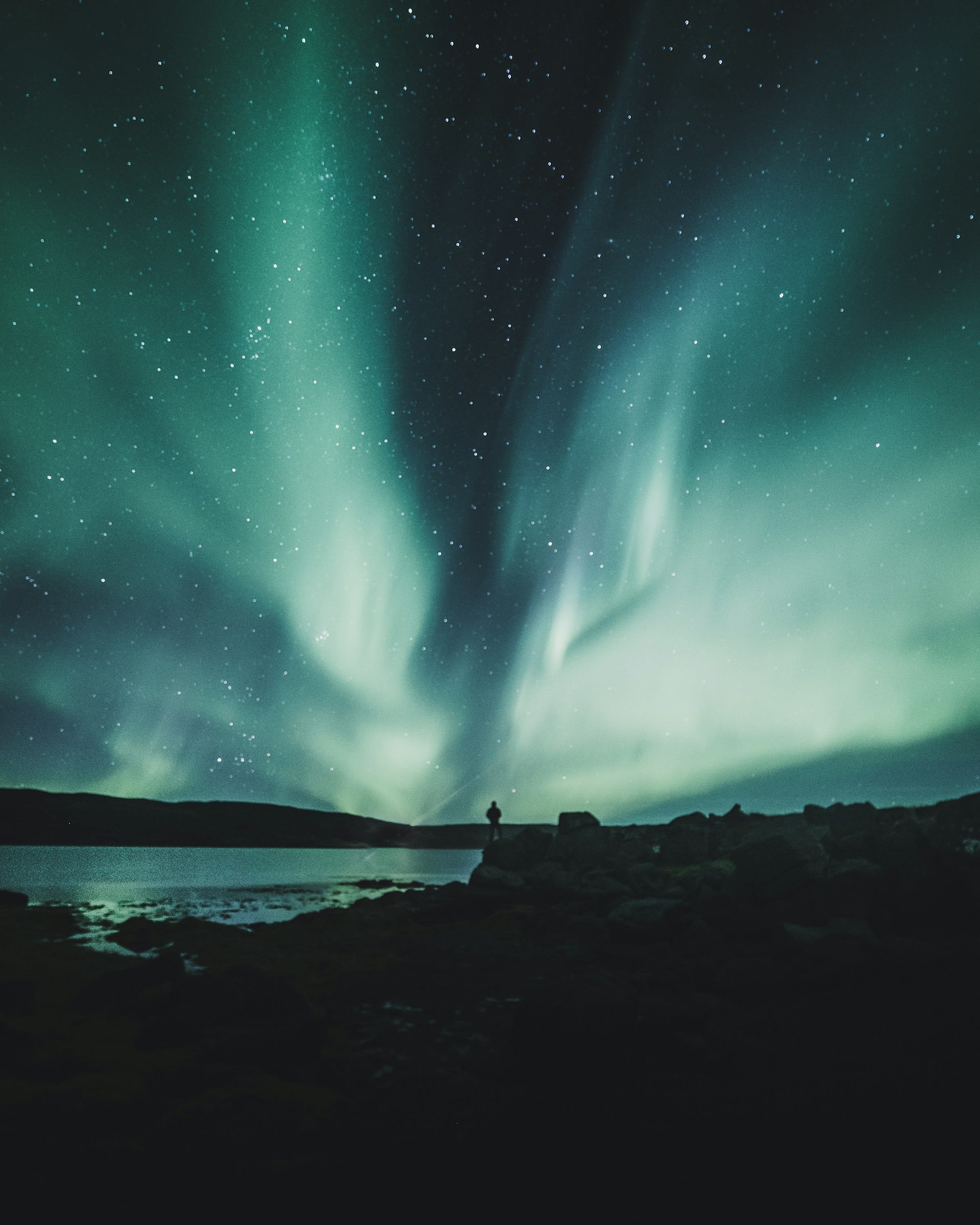
Fall spans September and October. Temperatures drop to 5 to 10°C. Daylight decreases from 16 hours to 12. Rain and wind increase, with storms becoming more common. The Northern Lights appear as nights return. Highland roads begin closing. Weather becomes more unpredictable, and more dramatic for photography.
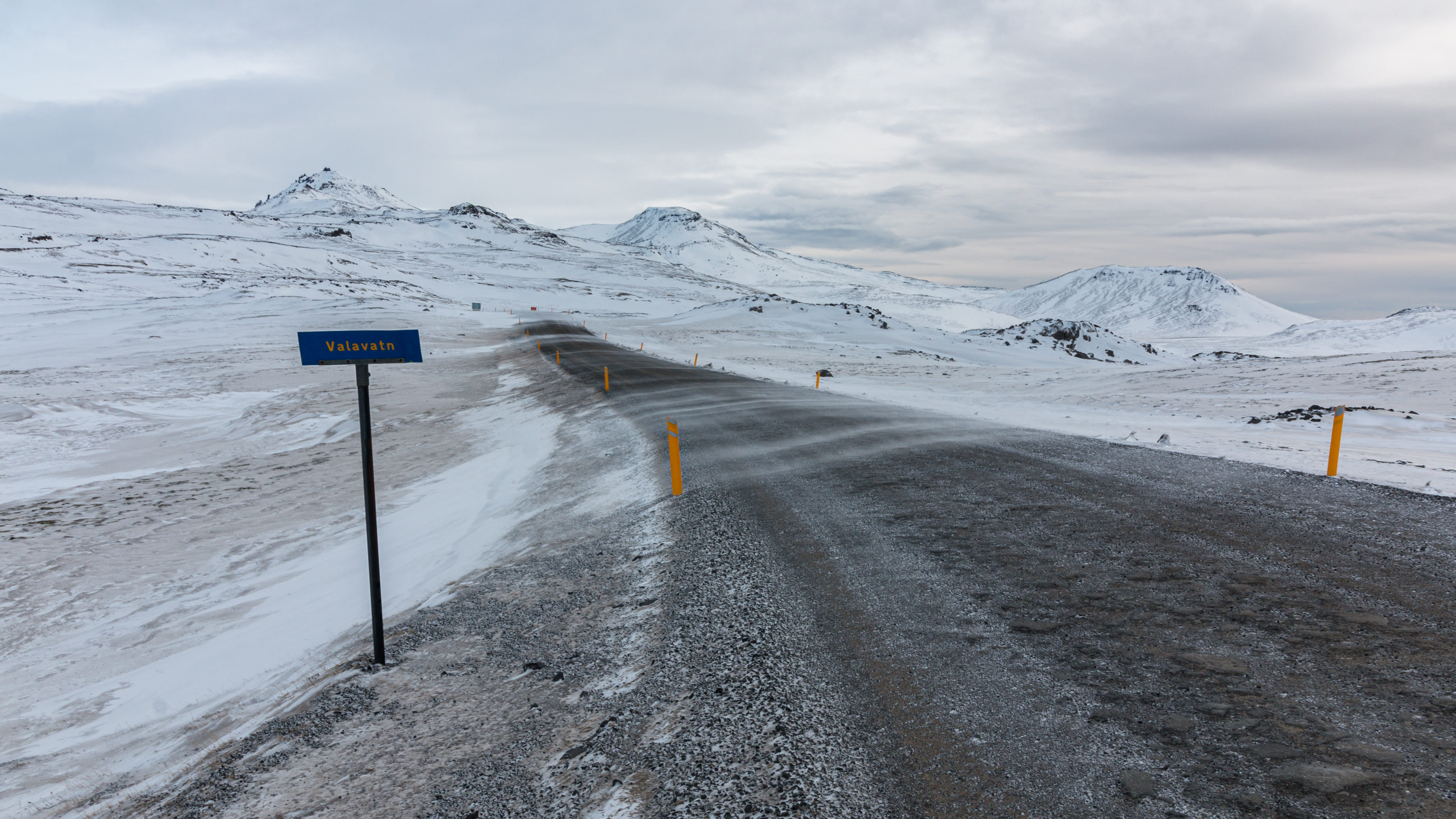
Winter stretches from November through February. Temperatures hover between -1 and 4°C on the coast, though storms can bring much colder conditions. Daylight shrinks to 4–7 hours depending on the month. Snow, rain, and ice are common. This is Northern Lights prime season, and ice caves become accessible. Some roads close during storms, and driving requires caution.
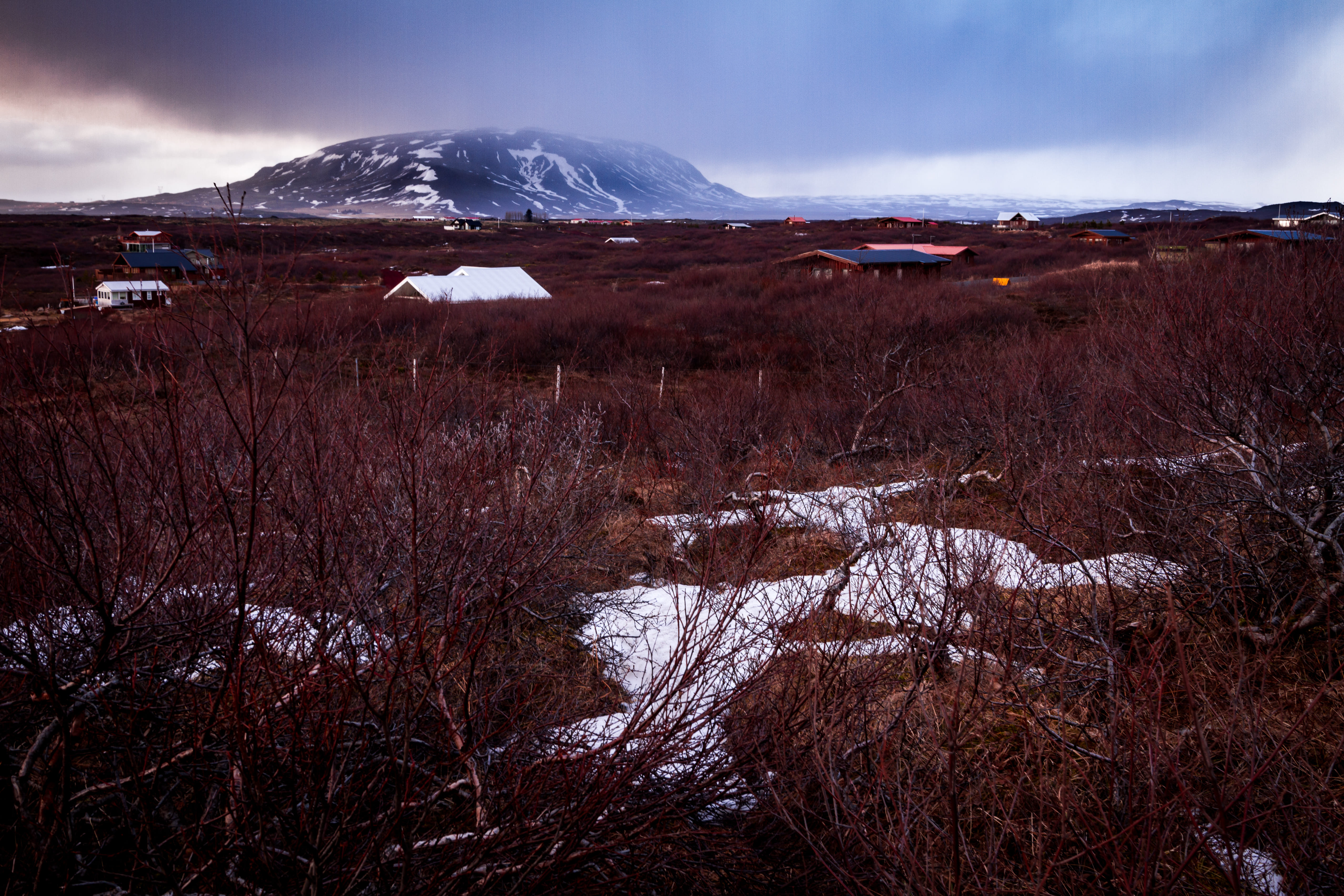
Spring arrives in March and lasts through May. Temperatures range from 2–8°C. Daylight increases rapidly, gaining minutes each day. Weather swings between winter and summer conditions, sometimes within the same day. The last Northern Lights appear in March. Puffins begin arriving in May. Highland roads start opening in late May or June.
Regional Differences
The south and southwest, including Reykjavik and the South Coast, see the mildest temperatures but also the most precipitation and wind. The area remains generally accessible year-round.
The north, including Akureyri and Mývatn, has more stable weather than the south, with colder winters, less overall rain, and more snow.
The east experiences a more continental climate with less wind, colder winters, and more sunshine.
The Westfjords see dramatic weather changes, heavy winter snowfall, and many road closures. This remote peninsula has some of the most challenging conditions.
The Icelandic Meteorological Office at vedur.is provides detailed forecasts by region, wind speeds and direction, Northern Lights predictions, and weather warnings. The site is essential for trip planning.
Wind is Iceland’s defining weather feature. Forecasts show speed in meters per second. Multiply by 3.6 for kilometers per hour. Light breezes run 0–5 m/s. Moderate wind is 5–10 m/s. Strong wind reaches 10–15 m/s. Very strong is 15–20 m/s. Storm conditions begin at 20+ m/s. Gusts are often much stronger than average speeds.
Weather warnings are color-coded: yellow means be aware of unusual weather, orange means be prepared for dangerous conditions, red means take action during extreme conditions.
Dressing for Iceland
The layering principle is essential. Your base layer, next to skin, manages moisture. Merino wool or synthetic materials wick sweat away. Your mid layer provides insulation. Fleece or down traps warm air. Your outer layer protects against wind and rain. A waterproof, breathable shell is critical.
Essential items:
- Waterproof windproof outer jacket
- Waterproof pants
- Warm hat and gloves
- Multiple layers you can add or remove
- Sturdy waterproof footwear
A useful rule: if you’re comfortable when you start walking, you’re overdressed.
Weather affects all activities. For driving, check road.is for conditions. High winds can close bridges and mountain passes. For hiking, turn back if conditions deteriorate, and remember that mountain weather differs from lowlands. For Northern Lights, you need clear skies, so check the aurora forecast alongside cloud cover. For whale watching, tours operate year-round but may cancel in bad weather, with rougher seas in winter.
Some common assumptions prove wrong. Iceland is not always cold. Summer temperatures often reach 15°C, occasionally 20°C. Winter is not unbearable. Coastal areas are milder than many parts of Canada or the northern United States. It does not rain constantly. Reykjavik gets less rainfall than Seattle, New York, or London. Winter offers some of Iceland’s best experiences, including Northern Lights and ice caves.
Whatever season you visit, Iceland’s weather adds to the adventure. Contact us for help planning around optimal conditions.