At a glance: Summer (June–August) offers the best weather and access, but the highest prices and crowds. Winter (November–February) brings Northern Lights and ice caves but limited daylight and road closures. Shoulder seasons balance the trade-offs.
When is the best time to visit Iceland? The honest answer: it depends on what you want to experience. Each season offers something different, and the “best” time is the one that aligns with your priorities.
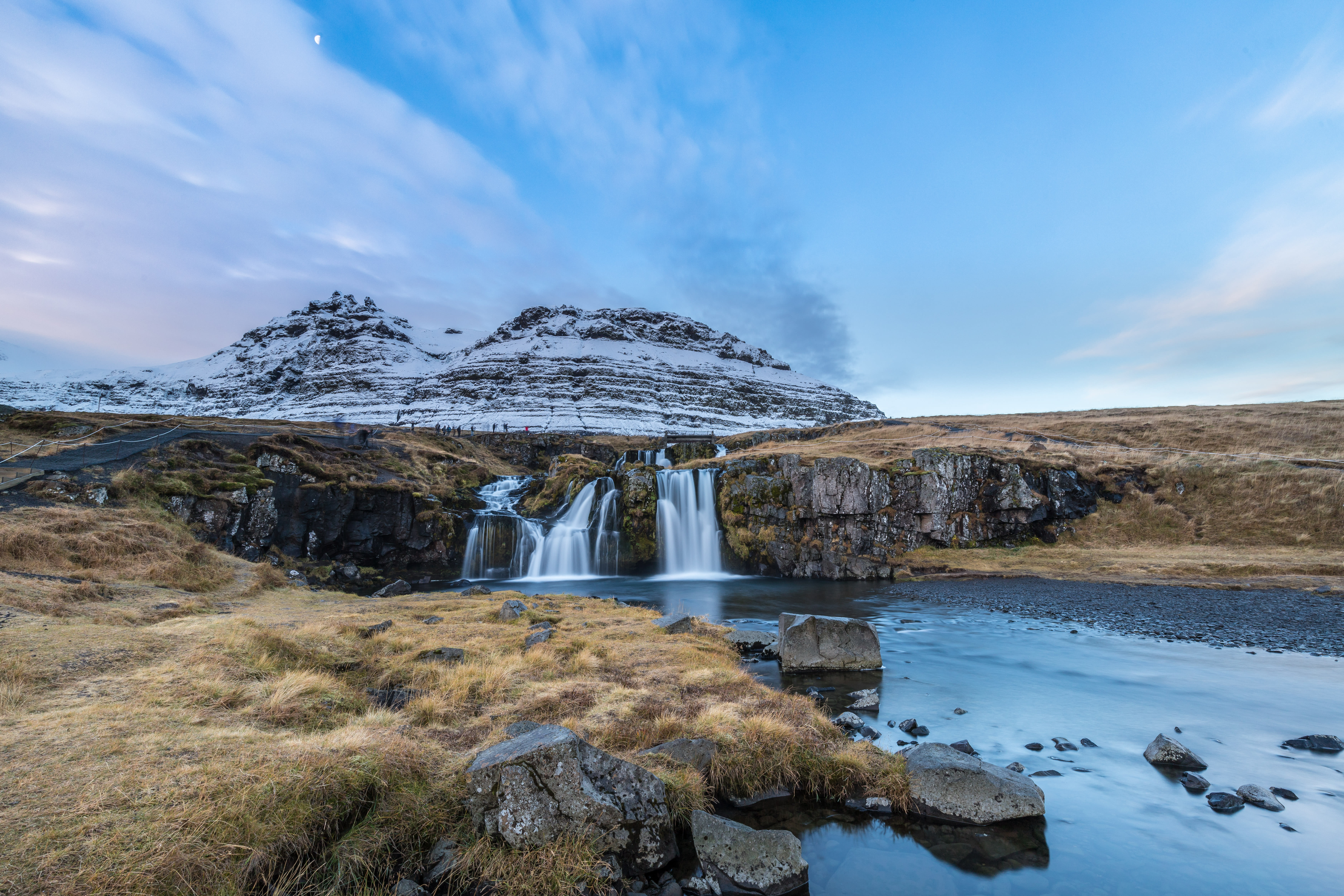
Summer runs from June through August. Days stretch to 20–24 hours, the midnight sun making it possible to photograph waterfalls at 1 AM in golden light. All roads open, including the highland F-roads that access the interior. Temperatures reach 10–15°C, occasionally climbing to 20°C on warm days. This is when puffins nest on coastal cliffs and whales feed abundantly in nutrient-rich waters.
Summer is also peak season. Prices are highest, popular sites are crowded, and accommodations book months in advance. If you want to drive the Ring Road without planning around road closures, or hike the highlands without snow, summer is your window. First-time visitors often find it the easiest season to navigate.
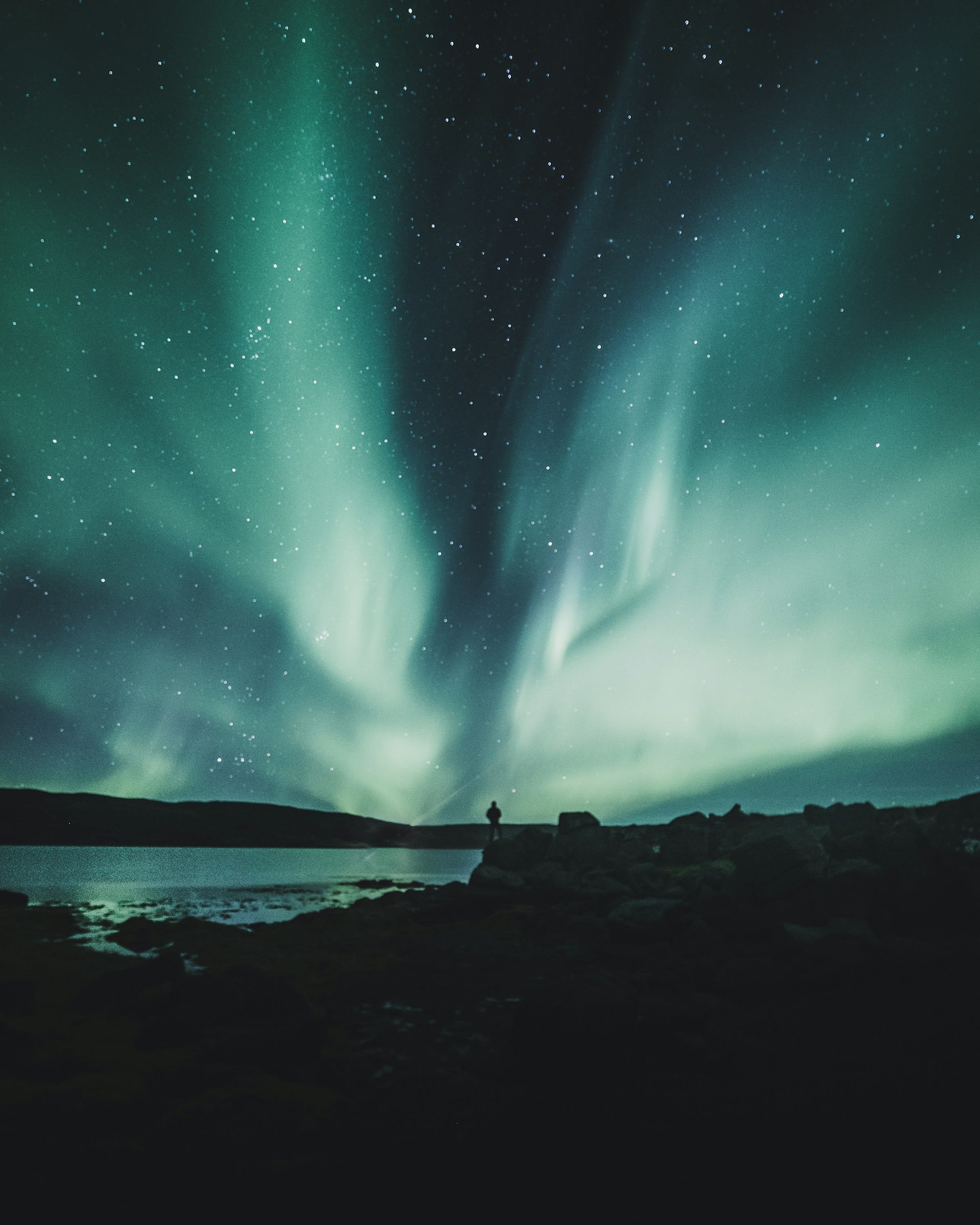
Fall arrives in September and lingers through October. The Northern Lights begin appearing as nights return after summer’s endless daylight. Crowds thin noticeably. Autumn colours (limited but present) touch the landscape. Weather becomes more unpredictable, with increasing rain and wind. Highland roads begin closing as conditions deteriorate.
September offers a compelling balance: reasonable weather, Northern Lights, and fewer tourists than summer. October brings better aurora viewing but more challenging conditions. The feeling of the country changes. It becomes quieter, more dramatic, more exposed.
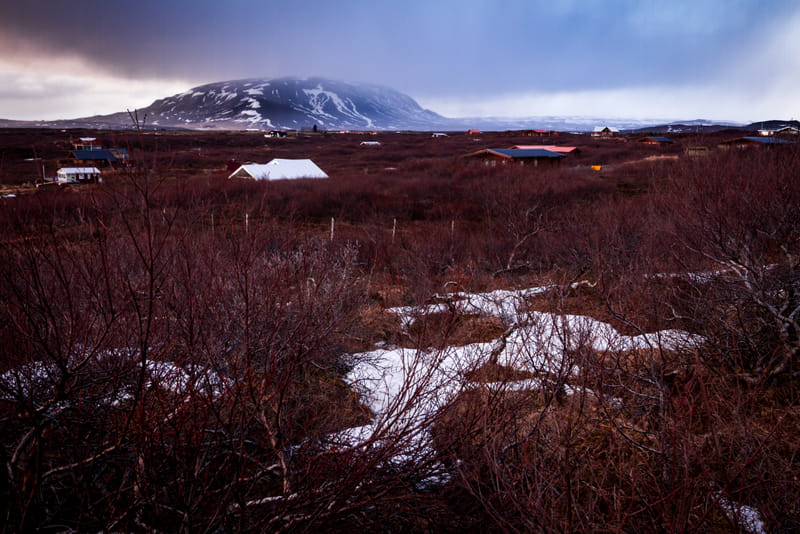
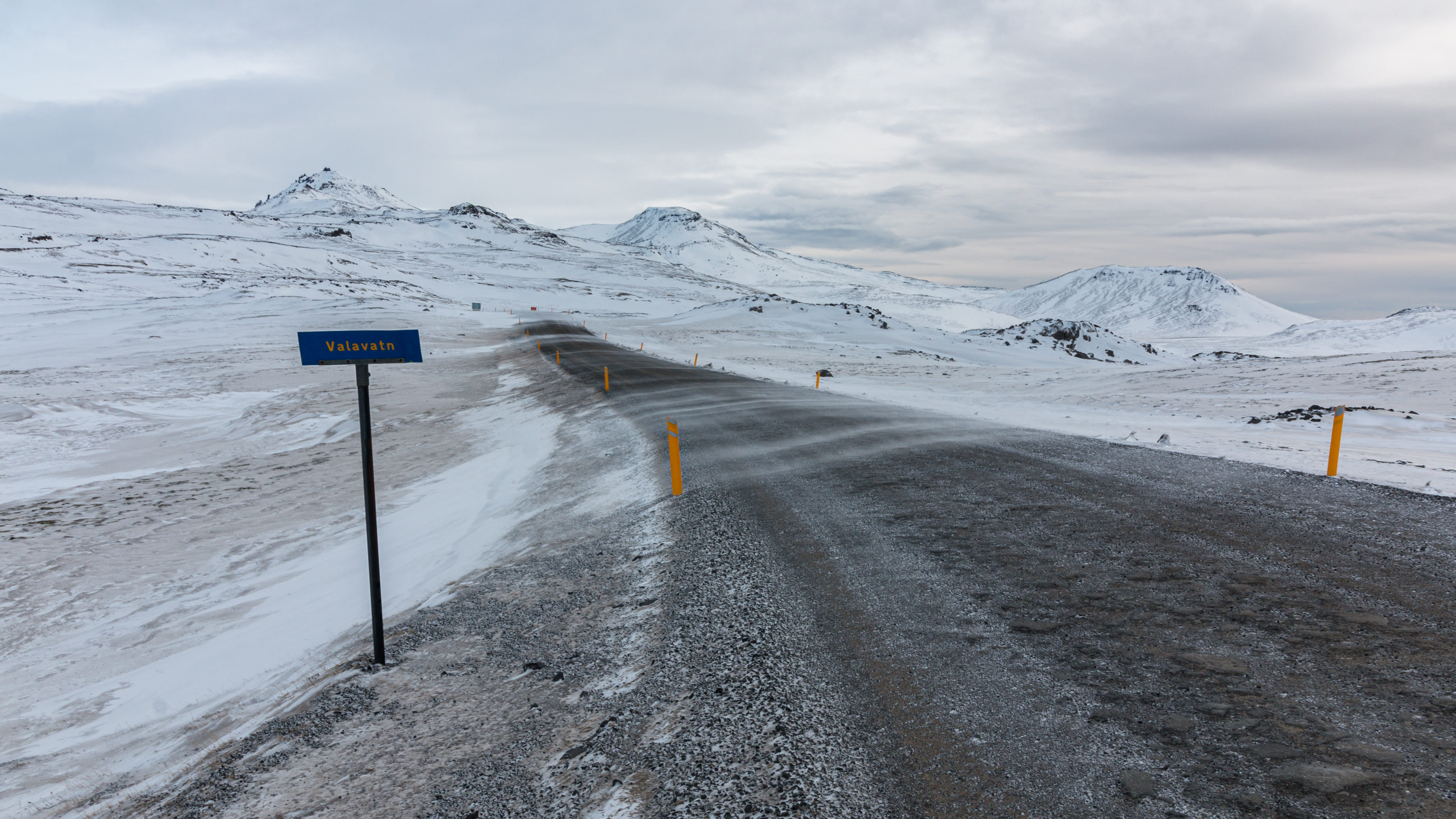
Winter stretches from November through February. This is when Iceland transforms into something truly magical. Daylight shrinks to 4–7 hours, depending on the month, but the Northern Lights reach their peak visibility. Ice caves inside glaciers become accessible. These are experiences that simply do not exist in other seasons. Snow and ice cover landscapes, creating stark beauty.
Temperatures hover around -1 to 4°C on the coast, though storms can bring much colder conditions. Roads close more frequently. Some areas become inaccessible. Driving requires caution and sometimes 4x4 vehicles with studded tires. This is not the season for casual road trips, but for those who come prepared, winter Iceland is magical and unforgettable. Crowds are at their lowest, and the country feels different: more intimate, more challenging, more rewarding.
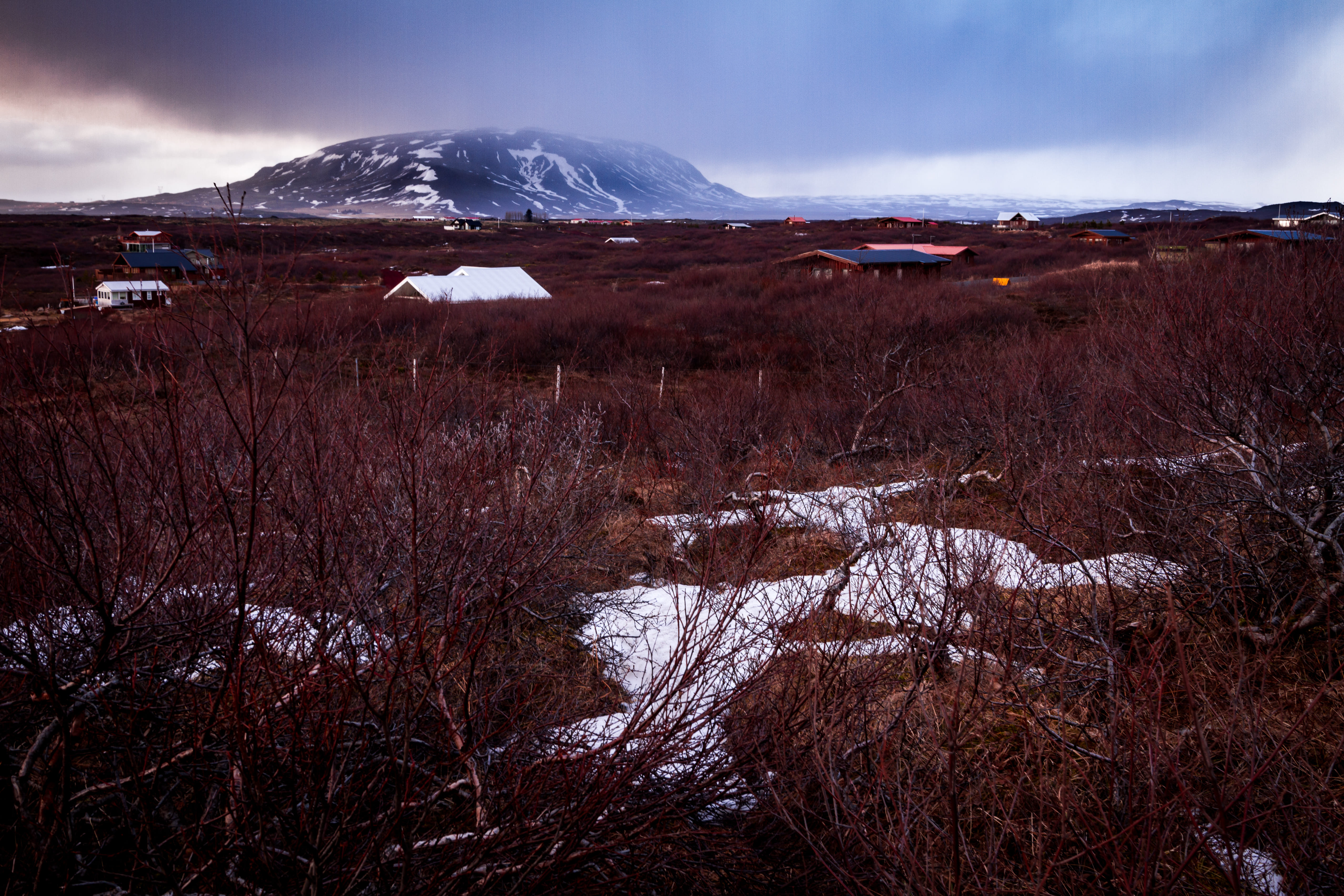
Spring runs from March through May. Days lengthen dramatically, gaining several minutes of daylight each day. March still feels like winter and offers the last chances for Northern Lights. By May, puffins are arriving, roads are opening, and the country is awakening. Weather swings unpredictably between winter and summer conditions, sometimes within the same day.
Choosing Your Season
For first-time visitors who want to see as much as possible with the least friction, June through August works best. Everything is open, weather is as mild as Iceland gets, and long days maximize your time.
If Northern Lights are your priority, September or February–March balance darkness with reasonable conditions. December and January offer the longest nights, but weather can be harsh.
Budget travelers do best in November through April (excluding Christmas and Easter), when prices drop and competition for accommodations eases. January is particularly quiet.
Adventure seekers face a choice: summer for hiking and the highlands, or winter for ice caves and the stark beauty of snow-covered landscapes. Photography works well in autumn and late winter, when dramatic light and fewer crowds combine.
Whale watching peaks in summer, particularly June through August. Puffins nest from mid-April through mid-August. Glacier hiking operates year-round with guided tours.
The quietest month is January: post-holiday, deep in winter, with few tourists. The busiest is July: midsummer, warmest weather, everything open. Neither is inherently better; they’re simply different experiences of the same remarkable place.
Contact us to plan your trip around the conditions that matter most to you.