At a glance: Eating out is expensive. Casual meals run ISK 2,500 to 4,000, nice dinners ISK 5,000 to 8,000. Book fine dining restaurants like Dill and Friðheimar well in advance. Tipping is not expected in Iceland.
Icelandic cuisine began as survival food. Fermentation, drying, and smoking were necessities in a harsh climate with short growing seasons. What emerged from these constraints has become a source of national pride. Today’s Iceland offers everything from challenging traditional dishes to world-class fine dining, with a New Nordic movement that has transformed Reykjavik into a genuine food destination.
Harðfiskur, wind-dried fish served with butter, is surprisingly approachable. The chewy texture and mild fish flavor has sustained Icelanders for centuries, and most visitors genuinely enjoy it. Pylsur, the Icelandic hot dog, has become beloved street food. The lamb-based sausage tastes different from hot dogs elsewhere. Order “one with everything” at the iconic Bæjarins Beztu stand in downtown Reykjavik for mustard, ketchup, raw and fried onions, and remoulade. The stand has served celebrities and presidents.
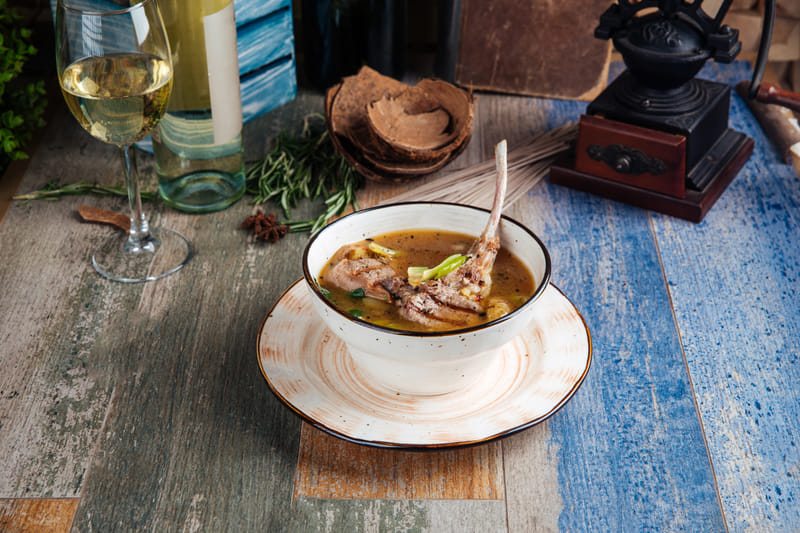
Kjötsúpa, lamb soup, is comfort food at its finest: lamb, potatoes, carrots, rutabaga, and herbs simmered together into something that tastes especially good on cold, rainy days. Hangikjöt, smoked lamb prepared over birch wood or dried sheep dung, has a distinctive rich flavor. It’s essential at Christmas but available year-round, sliced thin on bread or as a main course. Rúgbrauð, dense dark rye bread, is traditionally baked underground using geothermal heat. Visit Fontana at Laugarvatn to watch bread excavated from the hot ground.
Skyr is technically a cheese but eaten like thick, creamy yogurt. High in protein and low in fat, this breakfast staple appears in everything from smoothies to cheesecakes. It tastes best fresh in Iceland.
Then there’s the challenging stuff. Hákarl, fermented shark, is Iceland’s most notorious dish. Greenland shark is buried and fermented for months, then hung to dry. The powerful ammonia smell and acquired taste mean most visitors try a small piece once, wash it down quickly, and consider the experience complete. Chase it with Brennivín, the caraway-flavored schnapps nicknamed “Black Death.” Svið, singed sheep’s head, is exactly what it sounds like and still appears at the midwinter Þorrablót festival. Slátur, blood pudding similar to Scottish haggis, comes in two varieties and can be found in grocery stores for the curious.
Modern Icelandic Cuisine
Iceland has embraced the New Nordic movement with enthusiasm. Local and seasonal ingredients, traditional techniques with modern presentation, sustainability and foraging. These principles have transformed how ambitious restaurants approach Icelandic food.
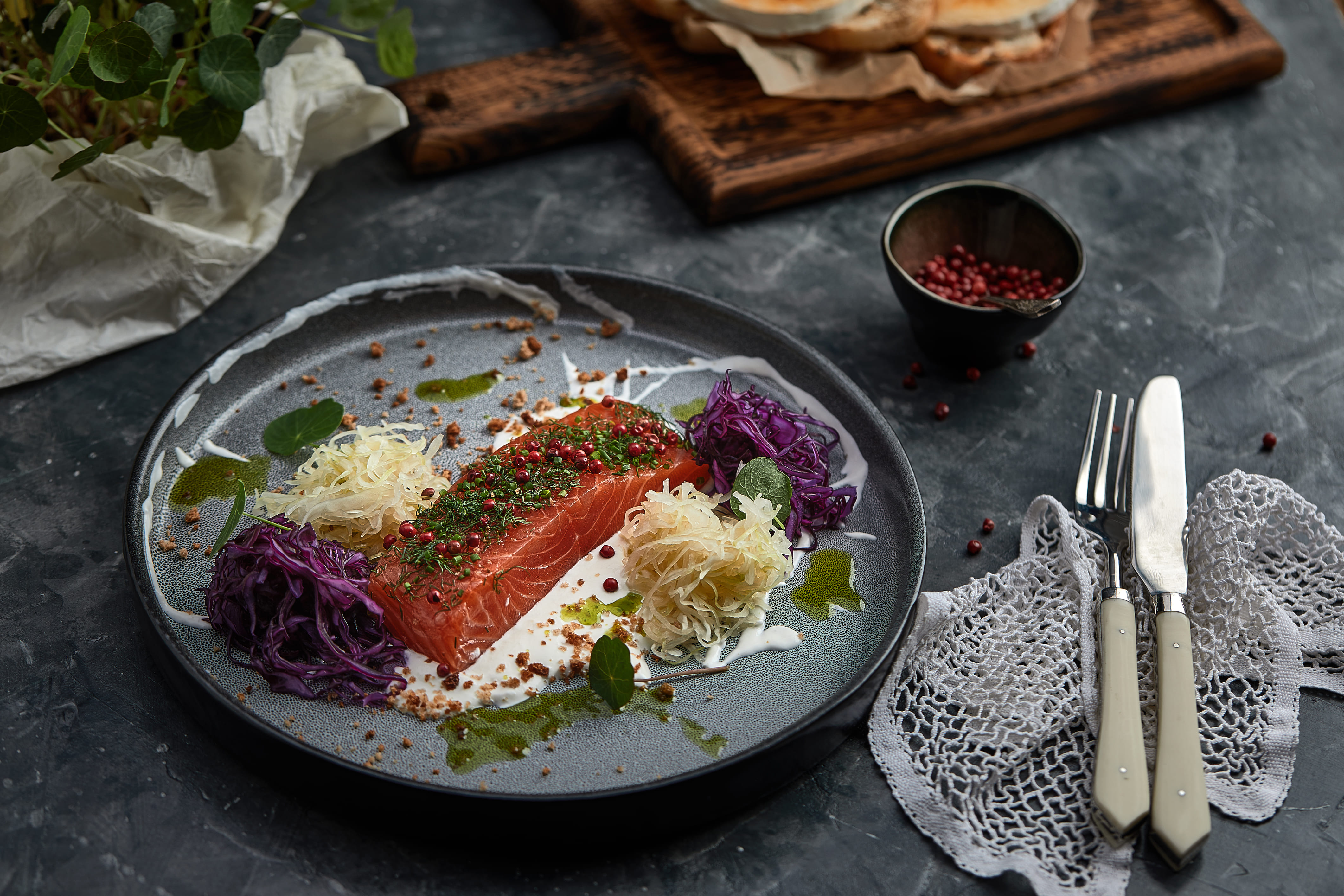
Dill holds Iceland’s first Michelin star, offering a stunning tasting menu that showcases Icelandic ingredients at their finest. Grillið provides harbor views alongside excellent seafood and lamb. Matur og Drykkur reimagines traditional dishes using modern techniques. ÓX offers intimate 11-seat counter dining for something truly unique.
Seafood dominates menus for good reason. With over 5,000 km of coastline, Iceland excels at preparing what comes from the sea. Fish and chips, while not traditional, is done well here. Try Icelandic Fish & Chips or Fish Company for elevated versions. Arctic char, a delicate freshwater fish more subtle than salmon, is often served pan-fried or smoked. Langoustine, sweet and delicious (often called “lobster” on menus though technically it is not), reaches its peak in Höfn on the south coast, where restaurants specialize in preparing it every possible way.
Icelandic lamb deserves its reputation. The sheep roam free-range in mountain pastures during summer, grazing on wild herbs and grasses. This produces exceptionally rich, flavorful meat that’s essentially organic by nature. You’ll find it as soup, leg of lamb, shanks, and in creative modern preparations.
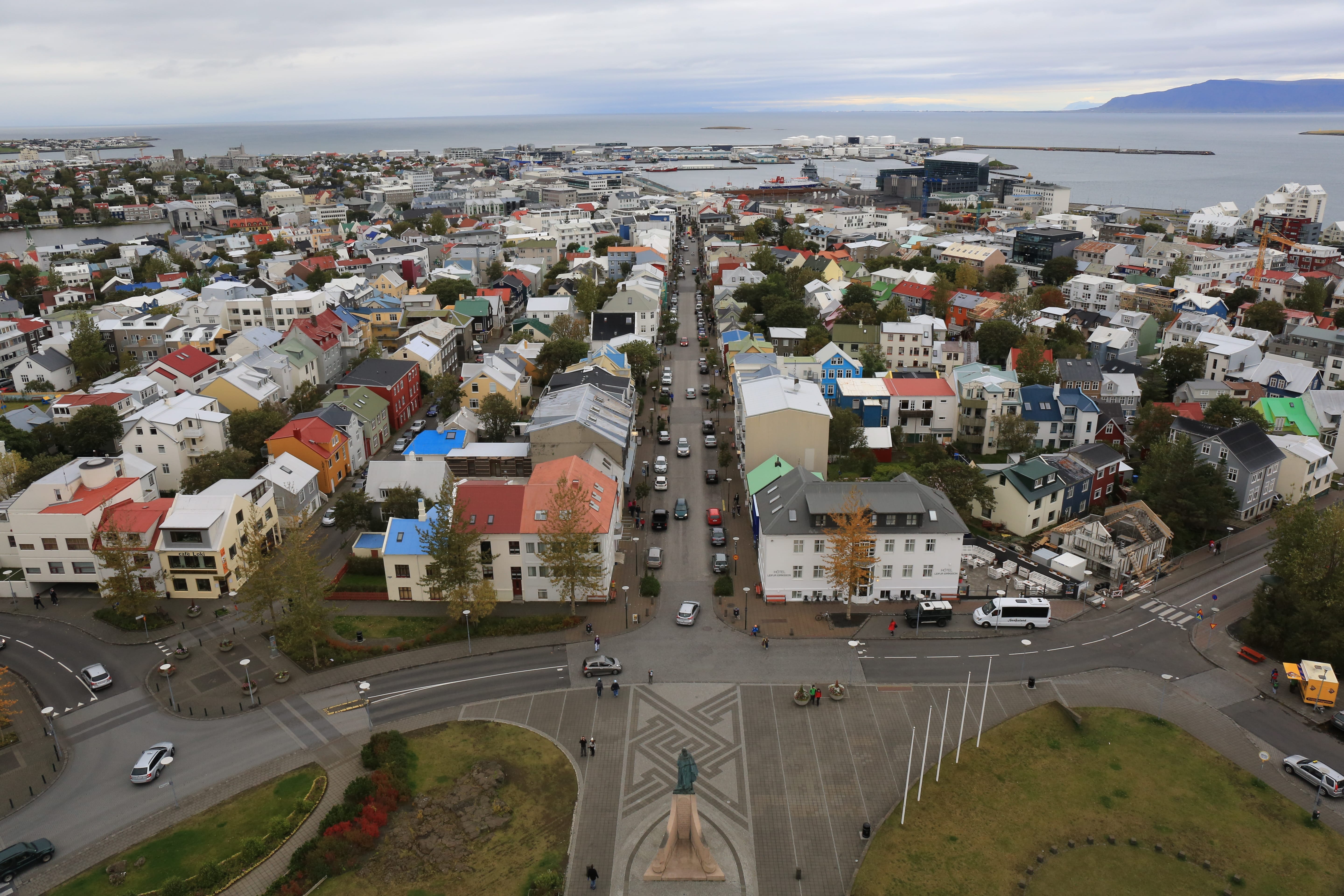
In Reykjavik, beyond the fine dining mentioned, Snaps delivers excellent bistro food. Messinn specializes in fresh seafood. Rok offers Nordic tapas. Forréttabarinn is a local favorite often overlooked by tourists. The food halls Hlemmur Mathöll and Grandi Mathöll provide multiple options under one roof. Café Loki near Hallgrímskirkja serves traditional foods alongside excellent views.
Outside the capital, Pakkhús in Höfn is the place for langoustine. Rub23 in Akureyri serves excellent sushi and grilled dishes. Vogafjós at Mývatn lets you dine in a working cow barn with fresh dairy products. Along the Golden Circle, Friðheimar’s greenhouse restaurant serves unlimited tomato soup among growing plants (the tomatoes, beer, and desserts all tomato-based) while Efstidalur offers farm-to-table dairy dining with ice cream made on site.
Friðheimar deserves special mention. The experience of dining surrounded by tomato plants, enjoying soup with fresh-baked bread, demonstrates how Iceland uses geothermal energy to grow produce despite the latitude. Fontana’s geothermal bakery at Laugarvatn is similarly memorable. Simple bread and smoked trout, but the context makes it notable.
Food tours in Reykjavik introduce local specialties in small portions, letting you taste widely without committing to full meals. Cooking classes and brewery tours offer deeper culinary immersion.
Eating out is expensive by most standards. Saving money is possible:
- Eat your main meal at lunch when prices are often better
- Shop at Bónus, Krónan, or Nettó supermarkets
- Pack sandwiches for day trips
- Do not underestimate hot dogs (cheap, filling, and genuinely good)
- Use kitchen facilities in accommodations
Vegetarian options are growing but remain limited at traditional restaurants where fish and lamb dominate. Inform restaurants of allergies in advance. Gluten-free options are increasingly available. Vegan offerings continue to expand in Reykjavik, though rural areas remain challenging.
Tipping is not expected or customary. Service charges are included in menu prices. For popular restaurants, book ahead. Reserve Dill weeks in advance. Book Friðheimar before your trip.
Contact us to plan your culinary journey through Iceland.